PFC Podcast: Silent Brain Killer - SpO2 Goals, Airway Triggers & Saving Lives When Oxygen Is Scarce

PFC Podcast: Silent Brain Killer - SpO2 Goals, Airway Triggers & Saving Lives When Oxygen Is Scarce

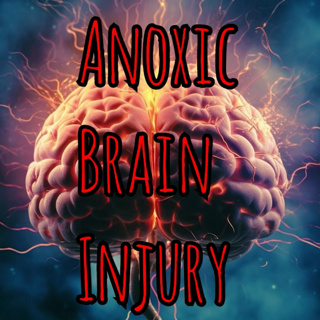
In this episode of the Prolonged Field Care Podcast, Dennis sits down with Jeff to tackle one of the most time-sensitive and under-appreciated threats in tactical and austere medicine: anoxic brain injury. They break down exactly what it is, how fast it can progress from unnoticed hypoxia to devastating outcomes, and why the MARCH algorithm plus aggressive prevention of secondary injury are your most powerful tools when oxygen and resources are limited.

Key Takeaways:

  • Anoxic brain injury exists on a spectrum — brief drops in SpO2 can cause real damage, and recovery (when it happens) can take days, weeks, months, or even years of rehab.
  • The landmark Arizona pre-post TBI study showed hypoxia and hypotension each increase mortality 2–3×; combined they increase it 5–6×. Updated analysis reveals harm begins at SpO2 <96–97%. In the field resuscitation phase, the goal is 100% whenever possible.
  • Prevention starts with MARCH: control hemorrhage first (no blood = no oxygen delivery), then airway and breathing. Give whatever oxygen you have — even 1 L/min is better than nothing. Keep patients warm to avoid coagulopathy.
  • Airway escalation trigger: consistent SpO2 <94% despite maximal non-invasive oxygen → move to supraglottic or definitive airway based on your proficiency, scenario, and time to definitive care. In tactical environments, the fastest reliable airway often beats the “gold standard.”
  • Once anoxic injury is suspected, focus shifts entirely to preventing secondary and tertiary brain injury: avoid re-hypoxia, hypotension, hyperthermia, hypoglycemia, pain/agitation (which raises ICP and oxygen demand), and seizures.
  • Resuscitation targets: SBP 120–140 mmHg (or MAP 65–85) — avoid the U-shaped mortality curve on both ends. ETCO2/PaCO2 35–45 mmHg. Normoglycemia and normothermia (avoid fever). Consider higher sodium for cerebral edema under neurocritical care guidance.
  • Basics win: Even non-medics can save brains by controlling bleeding, positioning airways, and keeping patients warm. Time will tell on recovery — keep working at it.

Whether you’re a combat medic, flight medic, wilderness provider, or anyone operating in resource-limited environments, this episode delivers practical, evidence-based strategies to protect the brain when every molecule of oxygen counts.

Check out free resources and downloads at www.prolongedfieldcare.org. Grab a bag of fresh-roasted PFC coffee (link in the description) and stay on the bleeding edge of combat and austere medicine.

Podcast Chapters (approximate timestamps)

  • 00:00 — Introduction & What Is Anoxic Brain Injury?
  • 03:15 — The Spectrum of Anoxic Injury & Recovery Potential
  • 07:00 — Prevention: MARCH Algorithm & Limited Resource Strategies
  • 11:45 — The Arizona TBI Study: Why Hypoxia & Hypotension Are So Deadly
  • 16:30 — SpO2 Targets: 100% Goal & When Harm Really Begins
  • 21:00 — Airway Decision-Making: Triggers, Escalation & Skill-Based Choices
  • 26:30 — When Anoxia Has Occurred: Shifting to Secondary Injury Prevention
  • 31:15 — Resuscitation Targets: BP, MAP, ETCO2 & Avoiding the U-Shaped Curve
  • 35:45 — Neuroprotection Extras: Pain, Agitation, Seizures, Glucose & Temperature
  • 40:00 — Key Takeaways: Basics Save Brains (Even for Non-Medics)


For more content, go to ⁠⁠⁠⁠⁠⁠⁠⁠⁠⁠⁠⁠⁠⁠⁠⁠⁠⁠⁠⁠⁠⁠⁠⁠⁠⁠⁠⁠⁠⁠⁠⁠⁠⁠⁠⁠⁠⁠⁠⁠⁠⁠⁠⁠⁠⁠⁠⁠⁠⁠⁠⁠⁠⁠⁠⁠⁠⁠⁠⁠⁠⁠⁠⁠⁠⁠⁠⁠⁠⁠⁠⁠www.prolongedfieldcare.org⁠⁠⁠⁠⁠⁠⁠⁠⁠⁠⁠⁠⁠⁠⁠⁠⁠⁠⁠⁠⁠⁠⁠⁠⁠⁠⁠⁠⁠⁠⁠⁠⁠⁠⁠⁠⁠⁠⁠⁠⁠⁠⁠⁠⁠⁠⁠⁠⁠⁠⁠⁠⁠⁠⁠⁠⁠⁠⁠⁠⁠⁠⁠⁠⁠⁠⁠⁠⁠⁠⁠⁠⁠


Consider supporting us: ⁠⁠⁠⁠⁠⁠⁠⁠⁠⁠⁠⁠⁠⁠⁠⁠⁠⁠⁠⁠⁠⁠⁠⁠⁠⁠⁠⁠⁠⁠⁠⁠⁠⁠⁠⁠⁠⁠⁠⁠⁠⁠⁠⁠⁠⁠⁠⁠⁠⁠⁠⁠⁠⁠⁠⁠⁠⁠⁠⁠⁠⁠⁠⁠⁠⁠⁠⁠⁠⁠⁠⁠⁠patreon.com/ProlongedFieldCareCollective⁠⁠⁠⁠⁠⁠⁠⁠⁠⁠⁠⁠⁠⁠⁠⁠⁠⁠⁠⁠⁠⁠⁠⁠⁠⁠⁠⁠⁠⁠⁠⁠⁠⁠⁠⁠⁠⁠⁠⁠⁠⁠⁠⁠⁠⁠⁠⁠⁠⁠⁠⁠⁠⁠⁠⁠⁠⁠⁠⁠⁠ or ⁠⁠⁠⁠⁠⁠⁠⁠⁠⁠⁠⁠⁠⁠⁠⁠⁠⁠⁠⁠⁠⁠⁠⁠⁠⁠⁠⁠⁠⁠⁠⁠⁠⁠⁠⁠⁠⁠⁠⁠⁠⁠⁠⁠⁠⁠⁠⁠⁠⁠⁠⁠⁠⁠⁠⁠⁠⁠⁠⁠⁠www.lobocoffeeco.com/product-page/prolonged-field-care⁠

Denne episoden er hentet fra en åpen RSS-feed og er ikke publisert av Podme. Den kan derfor inneholde annonser.

Episoder(624)

294 - Do Antibiotics Really Reduce Mortality in Trauma? Wound Care First in Prolonged Field Care

294 - Do Antibiotics Really Reduce Mortality in Trauma? Wound Care First in Prolonged Field Care

Antibiotics are not magic. In this episode of the PFC Podcast, Dennis sits down with Ryan to cut through the common myth that “I’ve given antibiotics, so the wound is protected.” They unpack why vigor...

31 Aug 36min
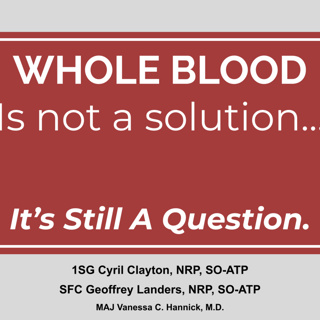
SOMA 26' - Fresh Whole Blood is Not The Answer: It's Still a Question

SOMA 26' - Fresh Whole Blood is Not The Answer: It's Still a Question

Whole Blood Is Not a Solution (Until Conventional Forces Can Deliver It)Recorded live at SOMA 26Dr. Vanessa Hanick (emergency physician, former active-duty Army, now National Guard) and 1SG Cy Clayton...

27 Aug 28min
293 - Dead Tissue Kills in Prolonged Field Care: 4 C’s, Early Debridement & Delayed Primary Closure Lessons from the Field

293 - Dead Tissue Kills in Prolonged Field Care: 4 C’s, Early Debridement & Delayed Primary Closure Lessons from the Field

In this episode of the PFC Podcast, Dennis sits down with missionary surgeon Jason to cut through the noise on real-world wound care in austere and unconventional warfare environments. From the bridge...

24 Aug 49min
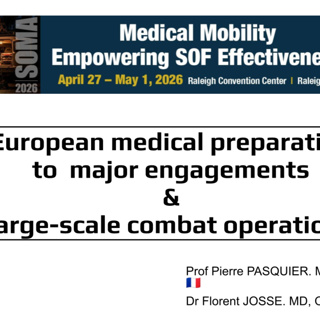
SOMA 26' - European Medical Preparations for Major Engagements and Large-Scale Combat Operations

SOMA 26' - European Medical Preparations for Major Engagements and Large-Scale Combat Operations

Recorded live at SOMA 26Pierre Pasquier (France) and his German counterpart deliver a clear-eyed assessment of how European military medical systems are preparing for large-scale combat operations and...

20 Aug 31min
292-Building Mobile Surgical Capability in Denied Environments

292-Building Mobile Surgical Capability in Denied Environments

In this episode of the Prolonged Field Care Podcast, Dennis sits down with Mitch (U.S. family practice/ER physician) and Augustine (frontline surgeon with five years of experience) to unpack what it a...

17 Aug 41min
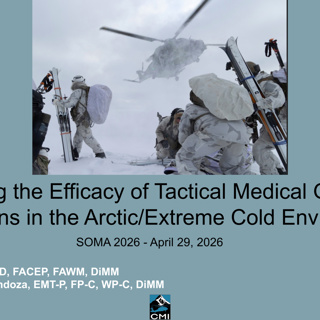
SOMA 26 - Optimizing the Efficacy of Commonly Used Tactical Medical Gear and Medications In The Arctic Extreme Cold Operational Environment

SOMA 26 - Optimizing the Efficacy of Commonly Used Tactical Medical Gear and Medications In The Arctic Extreme Cold Operational Environment

Recorded live at SOMA 26Dr. Emily Johnston (Cascadia Mountain Institute) and SFC Ezequiel Mendoza (Arctic Dustoff, Fairbanks) deliver a hard-hitting, field-validated look at how standard tactical medi...

13 Aug 29min
291 - Pediatric Burns In Prolonged Field Care Assessment, Resuscitation & Airway Management

291 - Pediatric Burns In Prolonged Field Care Assessment, Resuscitation & Airway Management

In this essential episode of the Prolonged Field Care Podcast, Dennis sits down with pediatric intensivist Dr. Sara Bibbens to tackle one of the most challenging and anxiety-inducing scenarios in aust...

10 Aug 30min
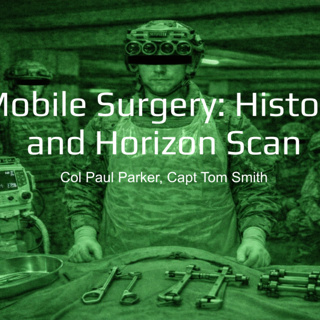
SOMA 26 - A History of Mobile Surgical Teams Role 1-3 and Horizon Scan

SOMA 26 - A History of Mobile Surgical Teams Role 1-3 and Horizon Scan

In this presentation, we take a deep dive into the 300-year history of mobile surgery supporting land campaigns — from Dominique Larrey’s ambulance volantes through the Letterman system, Arnhem, the F...

6 Aug 28min

Populært innen Fakta

fastlegen
dine-penger-pengeradet
relasjonspodden-med-dora-thorhallsdottir-kjersti-idem
jakt-og-fiskepodden
treningspodden
foreldreradet
rss-orjasater
tomprat-med-gunnar-tjomlid
rss-strid-de-norske-borgerkrigene
sinnsyn
hverdagspsyken
rss-var-forste-kaffe
rss-kunsten-a-leve
gravid-uke-for-uke
mikkels-paskenotter
hr-podden-2
fryktlos
rss-impressions-2
ukast
rss-sparepodden