Copland Symphony No. 3

Copland Symphony No. 3

There has always been a debate about "The Great American Symphony." By the time most prominent American composers got around to writing large scale symphonic works, the symphony had very nearly gone out of fashion. To many musicians and thinkers, the symphony had passed on with the death of Mahler. With the advent of atonality, which essentially destroyed the developmental structure that symphonies rested on, there seemed to be nowhere for the symphonic genre to go. The traditional udnerstanding is that composers like Shostakovich, Prokofiev, and Sibelius, among others, picked the symphony back up from its deathbed and resurrected it. But there was a generation of American composers also writing symphonies around this time, and many of them have never quite gotten the consideration they deserve. Ives wrote 4 brilliant symphonies, Bernstein wrote 3 ambitious symphonies, there are the symphonies by the first generation of Black American composers, namely William Dawson's Negro Folk Symphony, and then there are much less known symphonies by composers like Roy Harris, which were huge successes at the time of their premiers, but which have faded into obscurity. Despite many strong efforts, very few American symphonies have made their way into the standard "canon." That is, except for one: Copland's 3rd Symphony, which is almost certainly the most played American symphony. It was written as World War II was coming to an end, and it is one of Copland's most ardent and life-affirming works. Naturally, connections were made to the Allied triumph in World War II, but Copland insisted that the symphony wasn't a reflection of the era, writing: "if I forced myself, I could invent an ideological basis for the Third Symphony. But if I did, I'd be bluffing—or at any rate, adding something ex post facto, something that might or might not be true but that played no role at the moment of creation."

Whatever the inspiration, this symphony has become one of Copland's most enduring works, even though it is also in many ways one of his most complex. It is a massive work, nearly 40 minutes in length, and it requires a huge and virtuosic orchestra. It also features some of Copland's most recognizable tunes, including of course, the Fanfare for the Common Man, which permeates the symphony and is in many ways its central theme. So today, on this Patreon Sponsored episode, we'll dig deep into this symphony, mapping out its unusual form, and savoring the energy, optimism, and creativity with which Copland attacked the well-worn genre of the symphony. Join us!

Episoder(284)

Mahler Symphony No. 4, Part 1

Mahler Symphony No. 4, Part 1

After the truly heavenly slow movement of Mahler's 4th symphony, a soprano emerges and sings a song literally called "The Heavenly Life." It is a symphonic ending like no other, one that leaves the li...

14 Sep 202351min
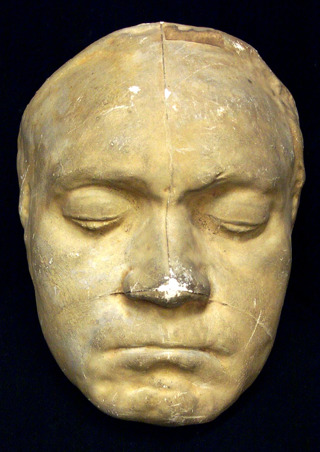
Beethoven String Quartet, Op. 132, Part 2

Beethoven String Quartet, Op. 132, Part 2

If you joined me last week, you heard about the severe intestinal illness that Beethoven suffered from during the year of 1825. Beethoven thought that he was near death; he was spitting up blood, in ...

8 Sep 202344min
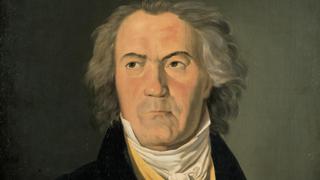
Beethoven String Quartet, Op. 132, Part 1

Beethoven String Quartet, Op. 132, Part 1

I had long hesitated to write a show about any of Beethoven's late string quartets. These are pieces that professional quartets spend the better part of their careers grappling with, struggling with,...

31 Aug 202345min

Nielsen Symphony No. 4, "Inextinguishable"

Nielsen Symphony No. 4, "Inextinguishable"

At the top of the score for the Danish composer Carl Nielsen's 4th symphony, he wrote: "Music is life, and like it, inextinguishable." This could easily be the shortest podcast I've ever done. I could...

24 Aug 202359min
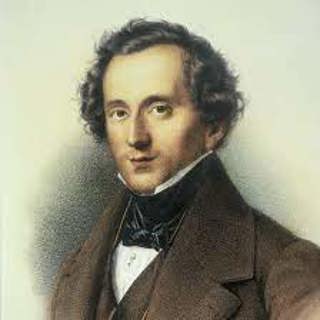
Mendelssohn: A Midsummer Night's Dream

Mendelssohn: A Midsummer Night's Dream

The stories, legends, and myths about the trials and travails of composers lives are legion, like Beethoven's battles against fate, Mozart and Schubert's struggles with finances, Brahms' failures with...

17 Aug 202352min
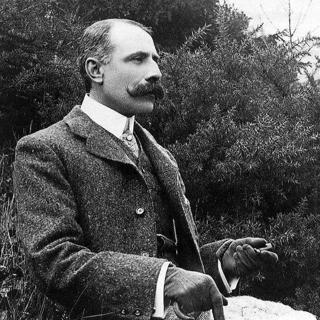
Elgar Cello Concerto

Elgar Cello Concerto

Elgar's Cello Concerto was composed in the shadow of World War 1. It was a piece that marked a profound shift in Elgar's outlook on life and music, and was his last major work before a long silence ca...

10 Aug 202352min
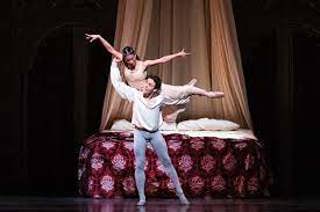
Romeo and Juliet in Classical Music

Romeo and Juliet in Classical Music

The "love theme" from Tchaikovsky's Romeo and Juliet Fantasy-Overture is one of the most famous themes in the history of Western Classical Music. The story it accompanies might be the most famous Wes...

3 Aug 202349min
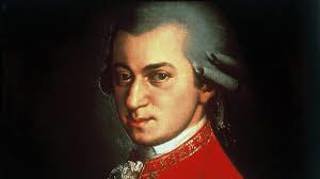
Mozart Symphony No. 38, "Prague"

Mozart Symphony No. 38, "Prague"

Very few cities have had a relationship with a single person, especially a foreigner, like the city of Prague and its love affair with Mozart. Here's what Lorenzo Da Ponte, Mozart's librettist for som...

27 Jul 202353min

Populært innen Underholdning

papaya
harm-og-hegseth
enkel-servering
storefri-med-mikkel-og-herman
tore-og-haralds-podkast
tusvik-tnne
big-5-med-nils-og-harald-2
konspirasjonspodden
topp-3-med-wold-og-fladseth
ma-pa-behandling-med-morten-ramm
hovla
folk-flest-med-linn-og-nils
kjendiscrush-med-sofie-karlstad
nare-venner
vitnemal
gi-meg-alle-detaljene
rss-gammal-maiden
feedback-med-egon-holstad
christine-dancke
singel