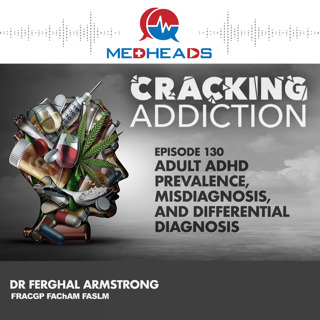
Adult ADHD: Prevalence, Misdiagnosis, and Differential Diagnosis

Adult ADHD: Prevalence, Misdiagnosis, and Differential Diagnosis

Dr. Ferghal Armstrong and Dr. Manu Bhatnagar delve into the complex and often misunderstood topic of adult ADHD. They discuss the prevalence of ADHD in adults, the potential role of environmental factors in its development, and the challenges in diagnosing and treating this condition in adulthood. Listeners will gain valuable insights into the differential diagnosis of ADHD, the potential impact of trauma and substance use on inattention, and the nuances of medication management for individuals with ADHD.

Keywords: Adult ADHD, diagnosis, differential diagnosis, trauma, substance use, medication management.


Learning outcomes:


1. Understanding the prevalence and presentation of adult ADHD: The episode sheds light on the prevalence of adult ADHD and how the symptoms may manifest differently in adults compared to children. Listeners will learn about the challenges in accurately diagnosing adult ADHD and the potential impact of environmental factors on its development.


2. Exploring differential diagnoses: The speakers discuss the importance of exploring differential diagnoses for acquired inattention syndrome, including substance use, PTSD, and borderline personality disorder. Listeners will gain insights into how these conditions may present similarly to ADHD but require distinct diagnostic and treatment approaches.


3. Examining the impact of trauma and substance use: The episode addresses the role of trauma and substance use in exacerbating inattention and emotional dysregulation. Listeners will understand the complex interplay between trauma, substance use, and the development of inattention symptoms, particularly in the context of ADHD.


4. Navigating medication management for ADHD: The speakers provide valuable insights into the complexities of medication management for individuals with ADHD, including potential comorbidities such as substance use disorders. Listeners will learn about the need for comprehensive treatment approaches that go beyond pharmacotherapy to address the functional impairments associated with ADHD.


Actionable takeaways:


1. Conduct a thorough differential diagnosis: When evaluating patients for suspected adult ADHD, consider a comprehensive differential diagnosis that encompasses trauma, substance use, and other mental health conditions that may present similarly to ADHD. This approach can ensure accurate diagnosis and tailored treatment plans.


2. Consider the impact of trauma and substance use: Take into account the potential impact of trauma and substance use on inattention and emotional dysregulation when assessing individuals for ADHD. By addressing underlying trauma and substance use issues, healthcare providers can better support individuals with ADHD.


3. Incorporate non-pharmacological interventions: Recognize the importance of incorporating non-pharmacological interventions, such as ADHD coaching and psychosocial support, alongside medication management for individuals with ADHD. This comprehensive approach can address the long-term functional impairments associated with the condition.


4. Advocate for comprehensive care: Encourage a multidisciplinary approach to the management of adult ADHD, involving collaboration between mental health professionals, addiction specialists, and primary care providers. By advocating for comprehensive care, healthcare providers can address the diverse needs of individuals with ADHD.


Insight: "All roads lead to Rome. So really, the inattentive prefrontal cortex is the final common pathway of the vast majority of mental health disorders, including substance use disorders." - Dr. Ferghal Armstrong


Hashtags: #ADHD #AdultADHD #MentalHealth #SubstanceUse #Trauma #Diagnosis #DifferentialDiagnosis #MedicationManagement #PsychosocialSupport #ComprehensiveCare

Denne episoden er hentet fra en åpen RSS-feed og er ikke publisert av Podme. Den kan derfor inneholde annonser.

Episoder(246)

Meth Withdrawal — Why It Takes 6 Months to Feel Normal Again

Meth Withdrawal — Why It Takes 6 Months to Feel Normal Again

Why does meth withdrawal take 6 months when alcohol withdrawal takes days?It's all about dopamine depletion and neuroplasticity 🧠Dr. Ferghal breaks down:• The 3-phase withdrawal timeline• What happen...

27 Mai 6min

Childhood Obesity: Why 30% of Kids We Help Have Food Trauma Issues

Childhood Obesity: Why 30% of Kids We Help Have Food Trauma Issues

30% of kids with excess weight that we help have trauma-based eating patterns. That's not willpower failure — that's biology. When children experience domestic violence, financial stress, or emotional...

20 Mai 16min

Binge Drinking: The Hidden Truth About Weekend Warriors

Binge Drinking: The Hidden Truth About Weekend Warriors

MYTH: You need to hit 'rock bottom' to recover from addiction. But here's what addiction specialist Dr. Ferghal Armstrong's guest Tom reveals: his worst moment wasn't losing everything – it was waking...

13 Mai 21min

Attachment Issues Cause Addiction - 4 Types That Lead to Drugs

Attachment Issues Cause Addiction - 4 Types That Lead to Drugs

Think trauma only happens from big events like car crashes? Wrong. Dr. Ferghal here with a myth-bust that'll change how you see childhood forever.The biggest trauma isn't what you think — it's relatio...

6 Mai 24min

Benzodiazepine Withdrawal Waves Explained | Ashton Protocol

Benzodiazepine Withdrawal Waves Explained | Ashton Protocol

Most people are told that benzodiazepine withdrawal should improve in a straight line. That myth keeps many people trapped in shame, fear, and confusion when symptoms come back in waves. But brain rec...

23 Apr 7min

Quit Smoking: 30% Better Recovery from Drug Addiction

Quit Smoking: 30% Better Recovery from Drug Addiction

Dopamine pathways and addiction recovery: Why smoking during addiction treatment reduces your chances of lasting sobriety by 30%🚬 THE MYTH WE'VE ALL BELIEVEDFor decades, addiction treatment centres h...

15 Apr 3min

3 Evidence-Based Recovery Models That Actually Work

3 Evidence-Based Recovery Models That Actually Work

Recovery paths aren't one-size-fits-all. Dr. Fergal Armstrong explains why neuroplasticity supports multiple evidence-based approaches to addiction recovery.**THE MYTH: One "Right" Way to Recover**Soc...

8 Apr 7min

The Neuroscience of Cravings and Brain Recovery

The Neuroscience of Cravings and Brain Recovery

Addiction neuroscience explains why cravings feel urgent, physical, and overpowering—and why that does not mean recovery is impossible.Many people still believe cravings happen because of weak willpow...

3 Apr 5min

Populært innen Helse

fastlegen
rss-gukild-johaug
psykodrama
hvordan-har-du-det-mann
lydartikler-fra-aftenposten
leger-om-livet
relasjonspodden-med-dora-thorhallsdottir-kjersti-idem
foreldreradet
rss-garne-damer
bak-fasaden-en-reise-i-livet-med-sykepleier-ine
rss-skravla-gar
morten-ramm-lar-kakla-ga-til-du-sovner
klimaks
rss-lopedrommen
hjernesterk
g-punktet
sinnsyn
rss-kunsten-a-leve
hverdagspsyken
helsetipspodden