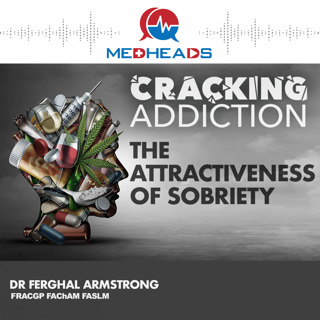
The Attractiveness of Sobriety

The Attractiveness of Sobriety

Recovery isn’t just about stopping substance use; it’s about transforming your life. This episode covers key points like the idea of “white knuckling” versus a more holistic approach to sobriety, and how hitting rock bottom can be a powerful catalyst for change. Jesse, a former addict turned lived experience peer worker, shares his own journey, revealing how finding your authentic self can turn recovery into an exciting, fulfilling process.

**Learning Outcomes:**


1. **Understanding the True Nature of Recovery:** It’s crucial to understand that recovery is far more than just abstaining from harmful substances. Jesse highlights that true recovery is about discovering and connecting with your authentic self. This shift in perspective can turn what seems like a daunting process into an attractive and fulfilling journey. By acknowledging that recovery involves reconnecting with your real self, you can focus on the long-term benefits rather than short-term sacrifices.


2. **Recovery vs. White Knuckling:** Jesse discusses the exhausting and often unsuccessful method known as "white knuckling"—relying solely on willpower to refrain from substance use. He outlines how this is not sustainable for those deeply entrenched in addiction. Instead, a structured recovery programme alongside community support can offer a more sustainable and fulfilling path to sobriety. Recognising this can help you align your recovery efforts more effectively and avoid the burnout associated with sheer willpower.


3. **The Role of Hitting Rock Bottom:** Ferghal and Jesse delve into the importance of hitting rock bottom as a catalyst for embracing recovery. Jesse explains how the sheer misery of his lowest point opened his eyes to the necessity of change. This realisation can act as a turning point, making the attractions of a clean, healthy life more apparent. This insight can be both a wake-up call and a motivator for those reluctant to embark on their recovery journey.


4. **The Concept of Self Care in Recovery:** One of the standout themes is the idea that recovery demands rigorous self-care. Jesse’s tale of prioritising diet, exercise, and mental wellness paints a vivid picture of how taking care of oneself daily is not a luxury but a necessity. This actionable takeaway can help you build a solid foundation for long-term sobriety by instilling habits that support both your physical and emotional well-being.


**Actionable Takeaways:**


1. **Engage with Recovery Communities:** Jesse highlights how seeing others with qualities he admired—patience, calmness, wisdom—made recovery appealing for him. This underscores the importance of surrounding yourself with supportive individuals who inspire you. Seek out local or online recovery support groups; these communities can be invaluable in offering the encouragement and motivation you need to stay on track.


2. **Explore New Hobbies and Interests:** Breaking free from the cycle of addiction often requires filling your life with new, healthy activities. Jesse mentions trying ultra running, hiking, and even yoga retreats to fulfil his need for excitement. Make a list of activities you’ve always wanted to try and commit to exploring at least one new interest a month. This approach not only keeps you engaged but also helps in building a new identity beyond addiction.


3. **Prioritise Self-care:** A recurring theme in this episode is the crucial role of self-care in recovery. Jesse’s disciplined routine, including meditation, yoga, and maintaining a balanced lifestyle, serves as a powerful model. Develop a daily self-care regimen that includes physical, mental, and emotional health practices. Prioritising self-care helps prevent relapse and promotes overall well-being.


4. **Shift Your Perspective on Fun:** One of the most profound insights Jesse shares is how his...

Denne episoden er hentet fra en åpen RSS-feed og er ikke publisert av Podme. Den kan derfor inneholde annonser.

Episoder(246)

Meth Withdrawal — Why It Takes 6 Months to Feel Normal Again

Meth Withdrawal — Why It Takes 6 Months to Feel Normal Again

Why does meth withdrawal take 6 months when alcohol withdrawal takes days?It's all about dopamine depletion and neuroplasticity 🧠Dr. Ferghal breaks down:• The 3-phase withdrawal timeline• What happen...

27 Mai 6min

Childhood Obesity: Why 30% of Kids We Help Have Food Trauma Issues

Childhood Obesity: Why 30% of Kids We Help Have Food Trauma Issues

30% of kids with excess weight that we help have trauma-based eating patterns. That's not willpower failure — that's biology. When children experience domestic violence, financial stress, or emotional...

20 Mai 16min

Binge Drinking: The Hidden Truth About Weekend Warriors

Binge Drinking: The Hidden Truth About Weekend Warriors

MYTH: You need to hit 'rock bottom' to recover from addiction. But here's what addiction specialist Dr. Ferghal Armstrong's guest Tom reveals: his worst moment wasn't losing everything – it was waking...

13 Mai 21min

Attachment Issues Cause Addiction - 4 Types That Lead to Drugs

Attachment Issues Cause Addiction - 4 Types That Lead to Drugs

Think trauma only happens from big events like car crashes? Wrong. Dr. Ferghal here with a myth-bust that'll change how you see childhood forever.The biggest trauma isn't what you think — it's relatio...

6 Mai 24min

Benzodiazepine Withdrawal Waves Explained | Ashton Protocol

Benzodiazepine Withdrawal Waves Explained | Ashton Protocol

Most people are told that benzodiazepine withdrawal should improve in a straight line. That myth keeps many people trapped in shame, fear, and confusion when symptoms come back in waves. But brain rec...

23 Apr 7min

Quit Smoking: 30% Better Recovery from Drug Addiction

Quit Smoking: 30% Better Recovery from Drug Addiction

Dopamine pathways and addiction recovery: Why smoking during addiction treatment reduces your chances of lasting sobriety by 30%🚬 THE MYTH WE'VE ALL BELIEVEDFor decades, addiction treatment centres h...

15 Apr 3min

3 Evidence-Based Recovery Models That Actually Work

3 Evidence-Based Recovery Models That Actually Work

Recovery paths aren't one-size-fits-all. Dr. Fergal Armstrong explains why neuroplasticity supports multiple evidence-based approaches to addiction recovery.**THE MYTH: One "Right" Way to Recover**Soc...

8 Apr 7min

The Neuroscience of Cravings and Brain Recovery

The Neuroscience of Cravings and Brain Recovery

Addiction neuroscience explains why cravings feel urgent, physical, and overpowering—and why that does not mean recovery is impossible.Many people still believe cravings happen because of weak willpow...

3 Apr 5min

Populært innen Helse

fastlegen
rss-gukild-johaug
psykodrama
hvordan-har-du-det-mann
lydartikler-fra-aftenposten
leger-om-livet
relasjonspodden-med-dora-thorhallsdottir-kjersti-idem
foreldreradet
rss-garne-damer
bak-fasaden-en-reise-i-livet-med-sykepleier-ine
rss-skravla-gar
morten-ramm-lar-kakla-ga-til-du-sovner
klimaks
rss-lopedrommen
hjernesterk
g-punktet
sinnsyn
rss-kunsten-a-leve
hverdagspsyken
helsetipspodden