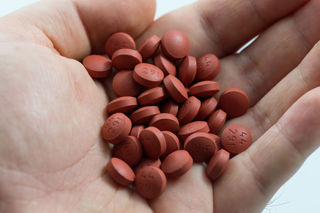

Opioid Miniseries Part III: Alternative to Opioids

Opioid Miniseries Part III: Alternative to Opioids

PRACTICE RECOMMENDATIONS

1. All emergency departments should implement ALTO programs and provide opioid-free pain treatment pathways for

the following conditions:

a. Acute on chronic opioid-tolerant radicular lower back pain

b. Opioid-naive musculoskeletal pain

c. Migraine or recurrent primary headache

d. Extremity fracture or joint dislocation

e. Gastroparesis-associated or chronic functional abdominal pain

f. Renal colic

2. Emergency departments should integrate ALTO into their computerized physician order entry systems to facilitate a seamless adoption by clinicians.

3. Low-dose, subdissociative ketamine (0.1-0.3 mg/kg) is an effective analgesic that can be opioid-sparing for many acute pain syndromes. Institutional guidelines and policies should be in place to enable clinicians and nurses who administer this agent for pain.

4. For musculoskeletal pain, consider a multimodal treatment approach using acetaminophen, NSAIDs, steroids, topical medications, trigger-point injections, and (for severe pain) ketamine.

5. For headache and migraine, consider a multimodal treatment approach that includes the administration of antiemetic agents, NSAIDs, steroids, valproic acid, magnesium, and triptans. Strongly consider cervical trigger-point injection.

6. For pain with a neuropathic component, consider gabapentin.

7. For pain with a tension component, consider a muscle relaxant.

8. For pain caused by renal colic, consider an NSAID, lidocaine infusion, and desmopressin nasal spray.

9. For chronic abdominal pain, consider low doses of haloperidol, diphenhydramine, and lidocaine infusion.

10. For extremity fracture or joint dislocation, consider the immediate use of nitrous oxide and low-dose ketamine while setting up for ultrasound-guided regional anesthesia.

11. For arthritic or tendinitis pain, consider an intra-articular steroid/anesthetic injection.

POLICY RECOMMENDATIONS

1. Hospitals should update institutional guidelines and put policies in place that enable clinicians to order and nurses to administer dose-dependent ketamine and IV lidocaine in non-ICU areas.

2. Emergency departments are encouraged to assemble an interdisciplinary pain management team that includes clinicians, nurses, pharmacists, physical therapists, social workers, and case managers.

3. Reimbursement should be available for any service directly correlated to pain management, the reduction of opioid use, and treatment of drug-addicted patients.

Episoder(1149)

Episode 917: Heat-Related Illnesses

Episode 917: Heat-Related Illnesses

Contributor: Megan Hurley, MD Educational Pearls: Heat cramps Occur due to electrolyte disturbances Most common electrolyte abnormalities are hyponatremia and hypokalemia Heat edema Caus...

19 Aug 20244min

Episode 916: Central Cord Syndrome

Episode 916: Central Cord Syndrome

Contributor: Taylor Lynch, MD Educational Pearls: What is Central Cord Syndrome (CCS)? Incomplete spinal cord injury caused by trauma that compresses the center of the cord More common in hyperext...

12 Aug 20246min

Episode 915: Severe Burn Injuries

Episode 915: Severe Burn Injuries

Contributor: Megan Hurley, MD Educational Pearls: Initial assessment of patients with severe burn injuries begins with ABCs Airway: consider inhalation injury Breathing: circumferential burns ...

5 Aug 20244min

Podcast 914: Neuroleptic Malignant Syndrome (NMS)

Podcast 914: Neuroleptic Malignant Syndrome (NMS)

Contributor: Taylor Lynch, MD Educational Pearls: What is NMS? Neuroleptic Malignant Syndrome Caused by anti-dopamine medication or rapid withdrawal of pro-dopamenergic medications Mechanism is ...

29 Jul 202410min

Episode 913: Vasopressors after ROSC

Episode 913: Vasopressors after ROSC

Contributor: Travis Barlock MD Educational Pearls: Recent study assessed outcomes after ROSC with epinephrine vs. norepinephrine Observational multicenter study from 2011-2018 285 patients rece...

23 Jul 20241min

Podcast 912: Narcan (Naloxone)

Podcast 912: Narcan (Naloxone)

Contributor: Taylor Lynch, MD Educational Pearls: Opioid Epidemic- quick facts Drug overdoses, primarily driven by opioids, have become the leading cause of accidental death in the U.S. for individu...

15 Jul 20246min

Episode 911: Anticholinergic Toxicity

Episode 911: Anticholinergic Toxicity

Contributor: Taylor Lynch MD Educational Pearls: Anticholinergics are found in many medications, including over-the-counter remedies Medications include: Diphenhydramine Tricyclic antidepressa...

8 Jul 20247min

Episode 910: Cellulitis Recovery Timeline

Episode 910: Cellulitis Recovery Timeline

Contributor: Aaron Lessen, MD Educational Pearls: How fast does cellulitis recover? A recent prospective cohort study took a look at this question. The study included 300 adults with cellulitis ...

2 Jul 20241min

Populært innen Vitenskap

fastlegen
tingenes-tilstand
rekommandert
forskningno
rss-nysgjerrige-norge
sinnsyn
rss-rekommandert
vett-og-vitenskap-med-gaute-einevoll
smart-forklart
pod-britannia
fjellsportpodden
liberal-halvtime
jss
villmarksliv
nevropodden
aldring-og-helse-podden
rss-overskuddsliv
psykopoden
tomprat-med-gunnar-tjomlid
dekodet-2