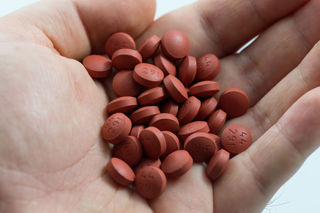

Opioid Miniseries Part III: Alternative to Opioids

Opioid Miniseries Part III: Alternative to Opioids

PRACTICE RECOMMENDATIONS

1. All emergency departments should implement ALTO programs and provide opioid-free pain treatment pathways for

the following conditions:

a. Acute on chronic opioid-tolerant radicular lower back pain

b. Opioid-naive musculoskeletal pain

c. Migraine or recurrent primary headache

d. Extremity fracture or joint dislocation

e. Gastroparesis-associated or chronic functional abdominal pain

f. Renal colic

2. Emergency departments should integrate ALTO into their computerized physician order entry systems to facilitate a seamless adoption by clinicians.

3. Low-dose, subdissociative ketamine (0.1-0.3 mg/kg) is an effective analgesic that can be opioid-sparing for many acute pain syndromes. Institutional guidelines and policies should be in place to enable clinicians and nurses who administer this agent for pain.

4. For musculoskeletal pain, consider a multimodal treatment approach using acetaminophen, NSAIDs, steroids, topical medications, trigger-point injections, and (for severe pain) ketamine.

5. For headache and migraine, consider a multimodal treatment approach that includes the administration of antiemetic agents, NSAIDs, steroids, valproic acid, magnesium, and triptans. Strongly consider cervical trigger-point injection.

6. For pain with a neuropathic component, consider gabapentin.

7. For pain with a tension component, consider a muscle relaxant.

8. For pain caused by renal colic, consider an NSAID, lidocaine infusion, and desmopressin nasal spray.

9. For chronic abdominal pain, consider low doses of haloperidol, diphenhydramine, and lidocaine infusion.

10. For extremity fracture or joint dislocation, consider the immediate use of nitrous oxide and low-dose ketamine while setting up for ultrasound-guided regional anesthesia.

11. For arthritic or tendinitis pain, consider an intra-articular steroid/anesthetic injection.

POLICY RECOMMENDATIONS

1. Hospitals should update institutional guidelines and put policies in place that enable clinicians to order and nurses to administer dose-dependent ketamine and IV lidocaine in non-ICU areas.

2. Emergency departments are encouraged to assemble an interdisciplinary pain management team that includes clinicians, nurses, pharmacists, physical therapists, social workers, and case managers.

3. Reimbursement should be available for any service directly correlated to pain management, the reduction of opioid use, and treatment of drug-addicted patients.

Episoder(1148)

Podcast 871: Increased Intracranial Pressure and the Cushing Reflex

Podcast 871: Increased Intracranial Pressure and the Cushing Reflex

Contributor: Travis Barlock MD Education Pearls: The Cushing Reflex is a physiologic response to elevated intracranial pressure (ICP) Cushing's Triad: widened pulse pressure (systolic hypertensio...

2 Okt 20233min
On The Streets #15: Hydrofluoric Acid Case Review

On The Streets #15: Hydrofluoric Acid Case Review

Contributors: Kalen Abbott, MD - EM Physician and Medical Director for AirLife Denver Brendan Reiss - Flight Nurse AirLife Denver Matt Spoon - Flight Paramedic AirLife Denver Jordan Ourada - E...

29 Sep 202341min

Episode 870: Advanced Trauma Life Support (ATLS)

Episode 870: Advanced Trauma Life Support (ATLS)

Contributor: Meghan Hurley MD Educational Pearls: What is ATLS? Advanced Trauma Life Support (ATLS) is a systematic and comprehensive approach to the evaluation and management of trauma patients I...

25 Sep 20237min

Podcast 869: Shift Work

Podcast 869: Shift Work

Contributor: Meghan Hurley MD Educational Pearls: Shift work is defined as anything that takes place outside of a 9-5 schedule, not exempting day-shift medical workers Various ill effects of shift...

18 Sep 20234min

Episode 868: Airway Management in Obesity

Episode 868: Airway Management in Obesity

Contributor: Aaron Lessen MD Educational Pearls: Why is airway management more difficult in obesity? Larger body habitus causes the chest to be above the head when the patient is lying supine, creat...

11 Sep 20233min

Episode 867: Occult Scaphoid Fractures

Episode 867: Occult Scaphoid Fractures

Contributor: Nick Tsipis MD Educational Pearls: The scaphoid bone is the most proximal carpal bone just distal to the radius Fractures of the scaphoid bone are sometimes missed by plain X-rays ...

4 Sep 20234min

Podcast 866: Carbamazepine (Tegretol) Overdose

Podcast 866: Carbamazepine (Tegretol) Overdose

Contributor: Aaron Lessen MD Educational Pearls: What is Carbamazepine (Tegretol)? Carbamazepine is an anti-epileptic drug with mood-stabilizing properties that is used to treat bipolar disorder, ep...

28 Aug 20232min

Laboring Under Pressure- Episode 1. ACLS in Pregnancy with Dr. Jason Papazian

Laboring Under Pressure- Episode 1. ACLS in Pregnancy with Dr. Jason Papazian

Contributor: Jason Papazian MD, Travis Barlock MD, Jeffrey Olson Summary: In this episode, Dr. Travis Barlock and Jeffrey Olson meet in the studio to discuss several clips from Dr. Jason Papazian's ta...

24 Aug 202332min

Populært innen Vitenskap

fastlegen
rekommandert
tingenes-tilstand
sinnsyn
rss-rekommandert
forskningno
jss
liberal-halvtime
tomprat-med-gunnar-tjomlid
smart-forklart
villmarksliv
fjellsportpodden
rss-paradigmepodden
tidlose-historier
dekodet-2
psykopoden
rss-overskuddsliv
diagnose
abid-nadia-skyld-og-skam
rss-nysgjerrige-norge