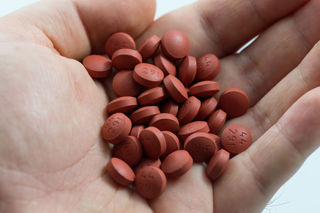

Opioid Miniseries Part III: Alternative to Opioids

Opioid Miniseries Part III: Alternative to Opioids

PRACTICE RECOMMENDATIONS

1. All emergency departments should implement ALTO programs and provide opioid-free pain treatment pathways for

the following conditions:

a. Acute on chronic opioid-tolerant radicular lower back pain

b. Opioid-naive musculoskeletal pain

c. Migraine or recurrent primary headache

d. Extremity fracture or joint dislocation

e. Gastroparesis-associated or chronic functional abdominal pain

f. Renal colic

2. Emergency departments should integrate ALTO into their computerized physician order entry systems to facilitate a seamless adoption by clinicians.

3. Low-dose, subdissociative ketamine (0.1-0.3 mg/kg) is an effective analgesic that can be opioid-sparing for many acute pain syndromes. Institutional guidelines and policies should be in place to enable clinicians and nurses who administer this agent for pain.

4. For musculoskeletal pain, consider a multimodal treatment approach using acetaminophen, NSAIDs, steroids, topical medications, trigger-point injections, and (for severe pain) ketamine.

5. For headache and migraine, consider a multimodal treatment approach that includes the administration of antiemetic agents, NSAIDs, steroids, valproic acid, magnesium, and triptans. Strongly consider cervical trigger-point injection.

6. For pain with a neuropathic component, consider gabapentin.

7. For pain with a tension component, consider a muscle relaxant.

8. For pain caused by renal colic, consider an NSAID, lidocaine infusion, and desmopressin nasal spray.

9. For chronic abdominal pain, consider low doses of haloperidol, diphenhydramine, and lidocaine infusion.

10. For extremity fracture or joint dislocation, consider the immediate use of nitrous oxide and low-dose ketamine while setting up for ultrasound-guided regional anesthesia.

11. For arthritic or tendinitis pain, consider an intra-articular steroid/anesthetic injection.

POLICY RECOMMENDATIONS

1. Hospitals should update institutional guidelines and put policies in place that enable clinicians to order and nurses to administer dose-dependent ketamine and IV lidocaine in non-ICU areas.

2. Emergency departments are encouraged to assemble an interdisciplinary pain management team that includes clinicians, nurses, pharmacists, physical therapists, social workers, and case managers.

3. Reimbursement should be available for any service directly correlated to pain management, the reduction of opioid use, and treatment of drug-addicted patients.

Episoder(1144)

Episode 958: Intranasal Fentanyl

Episode 958: Intranasal Fentanyl

Contributor: Aaron Lessen, MD Educational Pearls: How do we take care of kids in severe pain? There are many non-pharmacologic options for pain (i.e. ice, elevation) as well as more conventional medi...

26 Mai 20251min

Episode 957: Cardiac Asthma

Episode 957: Cardiac Asthma

Contributor: Travis Barlock, MD Educational Pearls: Wheezing is classically heard in asthma and COPD, but it can be the result of a wide range of processes that cause airflow limitation Narrowed bro...

19 Mai 20253min

Episode 956: Psychedelics and Risk of Schizophrenia

Episode 956: Psychedelics and Risk of Schizophrenia

Contributor: Jorge Chalit-Hernandez, OMS3 Educational Pearls: Psychedelics are being studied for their therapeutic effects in mental illnesses, including major depressive disorder, post-traumatic str...

12 Mai 20252min

Episode 955: Cardiac Effects of COVID-19

Episode 955: Cardiac Effects of COVID-19

Contributor: Ricky Dhaliwal, MD Educational Pearls: What factors are considered in a COVID-19 infection? The viral load: Understood as the impact of SARS-CoV-2 viral particles infecting host cell tis...

5 Mai 20254min

Episode 954: Combo Rescue Inhalers - New Guidelines

Episode 954: Combo Rescue Inhalers - New Guidelines

Contributor: Aaron Lessen, MD Educational Pearls: What is a Rescue Inhaler? A rescue inhaler is a medication for people with asthma to quickly reverse the symptoms of an asthma attack.  Historical...

30 Apr 20253min

Episode 953: Penicillin Allergies

Episode 953: Penicillin Allergies

Contributor: Geoff Hogan MD Educational Pearls: Penicillin allergies are relatively uncommon despite their frequent reports 10% of the population reports a penicillin allergy but only 5% of these...

21 Apr 20252min

Episode 952: Heart Transplants

Episode 952: Heart Transplants

Contributor: Travis Barlock, MD Educational Pearls: Key clinical considerations when managing heart transplant patients due to their unique pathophysiology 1. Arrhythmias A transplanted heart i...

14 Apr 20253min

Episode 951: Pediatric Febrile Seizures

Episode 951: Pediatric Febrile Seizures

Contributor: Taylor Lynch, MD Educational Pearls: Pediatric febrile seizures are defined as seizures that occur between the ages of six months to five years in the presence of a fever greater than o...

7 Apr 20256min

Populært innen Vitenskap

fastlegen
tingenes-tilstand
smart-forklart
jss
sinnsyn
rekommandert
rss-rekommandert
villmarksliv
tomprat-med-gunnar-tjomlid
forskningno
rss-paradigmepodden
fjellsportpodden
aldring-og-helse-podden
tidlose-historier
diagnose
pod-britannia
vett-og-vitenskap-med-gaute-einevoll
nordnorsk-historie
nevropodden
dekodet-2