
Opioid MIniseries Part IV: Harm Reduction

Opioid MIniseries Part IV: Harm Reduction

PRACTICE RECOMMENDATIONS

1. Patients who abuse opioids should be managed without judgement; addiction is a medical condition and not a moral failing. Caregivers should endeavor to meet patients "where they are," infusing empathy and understanding into the patient/medical provider relationship.

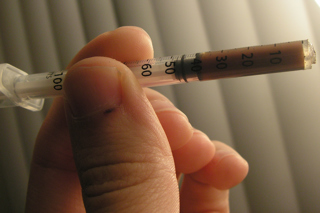
2. Every emergency clinician should be well-versed in the safe injection of heroin and other intravenous (IV) drugs, and understand the practical steps for minimizing the dangers of overdose, infection, and other complications. When treating patients with complications of IV drug use, injection habits should be discussed and instruction should be given about safe practices.

3. Emergency department patients who inject drugs should be referred to local syringe access programs, where they can obtain sterile injection materials and support services such as counseling, HIV/hepatitis testing, and referrals.

4. Emergency departments should provide naloxone to high-risk patients at discharge. If the drug is unavailable at the time of release, patients should receive a prescription and be informed about the over-the-counter availability of the drug in most Colorado pharmacies.

5. Emergency clinicians should be familiar with Colorado's regulations pertaining to naloxone. State laws eliminate liability risk for prescribing the drug, encourage good samaritan reporting of overdose, and make naloxone legal and readily available over the counter in most pharmacies.

6. Emergency department patients who receive prescriptions for opioids should be educated on their risks, safe storage methods, and the proper disposal of leftover medications.

POLICY RECOMMENDATIONS

1. Harm reduction agencies and community programs that provide resources for people who inject drugs (PWID) should be made readily available.

2. When local programs are unavailable for PWID, emergency departments should establish their own programs to provide services such as safe syringe exchanges.

Episoder(1147)

Podcast #280: Isolated Aphasia in Stroke

Podcast #280: Isolated Aphasia in Stroke

Author: Aaron Lessen, M.D. Educational Pearls Patients with an ischemic stroke from occlusion of the left middle cerebral artery often present with aphasia in addition to other neurological deficits....

11 Des 20171min

Podcast #279: Sedation After Intubation

Podcast #279: Sedation After Intubation

Author: Aaron Lessen, M.D. Educational Pearls Post-intubation care should always include pain control and adequate sedation. Commonly used sedation agents include propofol, ketamine and versed. Howev...

8 Des 20171min
Podcast #278: Subdural Hematomas

Podcast #278: Subdural Hematomas

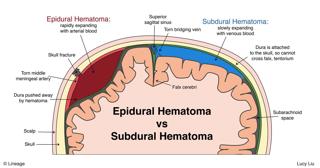
Educational Pearls Subdural hematomas can happen in the elderly because of brain atrophy, and can manifest with neurological deficit. Subdural hematomas are caused by rupture of the bridging veins of...

6 Des 20172min
Podcast #277: Mucor

Podcast #277: Mucor

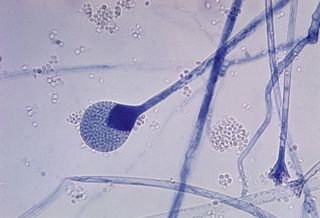
Author: Don Stader, M.D. Educational Pearls Mucor/Rhizopus fungal infections usually present in diabetic or immunocompromised patients as a black, necrotic lesion on the face. The fungus invades the ...

4 Des 20172min
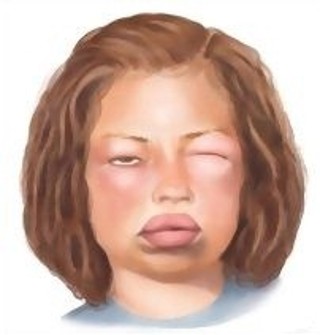
Podcast #276: Angioedema

Podcast #276: Angioedema

Author: John Winkler, M.D. Educational Pearls Angioedema is immediately life-threatening due to airway obstruction. Mechanisms include allergic reaction (histamine-related) or bradykinin-related (ACE...

1 Des 20173min
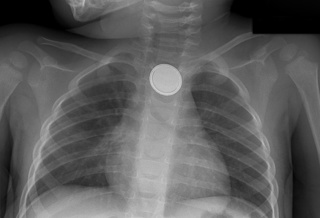
Podcast #275: Battery Ingestions

Podcast #275: Battery Ingestions

Author: Nick Hatch, M.D. Educational Pearls Unlike coin ingestions, button batteries can cause necrosis of the GI tract. If lodged in the esophagus, removal within 2 hours is important, because they ...

29 Nov 20174min

Podcast #274: Pediatric Sedation

Podcast #274: Pediatric Sedation

Author: Aaron Lessen, M.D. Educational Pearls A recent prospective observational study was performed to examine the safety of different sedation medications in the pediatric ED. This study included 6...

27 Nov 20172min
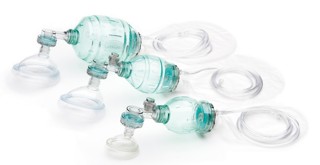
Podcast #273:  Bag Valve Masks

Podcast #273: Bag Valve Masks

Author: Sam Killian, M.D. Educational Pearls Difficulty with bag valve mask (BVM) ventilation can be addressed using the MOANS mnemonic. Mask seal, Obesity/obstruction, Age, No teeth, Sleep apnea. O...

17 Nov 20173min

Populært innen Vitenskap

fastlegen
tingenes-tilstand
rekommandert
jss
liberal-halvtime
rss-rekommandert
villmarksliv
sinnsyn
rss-paradigmepodden
pod-britannia
forskningno
fjellsportpodden
dekodet-2
rss-overskuddsliv
rss-lundqvist-podden
tomprat-med-gunnar-tjomlid
hva-er-greia-med
rss-nysgjerrige-norge
utenrikshospitalet
tidlose-historier