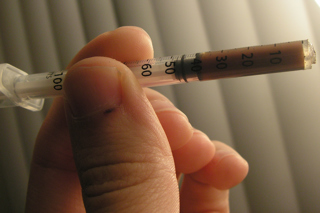

Opioid MIniseries Part IV: Harm Reduction

Opioid MIniseries Part IV: Harm Reduction

PRACTICE RECOMMENDATIONS

1. Patients who abuse opioids should be managed without judgement; addiction is a medical condition and not a moral failing. Caregivers should endeavor to meet patients "where they are," infusing empathy and understanding into the patient/medical provider relationship.

2. Every emergency clinician should be well-versed in the safe injection of heroin and other intravenous (IV) drugs, and understand the practical steps for minimizing the dangers of overdose, infection, and other complications. When treating patients with complications of IV drug use, injection habits should be discussed and instruction should be given about safe practices.

3. Emergency department patients who inject drugs should be referred to local syringe access programs, where they can obtain sterile injection materials and support services such as counseling, HIV/hepatitis testing, and referrals.

4. Emergency departments should provide naloxone to high-risk patients at discharge. If the drug is unavailable at the time of release, patients should receive a prescription and be informed about the over-the-counter availability of the drug in most Colorado pharmacies.

5. Emergency clinicians should be familiar with Colorado's regulations pertaining to naloxone. State laws eliminate liability risk for prescribing the drug, encourage good samaritan reporting of overdose, and make naloxone legal and readily available over the counter in most pharmacies.

6. Emergency department patients who receive prescriptions for opioids should be educated on their risks, safe storage methods, and the proper disposal of leftover medications.

POLICY RECOMMENDATIONS

1. Harm reduction agencies and community programs that provide resources for people who inject drugs (PWID) should be made readily available.

2. When local programs are unavailable for PWID, emergency departments should establish their own programs to provide services such as safe syringe exchanges.

Episoder(1149)

Podcast #212: Knights Who Say Pessary

Podcast #212: Knights Who Say Pessary

Author: Jared Scott, M.D. Educational Pearls: A pessary is a device inserted into the vagina for medical purposes. Examples include birth control and mechanical support of the pelvic structures. In o...

1 Jun 20173min
Podcast #211: E-cigarettes

Podcast #211: E-cigarettes

Author: Michael Hunt, M.D. Educational Pearls: Children under age of 6 are at greatest risk of accidental nicotine overdose from ingestion. Biphasic presentation: Hyperadrenergic = nausea, vomiting...

31 Mai 20173min

Podcast #210: Bear Mauling

Podcast #210: Bear Mauling

Author: Jared Scott M.D. Educational Pearls: Bear mauling is not a common issue in the ED. The Ursus americanus (black bear) is the most common in Colorado, but Ursus arctos horribilis (grizzly bear)...

28 Mai 20174min

Podcast #209: Rabbit Done Died

Podcast #209: Rabbit Done Died

Author: Sam Killian, M.D. Educational Pearls: "The Rabbit Has Died" is a lesser used phrase to denote finding out one is pregnant. During a test used in the 1930s, the "Rabbit's Test," a rabbit was i...

26 Mai 20176min
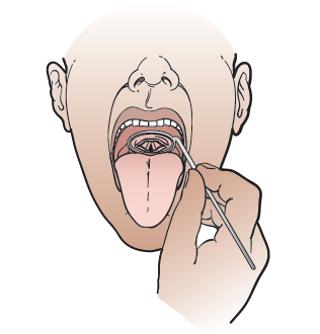
Podcast #208: Vocal Cord Dysfunction

Podcast #208: Vocal Cord Dysfunction

Author: Martin O'Bryan M.D. Educational Pearls: Vocal cord dysfunction can mimic other causes of stridor, such as asthma and upper airway obstruction. Patients are often very anxious because of the d...

24 Mai 20174min

Podcast #207: Boxer's Fracture

Podcast #207: Boxer's Fracture

Author: Sam Killian, M.D. Educational Pearls: Defined as fracture of neck (distal segment) of 5th metacarpal. Intrinsic muscles of hand pull segment to palmar aspect of hand. 30 degrees of angulation...

22 Mai 20174min
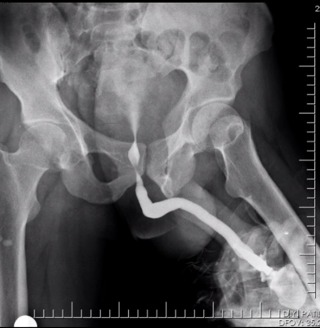
Podcast #206: Urethral Injuries

Podcast #206: Urethral Injuries

Author: Jared Scott, M.D. Educational Pearls: DDx for blood at urethral meatus includes: pelvic fracture, ruptured bladder, kidney laceration, penile trauma. Retrograde Urethrogram (RUG) must be perf...

20 Mai 20174min
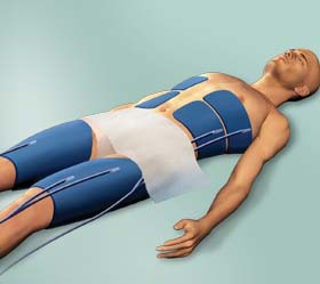
Podcast #205: Post Cardiac Arrest Temperature Control

Podcast #205: Post Cardiac Arrest Temperature Control

Author: Michael Hunt, M.D. Educational Pearls: Research has shown that the higher temperatures post-cardiac arrests may lead to poorer outcomes. Initially, 33 deg C was the target temp. However, more...

18 Mai 20173min

Populært innen Vitenskap

fastlegen
rekommandert
tingenes-tilstand
forskningno
rss-rekommandert
rss-nysgjerrige-norge
sinnsyn
liberal-halvtime
smart-forklart
villmarksliv
vett-og-vitenskap-med-gaute-einevoll
fjellsportpodden
jss
pod-britannia
psykopoden
tomprat-med-gunnar-tjomlid
dekodet-2
aldring-og-helse-podden
nevropodden
rss-paradigmepodden