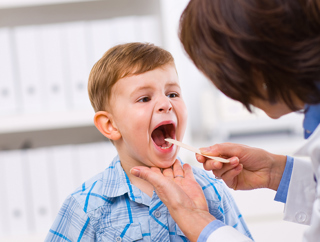
Podcast #315: Retropharyngeal Infections in Pediatrics

Podcast #315: Retropharyngeal Infections in Pediatrics

Author: Dr. Karen Woolf, MD

Educational Pearls:

  • Anatomy : base of skull to posterior mediastinum, anteriorly bounded by middle layer of deep cervical fascia and posteriorly by the deep layer, communicates to lateral pharyngeal space bounded by carotid sheath. Lymph node chains draining nasopharynx, sinuses, middle ear, etc. run through it.
  • Epidemiology & Microbiology: most common kids 2-4, (neonates too). Polymicrobial (GAS, MSSA, MRSA, respiratory anaerobes).
  • Signs and symptoms can include pharyngitis, dysphagia, odynophagia, drooling, torticollis, muffled voice, respiratory distress, stridor, neck swelling, and trismus.
  • Exam may show drooling, posterior pharyngeal swelling, anterior cervical LAD, or a neck mass.
  • Imaging: Get CT neck w/IV contrast!
  • DDx: epiglottis, croup, bacterial tracheitis, peritonsillar abscess, trauma, foreign body, angioedema, cystic hygroma, meningitis, osteomyelitis, tetanus toxin.
  • Tx: Unasyn, if not responding add Vancomycin or Linezolid; surgical drainage if airway is compromised.
  • Complications: airway obstruction, sepsis, aspiration pneumonia, IJ thrombosis, carotid artery rupture, mediastinitis.

References:

Craig FW, Schunk JE. Retropharyngeal abscess in children: clinical presentation, utility of imaging, and current management. Pediatrics 2003; 111:1394.

Fleisher GR. Infectious disease emergencies. In: Textbook of Pediatric Emergency Medicine, 5th ed, Fleisher GR, Ludwig S, Henretig FM (Eds), Lippincott Williams & Wilkins, Philadelphia 2006. p.783.

Goldstein NA, Hammersclag MR. Peritonsillar, retropharyngeal, and parapharyngeal abscesses. In: Textbook of Pediatric Infectious Diseases, 6th ed, Feigin RD, Cherry JD, Demmler-Harrison GJ, Kaplan SL (Eds), Saunders, Philadelphia 2009. P.177

Episoder(1145)

Podcast #270: Wound Botulism

Podcast #270: Wound Botulism

Author: Don Stader, M.D. Educational Pearls Wound botulism should be considered in patients with cutaneous lesions and neuromuscular weakness. The toxin produced by clostridium botulinum is the c...

10 Nov 20173min

Podcast #269: Tattoo Ink Complications

Podcast #269: Tattoo Ink Complications

Author: Michael Hunt, M.D. Educational Pearls Tattoo ink is applied below the skin, and because of this, they can lead to keloids, granulomas, tetanus, hepatitis B and C, and skin infections. Tattoo...

8 Nov 20174min
Podcast #268: Poiseuille's Law

Podcast #268: Poiseuille's Law

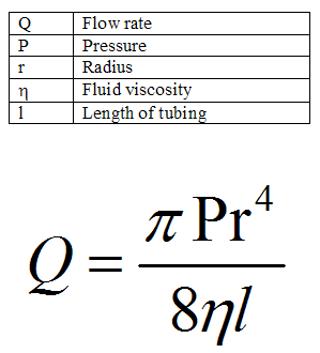
Author: Dave Rosenberg, M.D. Educational Pearls Poiseuille's Law addresses the flow of a fluid through a tube. Many common ED presentations involve alterations in flow: asthma, MI, ischemic stroke, ...

6 Nov 20176min

Podcast #267: Causes of Very High Lactate

Podcast #267: Causes of Very High Lactate

Author: Dylan Luyten, M.D. Educational Pearls Lactate is a byproduct of anaerobic metabolism, a sign of dying tissue. Dangerous causes of high lactates will not normalize with repeat labs. Crush inju...

3 Nov 20173min

Podcast #266: MI in Young Patients

Podcast #266: MI in Young Patients

Author: John Winkler, M.D. Educational Pearls Some risk factors for MI in the young are history of CAD, stimulant drug use, coronary spasm and diabetes. In those with diffuse ST elevations on EKG, th...

1 Nov 20171min
Podcast #265: The 2017 Flu Vaccine

Podcast #265: The 2017 Flu Vaccine

Author: Rachel Beham, PharmD, Advanced Clinical Pharmacist - Emergency Medicine Educational Pearls CDC recommends using the inactivated, injectable flu vaccine in those 6 months and older. The live a...

30 Okt 20174min

Podcast #264: Witnessed Cardiac Arrest

Podcast #264: Witnessed Cardiac Arrest

Author: Aaron Lessen, M.D. Educational Pearls For patients with in-hospital cardiac arrest, intubation in the 1st 15 minutes of resuscitation was associated with worse outcomes (mortality, neurologic...

27 Okt 20172min

Podcast #263: Early Antibiotics in Sepsis

Podcast #263: Early Antibiotics in Sepsis

Educational Pearls After the first hour, every 1 hour delay in antibiotics in a patient with septic shock patient is associated with a 4% increase in mortality. In patients with high suspicion for se...

25 Okt 20172min

Populært innen Vitenskap

fastlegen
tingenes-tilstand
rekommandert
jss
rss-nysgjerrige-norge
rss-rekommandert
vett-og-vitenskap-med-gaute-einevoll
sinnsyn
forskningno
villmarksliv
nordnorsk-historie
fjellsportpodden
rss-paradigmepodden
smart-forklart
rss-overskuddsliv
aldring-og-helse-podden
diagnose
pod-britannia
tomprat-med-gunnar-tjomlid
tidlose-historier

















