
Podcast 539:  Coricidin Abuse

Podcast 539: Coricidin Abuse

Contributor: Rachel Beham, PharmD

Educational Pearls:

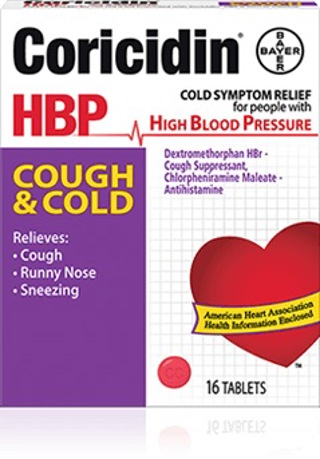
  • Coricidin HBP Cough & Cold (dextromethorphan and chlorpheniramine) is one of the more commonly abused over-the-counter medications
  • Dextromethorphan, binds to multiple receptors, particularly at high doses
    • Opioid receptors, causing respiratory depression, CNS depression
    • NMDA receptors, causing agitation and hallucinations
    • Serotonin-reuptake inhibition, which may lead to serotonin syndrome, especially when combined with other agents
  • Dextromethorphan also contains bromide, which when chronically abused can lead to bromism (behavioral changes, hallucinations, weight loss, and neurologic changes)
  • Chlorpheniramine is an antihistamine and can cause anticholinergic effects in overdose, such agitation, hyperthermia, and hallucinations
  • Acute treatment of Coricidin abuse is mostly supportive, which may include benzodiazepines, naloxone, dialysis, sodium bicarbonate, and physostigmine depending on the predominate toxidrome and symptoms present

References

Ritter D, Ouellette L, Sheets JD, Riley B, Judge B, Cook A, Houseman J, Jones JS. "Robo-tripping": Dextromethorphan toxicity and abuse. Am J Emerg Med. 2019 Nov 17. pii: S0735-6757(19)30655-2. doi: 10.1016/j.ajem.2019.10.001.

Bryner JK, Wang UK, Hui JW, Bedodo M, MacDougall C, Anderson IB. Dextromethorphan abuse in adolescence: an increasing trend: 1999-2004. Arch Pediatr Adolesc Med. 2006;160(12):1217–1222. doi:10.1001/archpedi.160.12.1217

Monks S, Yen M, Myers J. Bromism: An overlooked and elusive toxidrome from chronic dextromethorphan abuse. Am J Emerg Med. 2019 Nov 15:158491. doi: 10.1016/j.ajem.2019.158491.

Summarized by Will Dewispelaere, MS4 | Edited by Erik Verzemnieks, MD


Episoder(1145)

Episode 913: Vasopressors after ROSC

Episode 913: Vasopressors after ROSC

Contributor: Travis Barlock MD Educational Pearls: Recent study assessed outcomes after ROSC with epinephrine vs. norepinephrine Observational multicenter study from 2011-2018 285 patients rece...

23 Jul 20241min

Podcast 912: Narcan (Naloxone)

Podcast 912: Narcan (Naloxone)

Contributor: Taylor Lynch, MD Educational Pearls: Opioid Epidemic- quick facts Drug overdoses, primarily driven by opioids, have become the leading cause of accidental death in the U.S. for individu...

15 Jul 20246min

Episode 911: Anticholinergic Toxicity

Episode 911: Anticholinergic Toxicity

Contributor: Taylor Lynch MD Educational Pearls: Anticholinergics are found in many medications, including over-the-counter remedies Medications include: Diphenhydramine Tricyclic antidepressa...

8 Jul 20247min

Episode 910: Cellulitis Recovery Timeline

Episode 910: Cellulitis Recovery Timeline

Contributor: Aaron Lessen, MD Educational Pearls: How fast does cellulitis recover? A recent prospective cohort study took a look at this question. The study included 300 adults with cellulitis ...

2 Jul 20241min

Episode 909: Prehospital Blood Pressure Management in Suspected Stroke

Episode 909: Prehospital Blood Pressure Management in Suspected Stroke

Contributor: Aaron Lessen MD Educational Pearls: A recent study assessed EMS treatment of high blood pressure in the field 2404 patients randomized to prehospital treatment (1205) vs. usual care ...

24 Jun 20242min

Episode 908: Sympathomimetic Drugs

Episode 908: Sympathomimetic Drugs

Contributor: Taylor Lynch MD Educational Pearls: Overview: Sympathomimetic drugs mimic the fight or flight response, affecting monoamines such as dopamine, norepinephrine, and epinephrine Limited th...

17 Jun 20247min

Episode 907: Wide-Complex Tachycardia

Episode 907: Wide-Complex Tachycardia

Contributor: Travis Barlock MD Educational Pearls: Wide-complex tachycardia is defined as a heart rate > 100 BPM with a QRS width > 120 milliseconds Wide-complex tachycardia of supraventricular or...

12 Jun 20243min

Episode 906: Case Study of Hypernatremia

Episode 906: Case Study of Hypernatremia

Contributor: Aaron Lessen MD Educational Pearls: The case: A gentleman came in from a nursing home with symptoms concerning for sepsis. He was hypotensive, hypoxic, febrile, and mentally altered. ...

3 Jun 20243min

Populært innen Vitenskap

fastlegen
tingenes-tilstand
rekommandert
jss
rss-nysgjerrige-norge
rss-rekommandert
vett-og-vitenskap-med-gaute-einevoll
sinnsyn
forskningno
villmarksliv
nordnorsk-historie
fjellsportpodden
rss-paradigmepodden
smart-forklart
rss-overskuddsliv
aldring-og-helse-podden
diagnose
pod-britannia
tomprat-med-gunnar-tjomlid
tidlose-historier