Podcast 552: PE Management and Risk Stratification

Podcast 552: PE Management and Risk Stratification

Contributor: Dylan Luyten, MD

Educational Pearls:

  • After you diagnose a pulmonary embolism (PE) via CT or VQ scan, we need to categorize the PE as massive, sub-massive, or just PE to dictate treatment.
  • Massive PE: shock with hypotension due to an embolism, and the treatment of choice is thrombolysis with IV tPA with anticoagulation after lysis. Catheter thrombolysis is not used in the hemodynamically unstable patient but can be done after they are stable.
  • Sub-massive: signs of right heart strain/failure but hemodynamically stable. This can be EKG changes, positive biomarkers, or imaging findings. These patients can be treated with IV heparin as there may benefit from catheter directed thrombolysis which has been shown to lead to better functional outcomes.
  • Everything else can be stratified to determine whether inpatient even outpatient treatment is necessary
  • Pulmonary Embolism Severity Index (PESI) or Hestia criteria and can help determine if the patient is better suited for in or outpatient management.
  • Non massive or sub-massive PEs are treated with heparin/Lovenox bridged to Warfarin, a factor Xa inhibitor (ex. Xarelto), or direct oral anticoagulants (DOAC).

Editor's note: intravenous heparin is preferable to other anticoagulants when considering interventional radiology as it can be shut off and/or reversed if necessary prior to procedure

References

1. Sista, A. et al. Stratification, Imaging, and Management of Acute Massive and Submassive Pulmonary Embolism. 2017 Jul;284(1):5-24

2. Aujesky D, Obrosky DS, Stone RA, Auble TE, Perrier A, Cornuz J, Roy PM, Fine MJ. Derivation and validation of a prognostic model for pulmonary embolism. Am J Respir Crit Care Med. 2005 Oct 15;172(8):1041-6

3. Jimenez, D. et al. Risk stratification of patients with acute symptomatic pulmonary embolism. Intern Emerg Med. 2016 Feb;11(1):11-8.

Summarized by Jackson Roos, MS3 | Edited by Erik Verzemnieks, MD


Episoder(1147)

On the Streets #3: COVID-19

On the Streets #3: COVID-19

In this special edition of our On the Streets podcast, we discuss COVID-19 as well as what first responders and emergency providers need to know to keep themselves and their patients safe during this ...

19 Mar 202020min
Podcast 550: Good ol' Versed

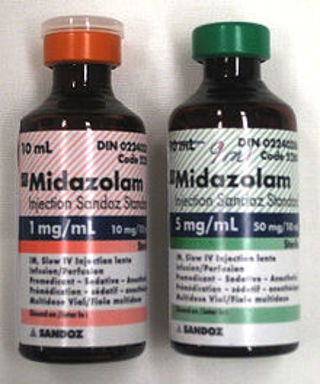
Podcast 550: Good ol' Versed

Contributor: Sam Killian, MD Educational Pearls: Agitation can be due to a number of causes, but regardless of the cause, sedation often plays a key role in patient and provider safety. But what is t...

17 Mar 20204min

Podcast 549:  Just Use Epineprhine

Podcast 549: Just Use Epineprhine

Contributor: Sam Killian, MD Educational Pearls: Classic dogma teaching that epinephrine should not be used in the fingers, nose, penis, and toes when performing local anesthesia due to concerns for ...

16 Mar 20203min

On the Streets #2: Neurological Deficits

On the Streets #2: Neurological Deficits

Part 1 of 2: Dr. Adam Graham dishes out the essentials of identifying concerning neurological deficits on the scene, predicting what they mean and how to best care for patients with neurological defic...

11 Mar 202020min

Podcast 548:  Adrenal Crisis

Podcast 548: Adrenal Crisis

Contributor: Nick Tsipis, MD Educational Pearls: Congenital adrenal hyperplasia (CAH) is a group of enzyme deficiencies in the adrenals leading to a deficiency of hormones normally synthesized by the...

10 Mar 20205min
Podcast 547: Capsaicin Cream to the Rescue

Podcast 547: Capsaicin Cream to the Rescue

Author: Aaron Lessen, MD Educational Pearls: A recent retrospective study looked capsaicin cream in treating cannabinoid hyperemesis syndrome in regards to length of stay, cost analysis, use of rescu...

9 Mar 20201min

Podcast 546: Complete Heart Block

Podcast 546: Complete Heart Block

Author: Jared Scott, MD Educational Pearls: Differentiating symptomatic bradycardia from asymptomatic may be essential in determining workup and treatment Airway, breath, circulation always hold true...

3 Mar 20203min
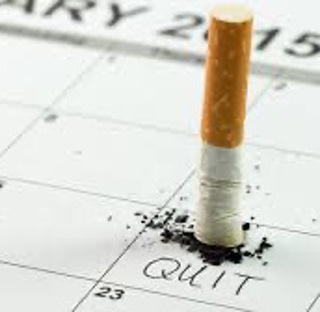
Podcast 545: So You Quit Smoking… Now What?

Podcast 545: So You Quit Smoking… Now What?

Author: Aaron Lessen, MD Educational Pearls: New data shows within 5 years of smoking cessation, the risk of cardiovascular disease becomes half of those who continue to smoke After 10-15 years of c...

2 Mar 20201min

Populært innen Vitenskap

fastlegen
rekommandert
tingenes-tilstand
jss
rss-rekommandert
liberal-halvtime
villmarksliv
rss-paradigmepodden
forskningno
sinnsyn
fjellsportpodden
pod-britannia
rss-nysgjerrige-norge
tidlose-historier
hva-er-greia-med
rss-lundqvist-podden
dekodet-2
tomprat-med-gunnar-tjomlid
vett-og-vitenskap-med-gaute-einevoll
nordnorsk-historie