Podcast 553: Airway Management in the Hypoxic COVID-19 Patient (Recorded 4/3/20)

Podcast 553: Airway Management in the Hypoxic COVID-19 Patient (Recorded 4/3/20)

Contributor: Dylan Luyten, MD

Educational pearls:

  • Clinical management of COVID-19 is rapidly evolving, relying on case reports and clinical experience
  • In just a month, the consensus around management of COVID patients with severe hypoxia has shifted from an early intubation strategy to other, non-invasive means
  • Intubating early can quickly consume ventilator resources, require increased intensive care monitoring, and likely leads to longer hospital stays and once COVID patients are intubated, extubation can take days to weeks.
  • In Italy, ventilator supplies were depleted leading to the use of helmet CPAP machines, which appeared to be effective in management of respiratory distress in COVID, though not available for use in the US
  • Non-invasive ventilation such as CPAP/BiPAP is thought to increase risk to staff for infection via aerosolization, and has often been avoided in COVID patients
  • High flow nasal cannulas appear to pose less of a risk of aerosolization of viral particles (especially when a surgical mask is placed over the patient's nose, mouth and apparatus)
  • Anecdotal evidence from NYC has shown success allowing conscious patients to maintain hypoxia on HFN, where they will self prone to help with lung recruitment, and seemingly do well despite persistent saturations in the 80s or less
  • Hospitals around the country are moving away from the intubate early methodology in favor of high flow oxygen therapy as long as they are not having issues with work of breathing or other complications
  • The pathophysiology of respiratory distress and hypoxia in COVID patients is evolving as well, and some presentations appear similar to disease processes such as high altitude pulmonary edema (HAPE) rather than acute respiratory distress syndrome (ARDS), in that patients are quite well appearing despite phenomenally low oximetry readings.
    • These select patients appear to be excellent candidates for non-invasive means rather than an early intubation strategy

Editor's note: do not take lightly that intubation is one of the highest risk aerosolization generating procedures, along with many peri-intubation procedures like suctioning, BVM, etc.

References

[1]. Sorbello, M. et al. The Italian coronavirus disease 2019 outbreak: recommendations from clinical practice. Anaesthesia. 2020 Mar 27.

[2]. Giwa, AL. Desai A. Duca A. Novel 2019 coronavirus SARS-CoV-2 (COVID-19): An updated overview for emergency clinicians. Emerg Med Pract. 2020 May 1;22(5):1-28.

[3]. Ather B, Edemekong PF. Airborne Precautions. [Updated 2020 Feb 17]. In: StatPearls [Internet]. Treasure Island (FL): StatPearls Publishing; 2020 Jan.

Summarized by Jackson Roos, MS3 | Edited by Erik Verzemnieks, MD

Photo Credit: New England Journal of Medicine

https://www.nejm.org/doi/full/10.1056/NEJMc2007589?query=RP

Episoder(1147)

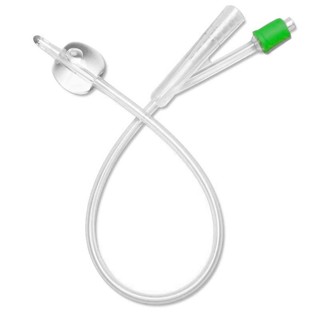
Podcast # 344: Foley troubleshooting

Podcast # 344: Foley troubleshooting

Author: Aaron Lessen, MD. Educational Pearls: When foley is stuck, balloon may not have deflated. Make sure balloon is not in the urethra, which can block drainage. Cut off the port as it may b...

22 Jun 20183min
Podcast # 343: Snake Bites

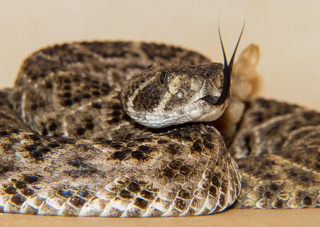
Podcast # 343: Snake Bites

Educational Pearls: Snake bites commonly occur between April and October. Rattlesnake bites are the most common. Venom contains proteins/enzymes that cause local inflammation, coagulopathy, and...

20 Jun 20186min
Podcast # 342: Scombroid

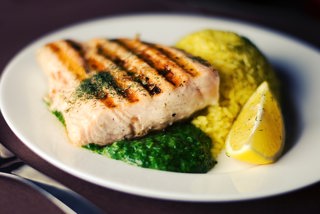
Podcast # 342: Scombroid

Author: Jared Scott, MD Educational Pearls: Scombroid is a type of food poisoning associated with dark fish (i.e. tuna, salmon, mackerel) that mimics anaphylaxis. Occurs through conversion of histi...

18 Jun 20184min
Podcast # 341: Tenecteplase vs. Alteplase

Podcast # 341: Tenecteplase vs. Alteplase

Author: Rachel Beham, PharmD Educational Pearls: Tenecteplase is more specific for fibrin and has a longer half-life than alteplase. In setting of ischemic stroke, tenecteplase before thrombectomy ...

13 Jun 20183min

Podcast # 340: Drowning

Podcast # 340: Drowning

Author: Chris Holmes, MD Educational Pearls: Epidemiology: 80% male, ages 1-4 at greatest risk, African-American > Caucasian. Freshwater and ocean water may have more bacteria than pool water. ...

11 Jun 20185min

Podcast # 339: Ectopic Pregnancy Risk Factors

Podcast # 339: Ectopic Pregnancy Risk Factors

Author: Jared Scott, MD Educational Pearls: Data is mixed, but some studies show 1-2% of pregnancies are ectopic. Risk factors for ectopic pregnancies include: pelvic inflammatory disease, prior ec...

8 Jun 20185min
Podcast # 338: Mononucleosis predictors

Podcast # 338: Mononucleosis predictors

Author: Chris Holmes, MD Educational Pearls: Symptoms commonly seen with mononucleosis are palatal petechiae, posterior cervical lymphadenopathy, inguinal/axillary lymphadenopathy, splenomegaly, and/...

6 Jun 20182min
Podcast # 337: Airway Burn Inhalation

Podcast # 337: Airway Burn Inhalation

Author: John Winkler, MD Educational Pearls: Singed nasal hairs, soot around mouth, hoarse voice, drooling, and burns to head/face are signs suggestive of inhalation injury. Early intubation is cri...

4 Jun 20186min

Populært innen Vitenskap

fastlegen
rekommandert
tingenes-tilstand
jss
rss-rekommandert
liberal-halvtime
villmarksliv
rss-paradigmepodden
forskningno
sinnsyn
fjellsportpodden
pod-britannia
rss-nysgjerrige-norge
tidlose-historier
hva-er-greia-med
rss-lundqvist-podden
dekodet-2
tomprat-med-gunnar-tjomlid
vett-og-vitenskap-med-gaute-einevoll
nordnorsk-historie