Podcast 557:  COVID-19 Lab Trends

Podcast 557: COVID-19 Lab Trends

Contributor: Don Stader, MD

Educational Pearls:

  • COVID-19 is diagnosed with a nasopharyngeal swab (q-tip). This unfortunately can be painful, but if the swab doesn't go deep into the nasal cavity the sample can be inadequate leading to false negatives (missed infections).
  • The sensitivity of the COVID-19 RT PCR test is low, ranging from 66-80% in various studies. Another study has shown 23% of patients who initially tested negative but had COVID-19 symptoms will test positive when re-tested. So test highly suspicious patients twice.

  • COVID has shown to have an effect on CBC. White blood cell counts are often normal (no leukocytosis), but there is often lymphopenia, or low lymphocytes, and thrombocytopenia. Interestingly, low platelets have appeared to have prognostic value in that lower platelets often indicate worse patient outcomes.
  • Coagulation studies are showing very elevated D-Dimers which has sparked the debate as to whether COVID-19 causes a hypercoagulable state. The increased incidence of MI/heart attacks and strokes in COVID patients supports this argument.
  • While D-Dimers can help point towards a diagnosis of pulmonary embolism, in the setting of highly likely COVID-19 infections, getting a CTA looking for a PE is probably unnecessary unless there's also suspicion for PE.
  • C-reactive protein (CRP) and procalcitonin are two common inflammatory markers. A CRP can help indicate how sick a patient is and procalcitonin can help determine if the infection is bacterial or viral in nature.
  • CRP levels are often elevated in COVID patients, and studies are showing a high CRP is linked to worse patient outcomes.
  • Elevations in procalcitonin can be used to see if there's a concomitant bacterial infection, meaning patients need antibiotics in addition to supportive care for the COVID-19.
  • Flu season is coming to a close, but data has shown a 5-10% co-infection rate of COVID-19 with influenza. As expected patient outcomes have been worse in those with both infections.

References

1) Farkas, Josh. "COVID-19." EMCrit Project, 21 Apr. 2020, emcrit.org/ibcc/covid19/#labs.

2) Guan W. et al. Clinical Characteristics of Coronavirus Disease 2019 in China. February 28, 2020, updated on March 6, 2020, at NEJM.org. DOI: 10.1056/NEJMoa2002032

3)Young BE, Ong SWX, Kalimuddin S, et al. Epidemiologic Features and Clinical Course of Patients Infected With SARS-CoV-2 in Singapore. JAMA. 2020;323(15):1488–1494. doi:10.1001/jama.2020.3204

4) Wang M. et al. Clinical diagnosis of 8274 samples with 2019-novel coronavirus in Wuhan. medRxiv 2020.02.12.20022327; doi: https://doi.org/10.1101/2020.02.12.20022327

Summarized by Jackson Roos, MS4 | Edited by Erik Verzemnieks, MD

Episoder(1147)

Podcast #244: Clavicle Fracture Review

Podcast #244: Clavicle Fracture Review

Author: Nick Hatch, M.D. Educational Pearls The force required to break a clavicle is significant, so clavicle fracture may be associated with other injury (pneumothorax, vascular injury). Most fract...

27 Aug 20172min

Podcast #243: Sphenopalatine Nerve Block

Podcast #243: Sphenopalatine Nerve Block

Author: Don Stader, M.D. Educational Pearls Cluster headaches are usually intense, unilateral, and involve the periorbital area. CN V (Trigeminal) provides sensory and autonomic innervation the face...

25 Aug 20174min
Podcast #242: Pott's Puffy Tumor

Podcast #242: Pott's Puffy Tumor

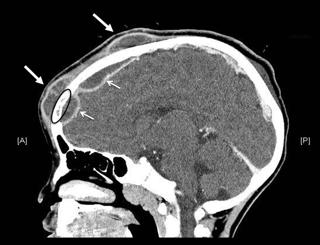
Author: Suzanne Chilton, M.D. Educational Pearls Pott's puffy tumor is a subperiosteal abscess of the frontal bone that arises from hematologic spread or direct infection via the frontal sinuses. The...

23 Aug 20173min
Podcast #241: GERD vs. MI

Podcast #241: GERD vs. MI

Author: Dave Rosenberg, M.D. Educational Pearls MI and GERD can present similarly. For example, 47% with angina report increased belching with an anginal attack, and 20% of people with an MI describe...

21 Aug 20173min
Podcast #240: Honey and Burns

Podcast #240: Honey and Burns

Podcast #240: Honey and Burns Author: Nick Hatch, M.D. Educational Pearls Honey can be used to treat burns because it has antibacterial properties. In one study, honey outperformed silver sulfadiazin...

19 Aug 20172min
Podcast #239: Tetanus in the ED

Podcast #239: Tetanus in the ED

Author: Rachel Beham, PharmD, Advanced Clinical Pharmacist - Emergency Medicine Educational Pearls Tetanus Ig is indicated in those who have no or unknown tetanus vaccination history who present with...

17 Aug 20173min
Podcast #238: Ultrasound in Cardiac Arrest

Podcast #238: Ultrasound in Cardiac Arrest

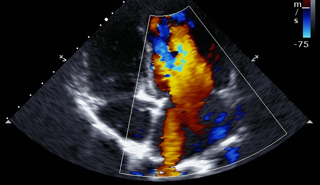
Author: Aaron Lessen M.D. Educational Pearls Ultrasound is helpful in the setting of cardiac arrest for finding a cause like cardiac tamponade or PE, but also for predicting outcomes for non-shockab...

15 Aug 20171min
Deep Dive #5: The Evolution of Sepsis Treatment

Deep Dive #5: The Evolution of Sepsis Treatment

Author: Susan Brion, M.D. Dr. Brion enlightens us on the ever-evolving standard of sepsis management.

11 Aug 201722min

Populært innen Vitenskap

fastlegen
rekommandert
tingenes-tilstand
jss
rss-rekommandert
liberal-halvtime
rss-paradigmepodden
sinnsyn
forskningno
villmarksliv
pod-britannia
fjellsportpodden
dekodet-2
rss-lundqvist-podden
rss-nysgjerrige-norge
hva-er-greia-med
tidlose-historier
rss-overskuddsliv
diagnose
tomprat-med-gunnar-tjomlid