
Podcast 557:  COVID-19 Lab Trends

Podcast 557: COVID-19 Lab Trends

Contributor: Don Stader, MD

Educational Pearls:

  • COVID-19 is diagnosed with a nasopharyngeal swab (q-tip). This unfortunately can be painful, but if the swab doesn't go deep into the nasal cavity the sample can be inadequate leading to false negatives (missed infections).
  • The sensitivity of the COVID-19 RT PCR test is low, ranging from 66-80% in various studies. Another study has shown 23% of patients who initially tested negative but had COVID-19 symptoms will test positive when re-tested. So test highly suspicious patients twice.

  • COVID has shown to have an effect on CBC. White blood cell counts are often normal (no leukocytosis), but there is often lymphopenia, or low lymphocytes, and thrombocytopenia. Interestingly, low platelets have appeared to have prognostic value in that lower platelets often indicate worse patient outcomes.
  • Coagulation studies are showing very elevated D-Dimers which has sparked the debate as to whether COVID-19 causes a hypercoagulable state. The increased incidence of MI/heart attacks and strokes in COVID patients supports this argument.
  • While D-Dimers can help point towards a diagnosis of pulmonary embolism, in the setting of highly likely COVID-19 infections, getting a CTA looking for a PE is probably unnecessary unless there's also suspicion for PE.
  • C-reactive protein (CRP) and procalcitonin are two common inflammatory markers. A CRP can help indicate how sick a patient is and procalcitonin can help determine if the infection is bacterial or viral in nature.
  • CRP levels are often elevated in COVID patients, and studies are showing a high CRP is linked to worse patient outcomes.
  • Elevations in procalcitonin can be used to see if there's a concomitant bacterial infection, meaning patients need antibiotics in addition to supportive care for the COVID-19.
  • Flu season is coming to a close, but data has shown a 5-10% co-infection rate of COVID-19 with influenza. As expected patient outcomes have been worse in those with both infections.

References

1) Farkas, Josh. "COVID-19." EMCrit Project, 21 Apr. 2020, emcrit.org/ibcc/covid19/#labs.

2) Guan W. et al. Clinical Characteristics of Coronavirus Disease 2019 in China. February 28, 2020, updated on March 6, 2020, at NEJM.org. DOI: 10.1056/NEJMoa2002032

3)Young BE, Ong SWX, Kalimuddin S, et al. Epidemiologic Features and Clinical Course of Patients Infected With SARS-CoV-2 in Singapore. JAMA. 2020;323(15):1488–1494. doi:10.1001/jama.2020.3204

4) Wang M. et al. Clinical diagnosis of 8274 samples with 2019-novel coronavirus in Wuhan. medRxiv 2020.02.12.20022327; doi: https://doi.org/10.1101/2020.02.12.20022327

Summarized by Jackson Roos, MS4 | Edited by Erik Verzemnieks, MD

Episoder(1146)

Podcast 761: Peritonsillar Abscess: To Stab or Not to Stab?

Podcast 761: Peritonsillar Abscess: To Stab or Not to Stab?

Contributor: Jared Scott, MD Educational Pearls: Often present with complaints of sore throat, pain with swallowing, difficulty swallowing, voice change, and possible fever Retrospective study from 2...

7 Mar 20226min
Podcast 760: Why Fentanyl is the Worst

Podcast 760: Why Fentanyl is the Worst

Contributor: Don Stader, MD Educational Pearls: Fentanyl's common administration route through pills has lowered the psychological barrier of using opioid compared to injecting and smoking heroin Fen...

1 Mar 20228min
Podcast 759: Hyperkalemia and Myth of Kayexalate

Podcast 759: Hyperkalemia and Myth of Kayexalate

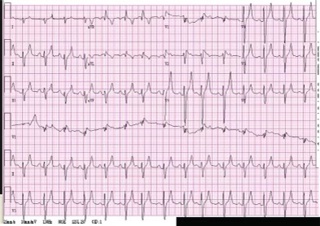
Contributor: Nick Tsipis, MD Educational Pearls: Acute hyperkalemia is characterized as serum K of 5.4 or higher in non-hemolyzed samples Hyperkalemia is commonly associated with end stage renal dise...

28 Feb 20225min
Mental Health Monthly #10: The Elderly Psychotic Patient

Mental Health Monthly #10: The Elderly Psychotic Patient

Dr. Kim Nordstrom, a practicing emergency psychiatrist and associate professor with the University of Colorado, discusses various work-up models alongside valuable bedside tools for elderly patients w...

23 Feb 202211min

Podcast 758: Vaccine Safety During Pregnancy

Podcast 758: Vaccine Safety During Pregnancy

Contributor: Nick Tsipis, MD Educational Pearls: Observational study in Israel evaluated cohort of vaccinated pregnant women receiving the initial Pfizer-BioNTech COVID-19 mRNA vaccine Looked at 24,...

22 Feb 20223min
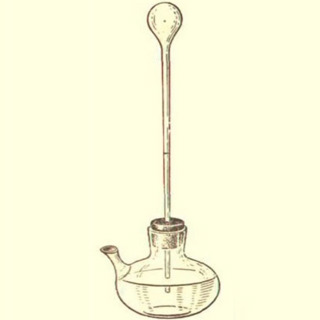
Podcast 757: History of Fevers and Thermometers

Podcast 757: History of Fevers and Thermometers

Contributor: Chris Holmes, MD Educational Pearls: Dr. Carl Reinhold August Wunderlich, of the mid-1800s, was the first physician to suggest temperature was related to disease processes and his measur...

21 Feb 20226min

Podcast 756: Violence Towards ED Staff

Podcast 756: Violence Towards ED Staff

Contributor: Jared Scott, MD Educational Pearls: ACEP survey was done in 2018 looking at violence towards staff in the ED with only 10% of those solicited responding Survey found 47% of respondents w...

15 Feb 20224min
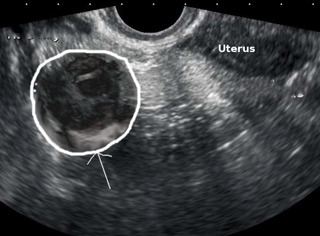
Podcast 755: Tubo-Ovarian Abscess

Podcast 755: Tubo-Ovarian Abscess

Contributor: Peter Bakes, MD Educational Pearls: Tubo-ovarian abscess is a rare complication of pelvic inflammatory disease Usually presents with chief complaint of abdominal pain and is often diagno...

14 Feb 20223min

Populært innen Vitenskap

fastlegen
tingenes-tilstand
rekommandert
jss
rss-rekommandert
villmarksliv
forskningno
sinnsyn
rss-paradigmepodden
fjellsportpodden
rss-nysgjerrige-norge
vett-og-vitenskap-med-gaute-einevoll
nevropodden
diagnose
smart-forklart
nordnorsk-historie
abid-nadia-skyld-og-skam
rss-overskuddsliv
dekodet-2
tidlose-historier