Podcast 557:  COVID-19 Lab Trends

Podcast 557: COVID-19 Lab Trends

Contributor: Don Stader, MD

Educational Pearls:

  • COVID-19 is diagnosed with a nasopharyngeal swab (q-tip). This unfortunately can be painful, but if the swab doesn't go deep into the nasal cavity the sample can be inadequate leading to false negatives (missed infections).
  • The sensitivity of the COVID-19 RT PCR test is low, ranging from 66-80% in various studies. Another study has shown 23% of patients who initially tested negative but had COVID-19 symptoms will test positive when re-tested. So test highly suspicious patients twice.

  • COVID has shown to have an effect on CBC. White blood cell counts are often normal (no leukocytosis), but there is often lymphopenia, or low lymphocytes, and thrombocytopenia. Interestingly, low platelets have appeared to have prognostic value in that lower platelets often indicate worse patient outcomes.
  • Coagulation studies are showing very elevated D-Dimers which has sparked the debate as to whether COVID-19 causes a hypercoagulable state. The increased incidence of MI/heart attacks and strokes in COVID patients supports this argument.
  • While D-Dimers can help point towards a diagnosis of pulmonary embolism, in the setting of highly likely COVID-19 infections, getting a CTA looking for a PE is probably unnecessary unless there's also suspicion for PE.
  • C-reactive protein (CRP) and procalcitonin are two common inflammatory markers. A CRP can help indicate how sick a patient is and procalcitonin can help determine if the infection is bacterial or viral in nature.
  • CRP levels are often elevated in COVID patients, and studies are showing a high CRP is linked to worse patient outcomes.
  • Elevations in procalcitonin can be used to see if there's a concomitant bacterial infection, meaning patients need antibiotics in addition to supportive care for the COVID-19.
  • Flu season is coming to a close, but data has shown a 5-10% co-infection rate of COVID-19 with influenza. As expected patient outcomes have been worse in those with both infections.

References

1) Farkas, Josh. "COVID-19." EMCrit Project, 21 Apr. 2020, emcrit.org/ibcc/covid19/#labs.

2) Guan W. et al. Clinical Characteristics of Coronavirus Disease 2019 in China. February 28, 2020, updated on March 6, 2020, at NEJM.org. DOI: 10.1056/NEJMoa2002032

3)Young BE, Ong SWX, Kalimuddin S, et al. Epidemiologic Features and Clinical Course of Patients Infected With SARS-CoV-2 in Singapore. JAMA. 2020;323(15):1488–1494. doi:10.1001/jama.2020.3204

4) Wang M. et al. Clinical diagnosis of 8274 samples with 2019-novel coronavirus in Wuhan. medRxiv 2020.02.12.20022327; doi: https://doi.org/10.1101/2020.02.12.20022327

Summarized by Jackson Roos, MS4 | Edited by Erik Verzemnieks, MD

Episoder(1146)

Podcast 754: Balanced Fluids vs. Normal Saline, The Battle Continues

Podcast 754: Balanced Fluids vs. Normal Saline, The Battle Continues

Contributor: Aaron Lessen, MD Educational Pearls: Normal saline is thought to interfere with renal function and cause an acidosis and balanced fluids (like lactated ringers) are a better option The S...

8 Feb 20223min
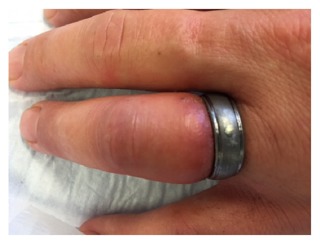
Podcast 753: Ring Cutting Raptors

Podcast 753: Ring Cutting Raptors

Contributor: Aaron Lessen, MD Educational Pearls: Techniques regarding ring removal in the ED were evaluated in a recent study which looked at using trauma shears versus the motorized ring cutters A ...

7 Feb 20222min
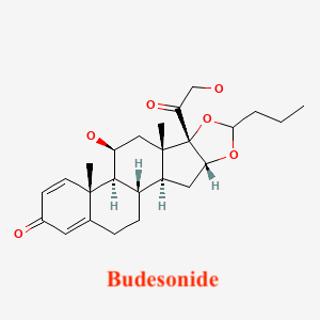
Podcast 752: Budesonide for COVID

Podcast 752: Budesonide for COVID

Contributor: Aaron Lessen, MD Educational Pearls: Recent study evaluated budesonide for outpatient COVID-19 infection treatment to see if there was a decrease in length of illness or hospitalization ...

1 Feb 20222min
Podcast 751: The Bougie Trial

Podcast 751: The Bougie Trial

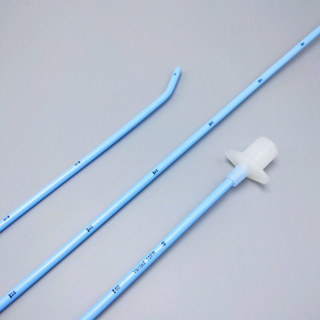
Contributor: Aaron Lessen, MD Educational Pearls: An endotracheal tube introducer or bougie are often used as a rescue device during difficult intubations as they are small and can be placed blindly ...

31 Jan 20223min
Mental Health Monthly #9: Suicide Assessment in the ED: Using the ICAR2E Tool

Mental Health Monthly #9: Suicide Assessment in the ED: Using the ICAR2E Tool

Dr. Kim Nordstrom discusses a valuable bedside tool for evidence-based assessment in patients that visit the ED and are at risk for suicidality. Dr. Nordstrom is a practicing emergency psychiatrist an...

26 Jan 20228min

Podcast 750: Take Home Naloxone

Podcast 750: Take Home Naloxone

Contributor: Aaron Lessen, MD Educational Pearls: Think about giving take home naloxone kits for anyone on long-term opioids as well as anyone with an opioid use disorder, those in opioid withdrawal,...

25 Jan 20222min

Podcast 749: PCC for Me?

Podcast 749: PCC for Me?

Contributor: Nick Tsipis, MD Educational Pearls: Prothrombin complex concentrate (Kcentra)  and Vitamin K are used to reverse life-threatening bleeds in patients on warfarin (Coumadin) Factors II, VI...

24 Jan 20224min

Podcast 748: Botulism

Podcast 748: Botulism

Contributor: Nick Hatch, MD Educational Pearls: Botulism requires a prompt clinical diagnosis as lab results can take about 5 days to return Whale blubber, honey, home fermented foods, homemade wine ...

18 Jan 20228min

Populært innen Vitenskap

fastlegen
rekommandert
tingenes-tilstand
jss
rss-rekommandert
liberal-halvtime
villmarksliv
forskningno
rss-paradigmepodden
sinnsyn
fjellsportpodden
rss-nysgjerrige-norge
vett-og-vitenskap-med-gaute-einevoll
nevropodden
diagnose
smart-forklart
dekodet-2
abid-nadia-skyld-og-skam
tidlose-historier
nordnorsk-historie