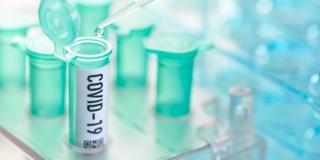

Podcast 557:  COVID-19 Lab Trends

Podcast 557: COVID-19 Lab Trends

Contributor: Don Stader, MD

Educational Pearls:

  • COVID-19 is diagnosed with a nasopharyngeal swab (q-tip). This unfortunately can be painful, but if the swab doesn't go deep into the nasal cavity the sample can be inadequate leading to false negatives (missed infections).
  • The sensitivity of the COVID-19 RT PCR test is low, ranging from 66-80% in various studies. Another study has shown 23% of patients who initially tested negative but had COVID-19 symptoms will test positive when re-tested. So test highly suspicious patients twice.

  • COVID has shown to have an effect on CBC. White blood cell counts are often normal (no leukocytosis), but there is often lymphopenia, or low lymphocytes, and thrombocytopenia. Interestingly, low platelets have appeared to have prognostic value in that lower platelets often indicate worse patient outcomes.
  • Coagulation studies are showing very elevated D-Dimers which has sparked the debate as to whether COVID-19 causes a hypercoagulable state. The increased incidence of MI/heart attacks and strokes in COVID patients supports this argument.
  • While D-Dimers can help point towards a diagnosis of pulmonary embolism, in the setting of highly likely COVID-19 infections, getting a CTA looking for a PE is probably unnecessary unless there's also suspicion for PE.
  • C-reactive protein (CRP) and procalcitonin are two common inflammatory markers. A CRP can help indicate how sick a patient is and procalcitonin can help determine if the infection is bacterial or viral in nature.
  • CRP levels are often elevated in COVID patients, and studies are showing a high CRP is linked to worse patient outcomes.
  • Elevations in procalcitonin can be used to see if there's a concomitant bacterial infection, meaning patients need antibiotics in addition to supportive care for the COVID-19.
  • Flu season is coming to a close, but data has shown a 5-10% co-infection rate of COVID-19 with influenza. As expected patient outcomes have been worse in those with both infections.

References

1) Farkas, Josh. "COVID-19." EMCrit Project, 21 Apr. 2020, emcrit.org/ibcc/covid19/#labs.

2) Guan W. et al. Clinical Characteristics of Coronavirus Disease 2019 in China. February 28, 2020, updated on March 6, 2020, at NEJM.org. DOI: 10.1056/NEJMoa2002032

3)Young BE, Ong SWX, Kalimuddin S, et al. Epidemiologic Features and Clinical Course of Patients Infected With SARS-CoV-2 in Singapore. JAMA. 2020;323(15):1488–1494. doi:10.1001/jama.2020.3204

4) Wang M. et al. Clinical diagnosis of 8274 samples with 2019-novel coronavirus in Wuhan. medRxiv 2020.02.12.20022327; doi: https://doi.org/10.1101/2020.02.12.20022327

Summarized by Jackson Roos, MS4 | Edited by Erik Verzemnieks, MD

Episoder(1146)

Podcast 664: Rabies Prophylaxis

Podcast 664: Rabies Prophylaxis

Contributor: Jared Scott, MD Educational Pearls: 1-3 cases of rabies per year in US with 55,000 people per year receiving rabies prophylaxis 90% of rabies cases come from wildlife, most commonly by ...

27 Apr 20215min

Podcast 663:  Down Syndrome

Podcast 663: Down Syndrome

Contributor:  Alicia Oberle, MD Educational Pearls: Down Syndrome with Trisomy 21 have three copies of chromosome 21 Current birth rates are around 1 in 700 births  Average life span 25 years in 1980...

26 Apr 20213min
UnfilterED #13: Dr. Nadia Tremonti

UnfilterED #13: Dr. Nadia Tremonti

This week's episode features a fascinating conversation with Dr. Nadia Tremonti, medical director for the pediatric palliative care program at Children's Hospital of Michigan in Detroit. Dr. Tremonti ...

22 Apr 20211h 3min

Podcast 662: Droperidol for Sedation

Podcast 662: Droperidol for Sedation

Contributor:  Aaron Lessen, MD Educational Pearls: Droperidol for sedation in agitated patients in the emergency department was studied compared to ziprasidone (Geodon) and lorazepam (Ativan) Double-...

21 Apr 20213min
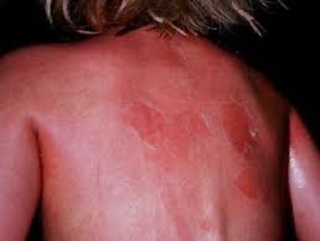
Podcast 661: Scalded Skin Syndrome

Podcast 661: Scalded Skin Syndrome

Contributor:  Ricky Dhaliwal, MD Educational Pearls: Primarily affects children Caused by staph aureus releasing exotoxins that result in erythema and sloughing of the skin Present with significant ...

20 Apr 20212min
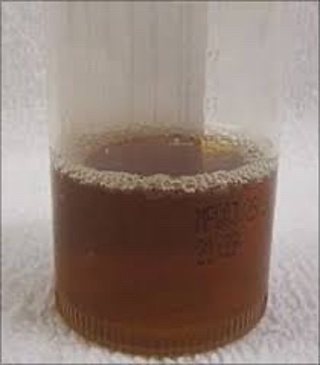
Podcast 660: Rhabdomyolysis

Podcast 660: Rhabdomyolysis

Contributor: Ricky Dhaliwal, MD Educational Pearls: Rhabdomyolysis occurs when high levels of myoglobin are released from dying muscle tissue into the blood Severe levels of myoglobin cause renal in...

19 Apr 20215min
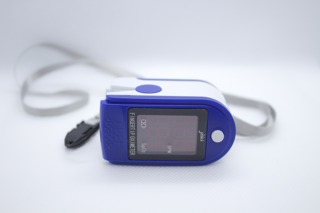
Podcast 659: Racial Bias in Pulse Oximetry

Podcast 659: Racial Bias in Pulse Oximetry

Contributor:  Aaron Lessen, MD Educational Pearls: Study in NEJM looked at occult hypoxemia, when oxygen saturation reads at >92% when the actual saturation is Rate of occult hypoxemia was 3 times h...

14 Apr 20213min
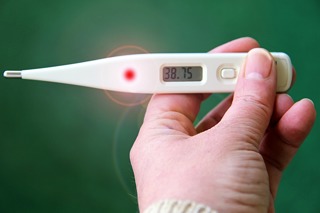
Podcast 658: Febrile Seizures

Podcast 658: Febrile Seizures

Contributor: Peter Bakes, MD Educational Pearls: Febrile Seizure clinical criteria 6 months - 5 years of age Rapid rise in temp No preexisting seizure disorder No other explanation for the seizure...

13 Apr 20214min

Populært innen Vitenskap

fastlegen
rekommandert
tingenes-tilstand
jss
rss-rekommandert
liberal-halvtime
villmarksliv
sinnsyn
rss-paradigmepodden
forskningno
fjellsportpodden
nevropodden
rss-nysgjerrige-norge
vett-og-vitenskap-med-gaute-einevoll
diagnose
dekodet-2
smart-forklart
abid-nadia-skyld-og-skam
rss-lundqvist-podden
hva-er-greia-med