
Podcast 579:  Yersinia Pestis

Podcast 579: Yersinia Pestis

Contributor: Don Stader, MD

Educational Pearls:

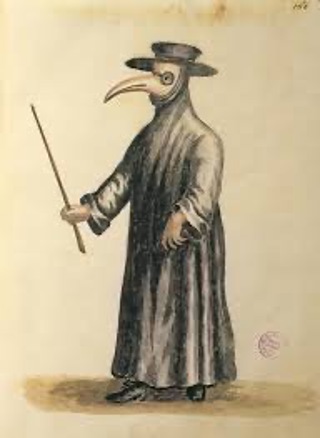
  • Yersinia Pestis is the bacteria that caused the black plague. It was first discovered to be the cause of the bubonic plague in 1800s in China during the 3rd bubonic plague where 10-20 million people died
  • Causes 3 types of plague:
    • Bubonic plague: characterized by severe swelling of lymph nodes called buboes, most commonly in the groin, also axillary and olecranon lymph nodes.
    • Septicemic plague: characterized by severe sepsis, no lymphadenopathy. This strain famously causes disseminated intravascular coagulopathy (DIC) and can lead to limb necrosis and fingers turning black. Hence the name the Black Death.
    • Pneumonic: most dangerous of the plagues and characterized by PNA on CXR with pronounced mediastinal lymphadenopathy
  • Fleas are the largest reservoir, although prairie dogs and squirrels have been known to carry the bacteria as well.
  • Yersinia Pestis creates a microfilm inside the stomach of fleas and renders them incapable of digesting your blood when they try to eat it and they vomit the bacteria into your blood.
  • Doxycycline and Ciprofloxacin are the mainstay of treatment.

References

Achtman M, Zurth K, Morelli G, Torrea G, Guiyoule A. Carniel E. Yersinia pestis, the cause of plague, is a recently emerged clone of Yersinia pseudotuberculosis. Proc Natl Acad Sci U S A. 1999. doi:10.1073/pnas.96.24.14043

Galimand M, Carniel E, Courvalin P. Resistance of Yersinia pestis to Antimicrobial Agents. Antimicrob Agents Chemother. 2006;50(10):3233 LP - 3236. doi:10.1128/AAC.00306-06

Sexton D, Stout J. Clinical Manifestations, Diagnosis, And Treatment Of Plague (Yersinia Pestis Infection). Waltham, MA: UpToDate; 2020.

Summarized by Mason Tuttle & Jackson Roos, MS4 | Edited by Erik Verzemnieks, MD


Episoder(1145)

Podcast 738: Acute Mesenteric Ischemia

Podcast 738: Acute Mesenteric Ischemia

Contributor: Ian Gillman, PA-C Educational Pearls: Acute mesenteric ischemia is a condition where bowel loses blood supply from an acute occlusion of the mesenteric arteries A frequent sign is abdomi...

14 Des 20212min

Podcast 737: TBI Outcomes

Podcast 737: TBI Outcomes

Contributor: Aaron Lessen, MD Educational Pearls: Study evaluating patient outcomes after traumatic brain injury (TBI) over 1 year Trial followed patients with severe TBI (GCS 3-8) and moderate TBI (...

13 Des 20212min

Podcast 736: Seasonal Affective Disorder

Podcast 736: Seasonal Affective Disorder

Contributor: Adam Barkin, MD Educational Pearls: Seasonal Affective Disorder (SAD) a form of seasonal depression which can result in trouble sleeping, concentration difficulties, changes in appetite,...

7 Des 20213min

Podcast 735: End Tidal CO2 and BiPAP

Podcast 735: End Tidal CO2 and BiPAP

Contributor: Aaron Lessen, MD Educational Pearls: End tidal CO2 is accurate to 1-4 mmHg in intubated patient but use with those on positive pressure ventilation like BiPAP is unclear Study looked at ...

6 Des 20212min

Podcast 734: Push Dose Antibiotics

Podcast 734: Push Dose Antibiotics

Contributor: Aaron Lessen, MD Educational Pearls: Recent study at a hospital in Chicago with a shortage of normal saline decided to push IV ceftriaxone rather than the typical infusion of the antibio...

1 Des 20212min

Podcast 733: Nitric Oxide for COVID

Podcast 733: Nitric Oxide for COVID

Contributor: Nick Hatch, MD Educational Pearls: Inhaled nitric oxide or Flolan may be considered in COVID Flolan is a prostaglandin can be inhaled or given IV These medications are classically us...

30 Nov 20215min

Podcast 732: Organophosphate Toxicity

Podcast 732: Organophosphate Toxicity

Educational Pearls: Organophosphates affect the cholinergic system by inhibiting acetylcholinesterase affecting muscarinic and nicotinic receptors Symptoms include lacrimation, salivation, bronchocon...

23 Nov 20215min

Podcast 731: Fluid Resuscitation in Burns

Podcast 731: Fluid Resuscitation in Burns

Contributor: Chris Holmes, MD Educational Pearls: Parkland Formula: 4 mL x [Total Body Surface Area Burned (%)] x [body weight (kg)] given in 24 hours 50% given over 8 hours and 50% given over the ...

22 Nov 20214min

Populært innen Vitenskap

fastlegen
tingenes-tilstand
rekommandert
jss
rss-nysgjerrige-norge
rss-rekommandert
sinnsyn
forskningno
rss-paradigmepodden
villmarksliv
vett-og-vitenskap-med-gaute-einevoll
fjellsportpodden
nordnorsk-historie
smart-forklart
rss-overskuddsliv
diagnose
abid-nadia-skyld-og-skam
aldring-og-helse-podden
pod-britannia
tidlose-historier