
Podcast 579:  Yersinia Pestis

Podcast 579: Yersinia Pestis

Contributor: Don Stader, MD

Educational Pearls:

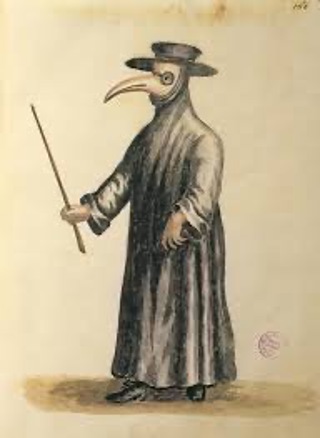
  • Yersinia Pestis is the bacteria that caused the black plague. It was first discovered to be the cause of the bubonic plague in 1800s in China during the 3rd bubonic plague where 10-20 million people died
  • Causes 3 types of plague:
    • Bubonic plague: characterized by severe swelling of lymph nodes called buboes, most commonly in the groin, also axillary and olecranon lymph nodes.
    • Septicemic plague: characterized by severe sepsis, no lymphadenopathy. This strain famously causes disseminated intravascular coagulopathy (DIC) and can lead to limb necrosis and fingers turning black. Hence the name the Black Death.
    • Pneumonic: most dangerous of the plagues and characterized by PNA on CXR with pronounced mediastinal lymphadenopathy
  • Fleas are the largest reservoir, although prairie dogs and squirrels have been known to carry the bacteria as well.
  • Yersinia Pestis creates a microfilm inside the stomach of fleas and renders them incapable of digesting your blood when they try to eat it and they vomit the bacteria into your blood.
  • Doxycycline and Ciprofloxacin are the mainstay of treatment.

References

Achtman M, Zurth K, Morelli G, Torrea G, Guiyoule A. Carniel E. Yersinia pestis, the cause of plague, is a recently emerged clone of Yersinia pseudotuberculosis. Proc Natl Acad Sci U S A. 1999. doi:10.1073/pnas.96.24.14043

Galimand M, Carniel E, Courvalin P. Resistance of Yersinia pestis to Antimicrobial Agents. Antimicrob Agents Chemother. 2006;50(10):3233 LP - 3236. doi:10.1128/AAC.00306-06

Sexton D, Stout J. Clinical Manifestations, Diagnosis, And Treatment Of Plague (Yersinia Pestis Infection). Waltham, MA: UpToDate; 2020.

Summarized by Mason Tuttle & Jackson Roos, MS4 | Edited by Erik Verzemnieks, MD


Episoder(1146)

Podcast 538:  Low Maintenance Boxer's Fracture

Podcast 538: Low Maintenance Boxer's Fracture

Contributor: Jared Scott, MD Educational Pearls: A distal 5th metacarpal neck fracture is often referred to as a "boxer's fracture" and a common fracture encountered in the emergency department Splin...

4 Feb 20202min

Podcast 537:  Thoughts on Cardiac Arrest

Podcast 537: Thoughts on Cardiac Arrest

Contributor:  Don Stader, MD Educational Pearls: High-quality compressions are an essential, and probably one of the most important, part of cardiac arrest  Actual evidence for drugs in cardiac arres...

3 Feb 20205min

UnfilterED #4: Dr. Vivek Tayal

UnfilterED #4: Dr. Vivek Tayal

Dr. Vivek Tayal of Carolinas Medical Center, a pioneer of using ultrasound in the emergency department, reflects on his role in establishing ultrasound use in emergency medicine and much more! Ultra...

29 Jan 202045min
Podcast 536:  Epistaxis 101

Podcast 536: Epistaxis 101

Contributor:  Dylan Luyten, MD Educational Pearls: Clear the nasal passages - have the patient, if stable, blow their nose to dislodge any clot that might be in the way Searching for the source of bl...

28 Jan 20208min
Podcast 535: A Prescription for Falls

Podcast 535: A Prescription for Falls

Contributor: Aaron Lessen, MD Educational Pearls: Emergency department evaluation of falls, particularly in the elderly, should include an assessment of risk factors Common causes of falls in th...

28 Jan 20202min
Mental Health Monthly #1: Decision Making Capacity

Mental Health Monthly #1: Decision Making Capacity

In the first episode of this new series, the complexities of decision making capacity are discussed. References and Further Reading: [1] Appelbaum, P. S. (2007). Assessment of patients' competence to...

22 Jan 202010min
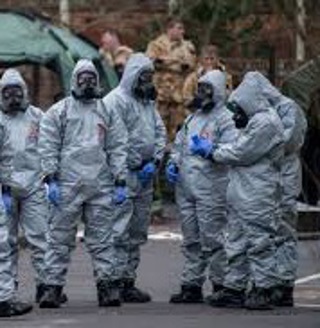
Podcast 534: Nerve Agents

Podcast 534: Nerve Agents

Author: Michael Hunt, MD Educational Pearls: Organophosphate "nerve agents" were developed in the 1930's These agents have cholinergic effects, which can be remembered by the mnemonic "SLUDGE" Sali...

21 Jan 20205min
Podcast 533:  Hypoglycemia

Podcast 533: Hypoglycemia

Contributor: Dylan Luyten, MD Educational Pearls: Insulin related hypoglycemia can vary from a brief transient effect from short-acting forms (i.e. insulin lispro) to prolonged from long acting (i.e....

20 Jan 20204min

Populært innen Vitenskap

fastlegen
rekommandert
jss
tingenes-tilstand
rss-rekommandert
villmarksliv
liberal-halvtime
sinnsyn
forskningno
rss-paradigmepodden
fjellsportpodden
nevropodden
rss-nysgjerrige-norge
diagnose
vett-og-vitenskap-med-gaute-einevoll
abid-nadia-skyld-og-skam
tidlose-historier
dekodet-2
smart-forklart
hva-er-greia-med