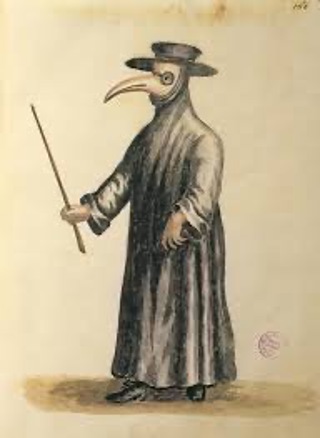

Podcast 579:  Yersinia Pestis

Podcast 579: Yersinia Pestis

Contributor: Don Stader, MD

Educational Pearls:

  • Yersinia Pestis is the bacteria that caused the black plague. It was first discovered to be the cause of the bubonic plague in 1800s in China during the 3rd bubonic plague where 10-20 million people died
  • Causes 3 types of plague:
    • Bubonic plague: characterized by severe swelling of lymph nodes called buboes, most commonly in the groin, also axillary and olecranon lymph nodes.
    • Septicemic plague: characterized by severe sepsis, no lymphadenopathy. This strain famously causes disseminated intravascular coagulopathy (DIC) and can lead to limb necrosis and fingers turning black. Hence the name the Black Death.
    • Pneumonic: most dangerous of the plagues and characterized by PNA on CXR with pronounced mediastinal lymphadenopathy
  • Fleas are the largest reservoir, although prairie dogs and squirrels have been known to carry the bacteria as well.
  • Yersinia Pestis creates a microfilm inside the stomach of fleas and renders them incapable of digesting your blood when they try to eat it and they vomit the bacteria into your blood.
  • Doxycycline and Ciprofloxacin are the mainstay of treatment.

References

Achtman M, Zurth K, Morelli G, Torrea G, Guiyoule A. Carniel E. Yersinia pestis, the cause of plague, is a recently emerged clone of Yersinia pseudotuberculosis. Proc Natl Acad Sci U S A. 1999. doi:10.1073/pnas.96.24.14043

Galimand M, Carniel E, Courvalin P. Resistance of Yersinia pestis to Antimicrobial Agents. Antimicrob Agents Chemother. 2006;50(10):3233 LP - 3236. doi:10.1128/AAC.00306-06

Sexton D, Stout J. Clinical Manifestations, Diagnosis, And Treatment Of Plague (Yersinia Pestis Infection). Waltham, MA: UpToDate; 2020.

Summarized by Mason Tuttle & Jackson Roos, MS4 | Edited by Erik Verzemnieks, MD


Episoder(1146)

Podcast 515: Non-Accidental Trauma

Podcast 515: Non-Accidental Trauma

Contributor: Jared Scott, MD Educational Pearls: Non-accidental trauma (NAT) to children is commonly missed by medical providers Try to remember TEN-4-FACES as a useful aide for concerning patterns t...

1 Nov 20194min
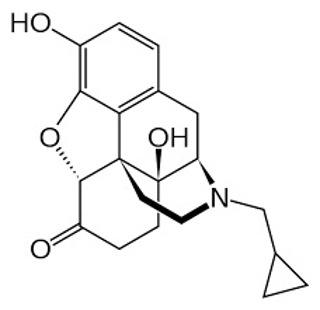
Podcast 514: Pain Control While on Naltrexone

Podcast 514: Pain Control While on Naltrexone

Author: Don Stader, MD Educational Pearls: Suboxone, methadone, and naltrexone are commonly used as treatments for opiate use disorder.  Naltrexone is a full mu-opiate receptor antagonist, making acu...

30 Okt 20192min

Podcast 513: Plague

Podcast 513: Plague

Author: John Winkler, MD Educational Pearls: The plague (black death) is caused by the Yersinia Pestis bacteria. This bacteria is spread by fleas and carried by rats. It is very contagious and only n...

27 Okt 20192min

Podcast 512: Abstinence is Bad, mmmkay?

Podcast 512: Abstinence is Bad, mmmkay?

Author: Don Stader, MD Educational Pearls: Abstinence from substances such as tobacco or alcohol are effective strategies to achieve long term sobriety However, abstinence is not an effective strateg...

22 Okt 20194min
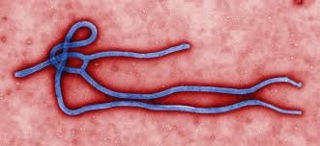
Podcast 511: Ebola Treatment

Podcast 511: Ebola Treatment

Author: Rachel Beham, PharmD Educational Pearls: There are currently many Ebola vaccines that are being studied, and one (recombinant VZV-Ebola vaccine) is currently being used in Africa. This vaccin...

17 Okt 20194min

Podcast # 510: Ebola

Podcast # 510: Ebola

Author: John Winkler, MD Educational Pearls: There is a new outbreak of Ebola in The Congo. This is likely due to civil war and rebel attacks on healthcare workers in the area. Ebola is now spreadin...

16 Okt 20193min

Podcast 509: Circadian Rhythm and Shift Work, From Z to Z

Podcast 509: Circadian Rhythm and Shift Work, From Z to Z

Contributor: Jared Scott, MD Educational Pearls: Sleep deprivation and disturbed sleep cycles increases the risk of many acute and chronic medical issues such as motor vehicle accidents, diabetes, ca...

12 Okt 201915min
Podcast 508: Are you with child?

Podcast 508: Are you with child?

Contributor: Chris Holmes, MD Educational Pearls: In ancient Egypt, pregnant women would urinate over barley and wheat seeds to help determine the sex of thier fetus, as well as if they were pregnant...

10 Okt 20194min

Populært innen Vitenskap

fastlegen
rekommandert
jss
tingenes-tilstand
rss-rekommandert
villmarksliv
liberal-halvtime
sinnsyn
forskningno
rss-paradigmepodden
fjellsportpodden
nevropodden
rss-nysgjerrige-norge
diagnose
vett-og-vitenskap-med-gaute-einevoll
abid-nadia-skyld-og-skam
tidlose-historier
dekodet-2
smart-forklart
hva-er-greia-med