Podcast 592:  Rapid Antihypertensives

Podcast 592: Rapid Antihypertensives

Contributor: Ramnik Dhaliwal, MD, JD

Educational Pearls:

  • Nitrates
    • Nitroprusside: becomes effective in under a minute, and becomes ineffective 10 minutes after stopping it.
      • Nitroprusside can metabolize into cyanide leading to toxicity, however this is rare.
    • Nitroglycerin: predominately causes vasodilation but some arterial dilation as well; preferred agent in patients with volume overload/CHF
  • Adrenergic Blocking Agents
    • Labetalol: alpha/beta-blocking agent with a rapid onset of 5 minutes or less given as bolus or intravenous drip
    • Esmolol: cardioselective beta blocker with rapid onset and short duration of action making it easily titratable
    • Hydralazine: direct arterial dilator; patient dependent response that can be unpredictable. Use with caution in patients with CAD or an aortic dissection because there will be a reflexive increase in heart rate to combat the arteriolar dilation.
  • Calcium Channel Blockers
    • Nicardipine: Given as an IV infusion starting at 5g/hr up to 15g/hr. This drug has a slower onset of action making it difficult to titrate and it has a longer serum elimination half-life (3-6 hours)
    • Clevidipine: rapid onset and short duration of action; Reduces BP without affecting cardiac filling pressures but can cause reflex tachycardia

References

)Wani-Parekh P, Blanco-Garcia C, Mendez M, Mukherjee D. Guide of Hypertensive Crisis Pharmacotherapy. Cardiovasc Hematol Disord Drug Targets. 2017;17(1):52-57. doi:10.2174/1871529X16666161220142020

Suneja M, Sanders ML. Hypertensive Emergency. Med Clin North Am. 2017;101(3):465-478. doi:10.1016/j.mcna.2016.12.007

Maloberti A, Cassano G, Capsoni N, et al. Therapeutic Approach to Hypertension Urgencies and Emergencies in the Emergency Room. High Blood Press Cardiovasc Prev. 2018;25(2):177-189. doi:10.1007/s40292-018-0261-4

Summarized by Jackson Roos, MS4 | Edited by Erik Verzemnieks, MD


Episoder(1145)

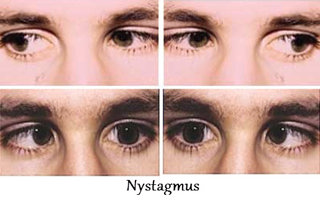
Podcast #318: Nystagmus

Podcast #318: Nystagmus

Author: Erik Verzemnieks, M.D. Educational Pearls: ● Common causes of nystagmus: Congenital disorders, CNS diseases (MS, CVA), Intoxication ● Drugs associated (ETOH, Ketamine, PCP, SSRI, MDMA, Lit...

13 Apr 20181min
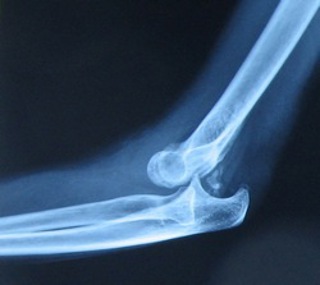
Podcast #317: Elbow Dislocation

Podcast #317: Elbow Dislocation

Author: John Winkler, M.D. Educational Pearls: ● Lower mechanisms of injury have a lower chance of an associated fracture or major ligament injury ● One major concern is having a fracture fragment i...

11 Apr 20182min

Podcast #316: Abnormalities in Alcohol Intoxication

Podcast #316: Abnormalities in Alcohol Intoxication

Author: Michael Hunt, M.D. Educational Pearls: 1% of patients presenting to ED with alcohol intoxication end up going to the ICU Most common critical illnesses were acute hypoxic respiratory fail...

9 Apr 20183min

Podcast #315: Retropharyngeal Infections in Pediatrics

Podcast #315: Retropharyngeal Infections in Pediatrics

Author: Dr. Karen Woolf, MD Educational Pearls: Anatomy : base of skull to posterior mediastinum, anteriorly bounded by middle layer of deep cervical fascia and posteriorly by the deep layer, communi...

6 Apr 20186min

Podcast #314: Psychogenic nonepileptic seizures (PNES)

Podcast #314: Psychogenic nonepileptic seizures (PNES)

Author: Gretchen Hinson, M.D. Educational Pearls: PNES vs. epilepsy: postictal state is diagnostic of an epileptic seizure (sonorous respirations and/or confusion, lasting typically 20-30 minutes);...

4 Apr 20185min

Podcast #313: Flu Screening

Podcast #313: Flu Screening

Author: Dr. Peter Bakes Educational Pearls: High risk patients: underlying lung disease, immunocompromised, extremes of age (65), underlying cardiac/renal/neurologic disease, and pregnant women Testi...

2 Apr 20187min

Podcast #312: SCIWORA

Podcast #312: SCIWORA

Author: Sam Killian, M.D. Educational Pearls: Spinal cord injury without radiographic abnormality (SCIWORA) is a diagnosis defined as traumatic injury to spine with clinical sx of traumatic myelopa...

30 Mar 20184min
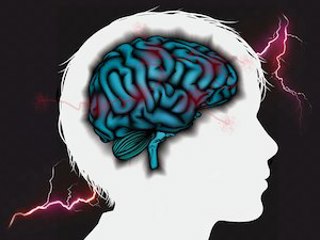
Podcast #311: Recurrence of Seizures in Pediatrics

Podcast #311: Recurrence of Seizures in Pediatrics

Author: Aaron Lessen, M.D. Educational Pearls: Recurrence rate for first time unprovoked seizures - 5% after 48 hours, 14% at 2 weeks , 30% after 4 months. Higher risk for recurrence: age under 3; pa...

28 Mar 20182min

Populært innen Vitenskap

fastlegen
tingenes-tilstand
rekommandert
jss
rss-rekommandert
rss-nysgjerrige-norge
villmarksliv
forskningno
sinnsyn
rss-paradigmepodden
fjellsportpodden
vett-og-vitenskap-med-gaute-einevoll
nordnorsk-historie
smart-forklart
rss-overskuddsliv
diagnose
abid-nadia-skyld-og-skam
abels-tarn
tomprat-med-gunnar-tjomlid
aldring-og-helse-podden