On the Streets #9: Advanced Applications of Capnography

On the Streets #9: Advanced Applications of Capnography

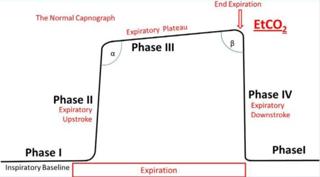
Capnography is the measurement of the partial pressure of exhaled CO2 and is an indirect measurement of your cellular respiration. It is displayed visually as a block-like waveform during the exhalation phase of respiration and monitors ventilation in real-time. Capnography is the gold standard for monitoring sedated and intubated patients in the hospital and the field and can be used in many other situations to discern more information about your patient.

Our host Jordan Ourada is joined by Dr. Eric Hill who is a board certified Emergency Physician, EMS Director for 9 agencies around Colorado, a retired military physician with the Army, former paramedic firefighter and combat veteran to discuss advanced applications of capnography to monitor a range of different patients in the pre-hospital setting. Tune in to learn how to apply capnography to monitor your patients and detect serious conditions like sepsis and DKA and initiate time-sensitive interventions that reduce mortality in patients.

Quick Educational Pearls:

  1. Normal range is between 35 - 45 mmHg
  2. Low capnography indicates they are blowing off CO2
  3. High capnography indicates they are retaining CO2
  4. Normal waveform morphology is box-like with gradual expiratory plateau after expiratory upstroke
  5. Monitor your patient's status and interpret the capnography numbers, rate and waveforms accordingly

Time Stamps

1:32 Capnography definition

6:36 Normal range

7:40 Reading capnography waveforms

12:36 Capnography monitoring in sedated/intubated patients

13:36 Intubation monitoring

18:03 VQ match vs mismatch

21:42 Asthmatic patients

24:30 Capnography cannula

26:24 Cardiac arrest uses

31:28 Acid-base physiology

37:28 Diabetic patients

40:15 COPD patients

41:42 CHF patients

45:18 Head injury patients

52:07 Sepsis detection and subsequent prehospital management

1:08:15 Closing thoughts on using capnography in the field

REFERENCES

  • Brandt, P. "Current Capnography Field Uses." JEMS. 2010, Nov.

  • DiCorpo,P.,etal."CapnographyProvidesBiggerPhysiological

    Picture to Maximize Patient Care." JEMS. 2015, Nov.

  • Eckstein,M.,etal."End-tidalCO2asapredictorofsurvivalinout-of- hospital cardiac arrest." Prehosp Disaster Med. 2011 Jun;26(3):148-50

  • Kodali,B."Physicsofcapnography."2014

  • Poste,J.,etal."Airmedicaltransportofseverelyhead-injured patients undergoing paramedic rapid sequence intubation." Air Med J. 2004 Jul-Aug;23(4):36-40

  • Davis, D., et al. "Predictors of Intubation Success and Therapeutic Value of Paramedic Airway Management in a Large, Urban EMS System." Prehospital Emergency Care. 2006: Vol. 10, Iss. 3.

  • Grmec, S. "Comparison of three different methods to confirm endotracheal tube placement in emergency intubation." Intensive Care Medicine. 2002; 28: 701-4.

  • Silvestri, et al. "The Effectiveness of out of hospital use of continuous end-tidal carbon dioxide monitoring on the rate of unrecognized misplaced intubation within a regional emergency medical services system." Ann Emerg Med. 2005; 45: 497- 503.

  • Hartman, et al. "Systematic Review and Meta- Analysis of End-Tidal Carbon Dioxide Values Associated With Return of Spontaneous Circulation During Cardiopulmonary Resuscitation." Journal Intensive Care Med. 2015, Oct;30 (7) 426-35.

  • Levine, et al. "End-tidal carbon dioxide and outcome of out-of-hospital cardiac arrest." N England J Med. 1997, Jul 31; 337(5): 301-6.

  • AHA 2015 Guidelines Update for Cardiopulmonary Resuscitation and Emergency Cardiovascular Care Science With Treatment Recommendations

  • Hunter CL, et al. "A prehospital screening tool utilizing end-tidal carbon dioxide predicts sepsis and severe sepsis." American Journal of Emergency Medicine. 2016 May; 34(5):813-819.

  • Bou Chebi, R, et al. "Diagnostic value of end tidal capnography in patients with hyperglycemia in the emergency department." BMC Emerg Med. 2016 Jan 29; 16:7

  • Soleimanpour, H, et al. "Predictive value of capnography for suspected diabetic ketoacidosis in the emergency department." West J Emerg Med. 2013;14(6): 590-4.

The Emergency Medical Minute is excited to announce that we are now offering AMA PRA Category 1 credits™ via online course modules. To access these and for more information, visit our website at www.emergencymedicalminute.com/cme-courses/ and create an account.

Episoder(1147)

Podcast #295: UTI

Podcast #295: UTI

Author: Sam Killian, M.D. Educational Pearls Traditionally, UTI diagnosis has been dependent on urine culture, urinalysis and clinical symptoms. But a recent study casts some doubt on the utility of ...

26 Jan 20184min
Podcast #294: Rhabdomyolysis

Podcast #294: Rhabdomyolysis

Author: Michael Hunt, M.D. Educational Pearls Rhabdomyolysis is caused by the destruction of skeletal muscle that leads to the release of myoglobin, which causes renal failure. It presents with pain ...

22 Jan 20183min

Podcast #293: Transient Global Amnesia

Podcast #293: Transient Global Amnesia

Author: Sam Killian, M.D. Educational Pearls Transient global amnesia is a paroxysmal, transient memory issue. Remote and immediate memory is preserved, but new memories cannot be made. Patients will...

19 Jan 20184min

Podcast #292: Hypercalcemia

Podcast #292: Hypercalcemia

Author: John Winkler, M.D. Educational Pearls Normally, the parathyroid is the master regulator of serum Ca levels. It secretes PTH, which stimulates calcium uptake from the bone and gut. Causes of ...

17 Jan 20182min
Podcast #291: Cincinnati Stroke Scale

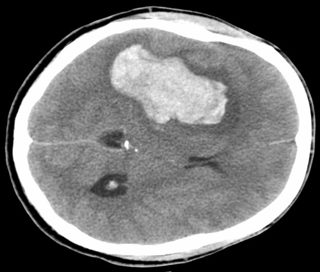
Podcast #291: Cincinnati Stroke Scale

Author: Nick Hatch, M.D. Educational Pearls The Cincinnati Stroke Scale uses 3 measures to screen for ischemic stroke. The measures are: facial asymmetry, speech quality and arm drift. This scale is ...

15 Jan 20182min
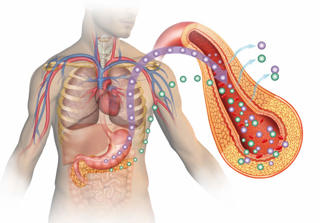
Podcast #290: The Biochemistry of DKA

Podcast #290: The Biochemistry of DKA

Author: Dave Rosenberg, M.D. Educational Pearls DKA commonly causes hyperkalemia, leading to peaked T-waves on ECG. However, DKA causes hypokalemia at the same time. In DKA, glucose cannot be taken i...

12 Jan 20186min
Podcast #289: Cannabinoid Hyperemesis

Podcast #289: Cannabinoid Hyperemesis

Author: Dylan Luyten, M.D. Educational Pearls Cannabinoid Hyperemesis syndrome is a relatively new diagnosis that presents with vomiting and abdominal pain without a clear etiology in the setting of ...

10 Jan 20183min
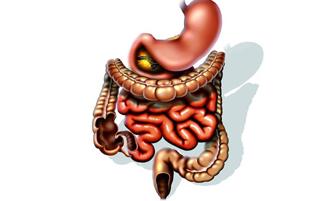
Podcast #288: Diarrhea

Podcast #288: Diarrhea

Author: Peter Bakes, M.D. Educational Pearls Chronic diarrhea is defined as 3 or more loose, watery stools lasting more than 2-3 weeks. Look for clues in the history, including travel (could suggest...

8 Jan 20187min

Populært innen Vitenskap

fastlegen
tingenes-tilstand
rekommandert
jss
liberal-halvtime
rss-rekommandert
rss-paradigmepodden
villmarksliv
sinnsyn
forskningno
pod-britannia
dekodet-2
fjellsportpodden
rss-overskuddsliv
tidlose-historier
rss-lundqvist-podden
hva-er-greia-med
rss-nysgjerrige-norge
tomprat-med-gunnar-tjomlid
noen-har-snakket-sammen