
Podcast 722: Lower Extremity Dislocations

Podcast 722: Lower Extremity Dislocations

Contributor: Donald Stader, MD

Educational Pearls:

  • Hip Dislocation
    • Prolonged dislocations can impair blood supply to femoral head
    • Hip dislocation for >6 hours puts patient at high risk for needing a hip replacement in the next two year
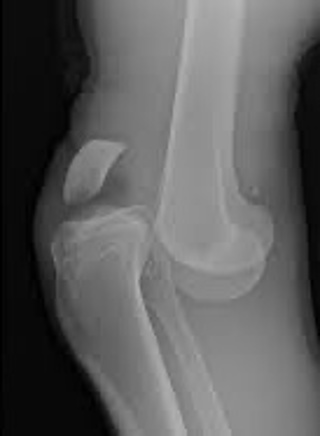
  • Knee Dislocation
    • High mechanism
    • Often looks anatomically normal on knee x-ray
    • Vascular injuries of the popliteal artery can cause significant morbidity with some studies suggesting an 80% amputation rate if not treated within 6 hours
  • Ankle Dislocation
    • Common dislocation and often co-occurs with ankle fractures (bimalleolar/trimalleolar)
    • Pressure on the skin from the displaced joint can cause skin tenting, which can lead to skin necrosis
    • Hematoma blocks work well for ankle reductions as an adjunct to or substitute for procedural sedation

References

Arnold C, Fayos Z, Bruner D, Arnold D. Managing dislocations of the hip, knee, and ankle in the emergency department. Emerg Med Pract. 2017;19(12):1-28.

Dawson-Amoah K, Raszewski J, Duplantier N, Waddell BS. Dislocation of the Hip: A Review of Types, Causes, and Treatment. Ochsner J. 2018;18(3):242-252. doi:10.31486/toj.17.0079

Patterson BM, Agel J, Swiontkowski MF, Mackenzie EJ, Bosse MJ; LEAP Study Group. Knee dislocations with vascular injury: outcomes in the Lower Extremity Assessment Project (LEAP) Study. J Trauma. 2007;63(4):855-858. doi:10.1097/TA.0b013e31806915a7

Ross A, Catanzariti AR, Mendicino RW. The hematoma block: a simple, effective technique for closed reduction of ankle fracture dislocations. J Foot Ankle Surg. 2011;50(4):507-509. doi:10.1053/j.jfas.2011.04.037

Summarized by John Spartz, MS4 | Edited by Erik Verzemnieks, MD


Episoder(1144)

Episode 904: Cardiovascular Risks of Epinephrine

Episode 904: Cardiovascular Risks of Epinephrine

Contributor: Aaron Lessen MD Educational Pearls: Epinephrine is essential in the treatment of anaphylaxis, but is epinephrine dangerous from a cardiovascular perspective? A 2024 study in the Journal o...

20 Mai 20242min

Episode 903: Treating Precipitated Opioid Withdrawal

Episode 903: Treating Precipitated Opioid Withdrawal

Contributor: Aaron Lessen MD Educational Pearls: Opioid overdoses that are reversed with naloxone (Narcan), a mu-opioid antagonist, can precipitate acute withdrawal in some patients Treatment of o...

13 Mai 20242min

Episode 902: Liver Failure and Cirrhosis

Episode 902: Liver Failure and Cirrhosis

Contributor: Travis Barlock MD Educational Pearls: How do you differentiate between compensated and decompensated cirrhosis? Use the acronym VIBE to look for signs of being decompensated. V-Volume ...

6 Mai 20243min

Episode 901: Underdosing in Status Epilepticus

Episode 901: Underdosing in Status Epilepticus

Contributor: Aaron Lessen MD Educational Pearls: Lorazepam (Ativan) is dosed at 0.1 mg/kg up to a maximum of 4 mg in status epilepticus Some ED protocols only give 2 mg initially The maximum r...

29 Apr 20242min

Episode 900: Ketamine Dosing

Episode 900: Ketamine Dosing

Contributor: Travis Barlock MD Educational Pearls: Ketamine is an NMDA receptor antagonist with a wide variety of uses in the emergency department. To dose ketamine remember the numbers 0.3, 1, and 3....

22 Apr 20242min

Episode 899: Thrombolytic Contraindications

Episode 899: Thrombolytic Contraindications

Contributor: Travis Barlock MD Educational Pearls: Thrombolytic therapy (tPA or TNK) is often used in the ED for strokes Use of anticoagulants with INR > 1.7 or  PT >15 Warfarin will reliably i...

15 Apr 20243min

Episode 898: Takotsubo Cardiomyopathy

Episode 898: Takotsubo Cardiomyopathy

Contributor: Ricky Dhaliwal, MD Educational Pearls: Takotsubo cardiomyopathy, also known as "broken heart syndrome," is a temporary heart condition that can mimic the symptoms of a heart attack, inc...

10 Apr 20243min

Episode 897: Adrenal Crisis

Episode 897: Adrenal Crisis

Contributor: Ricky Dhaliwal MD Educational Pearls: Primary adrenal insufficiency (most common risk factor for adrenal crises) An autoimmune condition commonly known as Addison's Disease Defects...

1 Apr 20244min

Populært innen Vitenskap

fastlegen
smart-forklart
tingenes-tilstand
jss
sinnsyn
rekommandert
villmarksliv
rss-rekommandert
forskningno
tomprat-med-gunnar-tjomlid
vett-og-vitenskap-med-gaute-einevoll
fjellsportpodden
rss-paradigmepodden
pod-britannia
aldring-og-helse-podden
tidlose-historier
diagnose
nordnorsk-historie
nevropodden
rss-lundqvist-podden