Podcast 742: Pulse Check During CPR

Podcast 742: Pulse Check During CPR

Contributor: Aaron Lessen, MD

Educational Pearls:

  • Pulse checks are necessary during CPR to check for return of spontaneous circulation (ROSC)
  • Previous studies have shown that assessing ROSC with palpating for pulse are not a very consistent
  • Study compared palpating pulses at carotid/femoral artery versus a newly contrived gold standard for pulse checks
  • The gold standard used was an increase in end tidal CO2 + cardiac activity on ultrasound + perfusing rhythm on ECG
  • Carotid artery palpation was the best location to confirm pulse during pulse check, although femoral artery palpation
    • Carotid artery palpation was 92% accurate versus 82% accuracy with femoral pulse check
  • Regardless of chosen site, remember 10 seconds is the maximum amount of time for a pulse check before resuming CPR

References

Yılmaz G, Bol O. Comparison of femoral and carotid arteries in terms of pulse check in cardiopulmonary resuscitation: A prospective observational study. Resuscitation. 2021;162:56-62. doi:10.1016/j.resuscitation.2021.01.042

Summarized by John Spartz, MS4 | Edited by Erik Verzemnieks, MD

The Emergency Medical Minute is excited to announce that we are now offering AMA PRA Category 1 credits™ via online course modules. To access these and for more information, visit our website at https://emergencymedicalminute.org/cme-courses/ and create an account.

Donate to EMM today!


Episoder(1145)

On the Streets #12: Salient Pre-hospital Considerations for Neurosurgical Emergencies - a Smorgasbord Part II

On the Streets #12: Salient Pre-hospital Considerations for Neurosurgical Emergencies - a Smorgasbord Part II

In this podcast, we are back again with host, Jordan Ourada, and neurosurgeon, Dr. Eddie Tsvankin as they discuss an exciting and mind-blowing array of topics pertaining to neurosurgery. Listen as Dr....

20 Okt 202147min
Podcast 722: Lower Extremity Dislocations

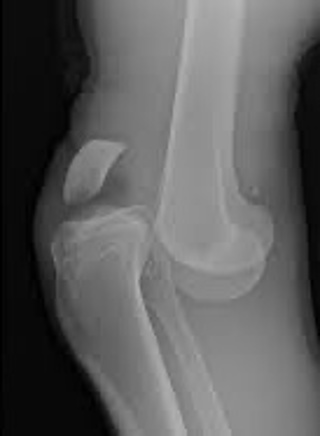
Podcast 722: Lower Extremity Dislocations

Contributor: Donald Stader, MD Educational Pearls: Hip Dislocation Prolonged dislocations can impair blood supply to femoral head Hip dislocation for >6 hours puts patient at high risk for needing ...

19 Okt 20216min

Podcast 721: Blakemore & Minnesota Tubes: Part II

Podcast 721: Blakemore & Minnesota Tubes: Part II

Contributor: Dylan Luyten, MD Educational Pearls: To place a Blakemore/Minnesota Tube: Insert into esophagus under visualization Inflate gastric port with 60 cc of air and obtain a chest xray to en...

18 Okt 20217min

On the Streets #11: Salient Pre-hospital Considerations for Neurosurgical Emergencies - a Smorgasbord

On the Streets #11: Salient Pre-hospital Considerations for Neurosurgical Emergencies - a Smorgasbord

On this episode of On The Streets, host, Jordan Ourada sits down with neurosurgeon/neurooncologist Dr. Eddie Tsvankin to discuss various topics concerning neurosurgery and how EMS workers in the field...

13 Okt 20211h 4min
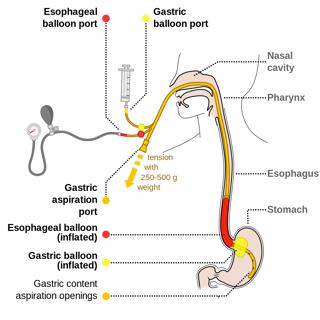
Podcast 720: Blakemore & Minnesota Tubes: Part I

Podcast 720: Blakemore & Minnesota Tubes: Part I

Contributor: Dylan Luyten, MD Educational Pearls: Minnesota Tube has an extra port for suctioning otherwise is the same as a Blakemore Tube Indicated in MASSIVE upper GI bleeding often due to esophag...

12 Okt 20215min

Podcast 719: Normal Saline vs. Tap Water for Wound Irrigation

Podcast 719: Normal Saline vs. Tap Water for Wound Irrigation

Contributor: Ricky Dhaliwal, MD Educational Pearls: Multiple RCTs and a Cochrane Review found there is no difference in wound infection rates when irrigating with tap water  Pressure of the water and...

11 Okt 20213min
Podcast 718: Renal Failure Follow Up

Podcast 718: Renal Failure Follow Up

Contributor: Aaron Lessen, MD Educational Pearls: Patients with acute renal failure often need medical management for hyperkalemia Those with severe electrolyte derangements or absent renal function ...

5 Okt 20213min
Podcast 717: A cautionary tale of renal failure

Podcast 717: A cautionary tale of renal failure

Contributor: Aaron Lessen, MD Educational Pearls: Hyperkalemia can cause EKG changes such as a widened QRS The fastest electrolyte results can be obtained off a VBG with electrolytes or point-of-car...

4 Okt 20213min

Populært innen Vitenskap

fastlegen
tingenes-tilstand
rekommandert
jss
vett-og-vitenskap-med-gaute-einevoll
rss-nysgjerrige-norge
rss-rekommandert
sinnsyn
smart-forklart
nordnorsk-historie
villmarksliv
rss-paradigmepodden
forskningno
pod-britannia
fjellsportpodden
aldring-og-helse-podden
diagnose
rss-overskuddsliv
tomprat-med-gunnar-tjomlid
tidlose-historier