Podcast 876: Sedation Pearls

Podcast 876: Sedation Pearls

Contributor: Travis Barlock MD

Educational Pearls:

Common sedatives used in the Emergency Department and a few pearls for each.

  • Propofol

    • Type: Non-barbiturate sedative hypnotic agonizing GABA receptors.

    • Benefit: Quick on and quick off (duration of action is approximately 2-7 minutes), helpful for suspected neurologic injury so the patient can wake up and be re-evaluated. Also has the benefit of reducing intracranial pressure (ICP).

    • Downsides: Hypotension, bradycardia, respiratory depression.

    • What should you do if a patient is getting hypotensive on propofol?

      • Do not stop the propofol. Start pressors. May have to reduce the propofol dose if delay in pressors.

  • Dexmedetomidine (Precedex)

    • Type: Alpha 2 agonist - causes central sedation

    • Uses: Patients are more alert and responsive and therefore can be on BiPAP instead of being intubated. Does not cause respiratory depression.

    • Downsides: Hypotension and Bradycardia.

    • Caution in using this for head injuries, its side effects can mask the Cushing reflex and make it more difficult to spot acute elevations in ICP and uncal herniation.

  • Ketamine

    • Type: NMDA antagonist and dissociative anesthetic, among other mechanisms.

    • Benefits: Quick Onset (but slower than propofol). Does not cause hypotension, but can even increase HR and BP (Thought to potentially cause hypotension if patient is catecholamine-depleted (ie. sepsis, delayed trauma)).

    • Dosing ketamine can be challenging. Typically low doses (0.1-0.3mg/kg (max ~30mg)) can give good pain relief. Higher doses (for intubation/procedural sedation) are generally thought to have a higher risk of dissociation.

    • Downsides: Emergence reactions which include hallucinations, vivid dreams, and agitation. Increased secretions.

  • Benzos

    • Type: GABA agonists.

    • Benefits: Seizure, alcohol withdrawal, agitation due to toxic overdoses.

    • Push doses are useful because doses can stack. Longer half-life than propofol.

    • Downsides: Respiratory depression. Longer half-life can make neuro assessments difficult to complete.

  • Etomidate

    • MOA: Displaces endogenous GABA inhibitors.

    • Useful as a one-time dose for quick procedures (cardioversion, intubation). Often drug of choice for intubation since it is thought to have no hemodynamic effects.

    • Downsides; If used without paralytic - myoclonus. Though to have some adrenal suppression.

  • Fentanyl

    • Type: Opioid analgesic. Not traditional sedative.

    • Benefits: There are many instances in emergency medicine in which sedation can be avoided by prioritizing proper analgesia. Fentanyl can even be used to maintain intubated patients without needing to keep them constantly sedated.

    • Downsides: Respiratory depression. Patients may have tolerance.

References

  1. Chawla N, Boateng A, Deshpande R. Procedural sedation in the ICU and emergency department. Curr Opin Anaesthesiol. 2017 Aug;30(4):507-512. doi: 10.1097/ACO.0000000000000487. PMID: 28562388.

  2. Keating GM. Dexmedetomidine: A Review of Its Use for Sedation in the Intensive Care Setting. Drugs. 2015 Jul;75(10):1119-30. doi: 10.1007/s40265-015-0419-5. PMID: 26063213.

  3. Lundström S, Twycross R, Mihalyo M, Wilcock A. Propofol. J Pain Symptom Manage. 2010 Sep;40(3):466-70. doi: 10.1016/j.jpainsymman.2010.07.001. PMID: 20816571.

  4. Matchett G, Gasanova I, Riccio CA, Nasir D, Sunna MC, Bravenec BJ, Azizad O, Farrell B, Minhajuddin A, Stewart JW, Liang LW, Moon TS, Fox PE, Ebeling CG, Smith MN, Trousdale D, Ogunnaike BO; EvK Clinical Trial Collaborators. Etomidate versus ketamine for emergency endotracheal intubation: a randomized clinical trial. Intensive Care Med. 2022 Jan;48(1):78-91. doi: 10.1007/s00134-021-06577-x. Epub 2021 Dec 14. PMID: 34904190.

  5. Mihaljević S, Pavlović M, Reiner K, Ćaćić M. Therapeutic Mechanisms of Ketamine. Psychiatr Danub. 2020 Autumn-Winter;32(3-4):325-333. doi: 10.24869/psyd.2020.325. PMID: 33370729.

  6. Nakauchi C, Miyata M, Kamino S, Funato Y, Manabe M, Kojima A, Kawai Y, Uchida H, Fujino M, Boda H. Dexmedetomidine versus fentanyl for sedation in extremely preterm infants. Pediatr Int. 2023 Jan-Dec;65(1):e15581. doi: 10.1111/ped.15581. PMID: 37428855.

Summarized by Jeffrey Olson MS2 | Edited by Jorge Chalit, OMSII

Episoder(1145)

Podcast 575:  Light on the Sedation

Podcast 575: Light on the Sedation

Contributor: Aaron Lessen, MD Educational Pearls: Studies have shown that patients who are under deeper sedation in the ICU have worse outcomes. Recent study compared lighter vs heavier sedation of p...

6 Jul 20202min
Epidemic Meets Pandemic #4: The Patient Perspective

Epidemic Meets Pandemic #4: The Patient Perspective

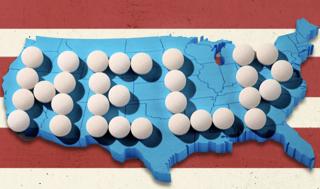
This limited series will investigate how the nation's opioid epidemic has been impacted by the COVID-19 pandemic. Over the course of this series, we will hear from a harm reductionist, an addiction me...

6 Jul 202047min

Epidemic Meets Pandemic #3: The Law Enforcement Perspective

Epidemic Meets Pandemic #3: The Law Enforcement Perspective

This limited series will investigate how the nation's opioid epidemic has been impacted by the COVID-19 pandemic. Over the course of this series, we will hear from a harm reductionist, an addiction me...

1 Jul 20201h 2min

Epidemic Meets Pandemic #2: The Addiction Medicine Perspective

Epidemic Meets Pandemic #2: The Addiction Medicine Perspective

This limited series will investigate how the nation's opioid epidemic has been impacted by the COVID-19 pandemic. Over the course of this series, we will hear from a harm reductionist, an addiction me...

30 Jun 202029min

Epidemic Meets Pandemic #1: The Harm Reductionist Perspective

Epidemic Meets Pandemic #1: The Harm Reductionist Perspective

This limited series will investigate how the nation's opioid epidemic has been impacted by the COVID-19 pandemic. Over the course of this series, we will hear from a harm reductionist, an addiction me...

29 Jun 202041min
UnfilterED Clips: A Toxicologist's Perspective on COVID-19, Biological Warfare and the Need for Disaster Preparedness

UnfilterED Clips: A Toxicologist's Perspective on COVID-19, Biological Warfare and the Need for Disaster Preparedness

Taken from 'UnfilterED #8: Dr. Christopher Hoyte'. "This current sars-coV-2 / COVID-19 situation should really be a wake-up call for not just a pandemic, but for a biological attack...One of the thing...

27 Jun 202011min

UnfilterED #8: Dr. Christopher Hoyte

UnfilterED #8: Dr. Christopher Hoyte

Dr. Chris Hoyte is an ED physician, toxicologist and researcher based in Denver, CO. He was featured in Bring Em' All: Chaos. Care. Stories from Medicine's Front Line, a book celebrating emergency phy...

24 Jun 202047min
Podcast 574:  Cyanide Toxicity

Podcast 574: Cyanide Toxicity

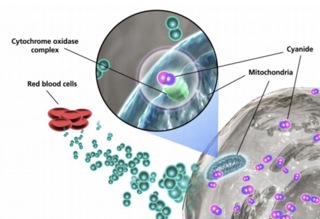
Contributor: Nick Tsipis, MD Educational Pearls: Significant cyanide exposure most commonly occurs from fire/smoke exposure particularly when plastics are involved Cyanide binds to cytochrome oxidase...

23 Jun 20205min

Populært innen Vitenskap

fastlegen
tingenes-tilstand
rekommandert
jss
rss-nysgjerrige-norge
rss-rekommandert
vett-og-vitenskap-med-gaute-einevoll
sinnsyn
forskningno
villmarksliv
nordnorsk-historie
fjellsportpodden
rss-paradigmepodden
smart-forklart
rss-overskuddsliv
aldring-og-helse-podden
diagnose
pod-britannia
tomprat-med-gunnar-tjomlid
tidlose-historier