Podcast 879: A Case of Pediatric Anaphylactic Shock

Podcast 879: A Case of Pediatric Anaphylactic Shock

Contributor: Dr. Taylor Lynch

Educational Pearls:

  • Time of arrival until intubation was 26 minutes but nobody tried anterior neck access like a cricothyrotomy until his dad arrived

  • Traditional ACLS protocol is not enough for anaphylactic respiratory arrest

    • Circulating O2 from compressions alone is not enough to sustain the brain

    • Patients need a definitive airway and endotracheal tube is the best method

    • BVM ventilation is not enough to get patients the oxygen they need

  • Time to anoxic brain injury during a respiratory arrest is 4 minutes

  • Definition of anaphylactic shock:

    • Acute laryngeal involvement with bronchospasms after known exposure to an allergen

    • Do not need to have skin symptoms like the classic wheal and flare

    • Must also have either hypotension (from vasodilation or end-organ hypoperfusion) or severe GI symptoms (crampy abdominal pain or repetitive vomiting)

  • Treatment of anaphylactic shock:

    • Push-dose IV epinephrine is better than IM epinephrine because IM epinephrine takes 4 minutes to circulate and get to the lungs

    • Ketamine has broncho-dilating properties so it can be used as an induction agent for intubation

    • Albuterol and ipratropium as continuous bronchodilators

    • Magnesium and IV steroids

  • AMAX4 acronym

    • Adrenaline, Muscle relaxant, Airway, Xtra (bronchodilators, ventilation, vasopressors, and consideration of pneumothorax), 4 minutes to anoxic brain injury

References

  1. Commins SP. Outpatient Emergencies: Anaphylaxis. Med Clin North Am. 2017;101(3):521-536. doi:10.1016/j.mcna.2016.12.003

  2. Ring J, Beyer K, Biedermann T, Bircher A, Duda D FJ et al. Guideline for acute therapy and management of anaphylaxis. S2 guideline of DGAKI, AeDA, GPA, DAAU, BVKJ, ÖGAI, SGAI, DGAI, DGP, DGPM, AGATE and DAAB. Allergo J Int. 2014;23(23):96-112.

  3. McKenzie B. AMAX4: Every Second Counts. Accessed Sunday, November 26, 2023. https://www.amax4.org/

Summarized by Jorge Chalit, OMSII | Edited by Meg Joyce & Jorge Chalit, OMSII

Episoder(1145)

On the Streets #12: Salient Pre-hospital Considerations for Neurosurgical Emergencies - a Smorgasbord Part II

On the Streets #12: Salient Pre-hospital Considerations for Neurosurgical Emergencies - a Smorgasbord Part II

In this podcast, we are back again with host, Jordan Ourada, and neurosurgeon, Dr. Eddie Tsvankin as they discuss an exciting and mind-blowing array of topics pertaining to neurosurgery. Listen as Dr....

20 Okt 202147min
Podcast 722: Lower Extremity Dislocations

Podcast 722: Lower Extremity Dislocations

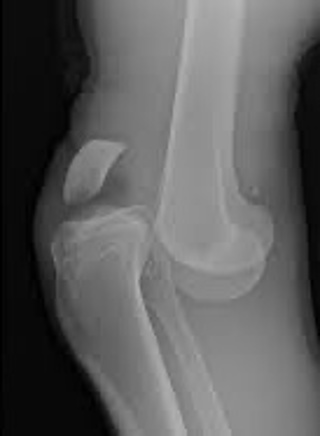
Contributor: Donald Stader, MD Educational Pearls: Hip Dislocation Prolonged dislocations can impair blood supply to femoral head Hip dislocation for >6 hours puts patient at high risk for needing ...

19 Okt 20216min

Podcast 721: Blakemore & Minnesota Tubes: Part II

Podcast 721: Blakemore & Minnesota Tubes: Part II

Contributor: Dylan Luyten, MD Educational Pearls: To place a Blakemore/Minnesota Tube: Insert into esophagus under visualization Inflate gastric port with 60 cc of air and obtain a chest xray to en...

18 Okt 20217min

On the Streets #11: Salient Pre-hospital Considerations for Neurosurgical Emergencies - a Smorgasbord

On the Streets #11: Salient Pre-hospital Considerations for Neurosurgical Emergencies - a Smorgasbord

On this episode of On The Streets, host, Jordan Ourada sits down with neurosurgeon/neurooncologist Dr. Eddie Tsvankin to discuss various topics concerning neurosurgery and how EMS workers in the field...

13 Okt 20211h 4min
Podcast 720: Blakemore & Minnesota Tubes: Part I

Podcast 720: Blakemore & Minnesota Tubes: Part I

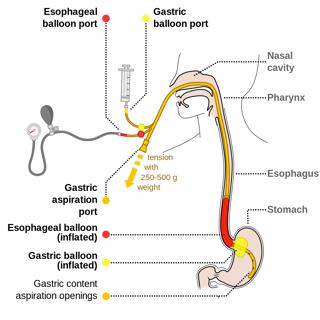
Contributor: Dylan Luyten, MD Educational Pearls: Minnesota Tube has an extra port for suctioning otherwise is the same as a Blakemore Tube Indicated in MASSIVE upper GI bleeding often due to esophag...

12 Okt 20215min

Podcast 719: Normal Saline vs. Tap Water for Wound Irrigation

Podcast 719: Normal Saline vs. Tap Water for Wound Irrigation

Contributor: Ricky Dhaliwal, MD Educational Pearls: Multiple RCTs and a Cochrane Review found there is no difference in wound infection rates when irrigating with tap water  Pressure of the water and...

11 Okt 20213min
Podcast 718: Renal Failure Follow Up

Podcast 718: Renal Failure Follow Up

Contributor: Aaron Lessen, MD Educational Pearls: Patients with acute renal failure often need medical management for hyperkalemia Those with severe electrolyte derangements or absent renal function ...

5 Okt 20213min
Podcast 717: A cautionary tale of renal failure

Podcast 717: A cautionary tale of renal failure

Contributor: Aaron Lessen, MD Educational Pearls: Hyperkalemia can cause EKG changes such as a widened QRS The fastest electrolyte results can be obtained off a VBG with electrolytes or point-of-car...

4 Okt 20213min

Populært innen Vitenskap

fastlegen
tingenes-tilstand
rekommandert
jss
rss-nysgjerrige-norge
vett-og-vitenskap-med-gaute-einevoll
rss-rekommandert
sinnsyn
forskningno
villmarksliv
nordnorsk-historie
fjellsportpodden
smart-forklart
rss-paradigmepodden
aldring-og-helse-podden
diagnose
pod-britannia
rss-overskuddsliv
abid-nadia-skyld-og-skam
tomprat-med-gunnar-tjomlid