Episode 894: DKA and HHS

Episode 894: DKA and HHS

Contributor: Ricky Dhaliwal, MD

Educational Pearls:

What are DKA and HHS?

  • DKA (Diabetic Ketoacidosis) and HHS (Hyperosmolar Hyperglycemic State) are both acute hyperglycemic states.

DKA

  • More common in type 1 diabetes.

  • Triggered by decreased circulating insulin.

    • The body needs energy but cannot use glucose because it can't get it into the cells.

    • This leads to increased metabolism of free fatty acids and the increased production of ketones.

    • The buildup of ketones causes acidosis.

    • The kidneys attempt to compensate for the acidosis by increasing diuresis.

  • These patients present as dry and altered, with sweet-smelling breath and Kussmaul (fast and deep) respirations.

HSS

  • More common in type 2 diabetes.

  • In this condition there is still enough circulating insulin to avoid the breakdown of fats for energy but not enough insulin to prevent hyperglycemia.

  • Serum glucose levels are very high – around 600 to 1200 mg/dl.

  • Also presents similarly to DKA with the patient being dry and altered.

Important labs to monitor

  • Serum glucose

  • Potassium

  • Phosphorus

  • Magnesium

  • Anion gap (Na - Cl - HCO3)

  • Renal function (Creatinine and BUN)

  • ABG/VBG for pH

  • Urinalysis and urine ketones by dipstick

Treatment

  • Identify the cause, i.e. Has the patient stopped taking their insulin?

  • Aggressive hydration with isotonic fluids.

    • Normal Saline (NS) vs Lactated Ringers (LR)?

      • LR might resolve the DKA/HHS faster with less risk of hypernatremia.

  • Should you bolus with insulin?

  • No, just start a drip.

    • 0.1-0.14 units per kg of insulin.

  • Make sure you have your potassium back before starting insulin as the insulin can shift the potassium into the cells and lead to dangerous hypokalemia.

  • Should you treat hyponatremia?

    • Make sure to correct for hyperglycemia before treating. This artificially depresses the sodium.

  • Should you give bicarb?

    • Replace if the pH < 6.9. Otherwise, it won't do anything to help.

  • Don't intubate, if the patient is breathing fast it is because they are compensating for their acidosis.

References

  1. Andrade-Castellanos, C. A., Colunga-Lozano, L. E., Delgado-Figueroa, N., & Gonzalez-Padilla, D. A. (2016). Subcutaneous rapid-acting insulin analogues for diabetic ketoacidosis. The Cochrane database of systematic reviews, 2016(1), CD011281. https://doi.org/10.1002/14651858.CD011281.pub2

  2. Chaithongdi, N., Subauste, J. S., Koch, C. A., & Geraci, S. A. (2011). Diagnosis and management of hyperglycemic emergencies. Hormones (Athens, Greece), 10(4), 250–260. https://doi.org/10.14310/horm.2002.1316

  3. Dhatariya, K. K., Glaser, N. S., Codner, E., & Umpierrez, G. E. (2020). Diabetic ketoacidosis. Nature reviews. Disease primers, 6(1), 40. https://doi.org/10.1038/s41572-020-0165-1

  4. Duhon, B., Attridge, R. L., Franco-Martinez, A. C., Maxwell, P. R., & Hughes, D. W. (2013). Intravenous sodium bicarbonate therapy in severely acidotic diabetic ketoacidosis. The Annals of pharmacotherapy, 47(7-8), 970–975. https://doi.org/10.1345/aph.1S014

  5. Modi, A., Agrawal, A., & Morgan, F. (2017). Euglycemic Diabetic Ketoacidosis: A Review. Current diabetes reviews, 13(3), 315–321. https://doi.org/10.2174/1573399812666160421121307

  6. Self, W. H., Evans, C. S., Jenkins, C. A., Brown, R. M., Casey, J. D., Collins, S. P., Coston, T. D., Felbinger, M., Flemmons, L. N., Hellervik, S. M., Lindsell, C. J., Liu, D., McCoin, N. S., Niswender, K. D., Slovis, C. M., Stollings, J. L., Wang, L., Rice, T. W., Semler, M. W., & Pragmatic Critical Care Research Group (2020). Clinical Effects of Balanced Crystalloids vs Saline in Adults With Diabetic Ketoacidosis: A Subgroup Analysis of Cluster Randomized Clinical Trials. JAMA network open, 3(11), e2024596. https://doi.org/10.1001/jamanetworkopen.2020.24596

Summarized by Jeffrey Olson MS2 | Edited by Meg Joyce & Jorge Chalit, OMSII

Episoder(1145)

Podcast 774: Maggots

Podcast 774: Maggots

Contributor: Chris Holmes, MD Educational Pearls: Maggots were discovered as a therapy to help wound healing in WWI, but this fell out of favor after the discovery of penicillin One study from Israel...

19 Apr 20225min
Podcast 773: Atrial Fibrillation Medications

Podcast 773: Atrial Fibrillation Medications

Contributor: Aaron Lessen, MD Educational Pearls: Atrial fibrillation is an irregular heart rhythm that sometimes requires rate control in setting of rapid ventricular response (RVR) Calcium channel ...

18 Apr 20223min

Podcast 772: Firearms in Suicidal Ideation

Podcast 772: Firearms in Suicidal Ideation

Contributor: Aaron Lessen, MD Educational Pearls: Firearms are a dangerous potential method of committing suicide Death occurs in about 5-15% of suicide attempts overall, but death in suicide attempt...

12 Apr 20224min
Podcast 771: Intubation in Cardiac Arrest

Podcast 771: Intubation in Cardiac Arrest

Contributor: Don Stader, MD Educational Pearls: In a secondary analysis of the PART trial, the mortality effect of timing of airway management for patients in cardiac arrest was examined Study looked...

11 Apr 20223min
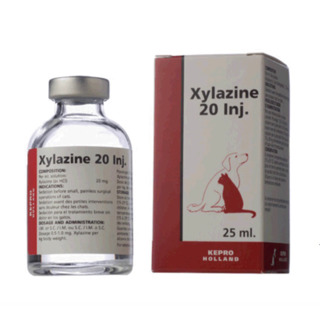
Podcast 770: Xylazine

Podcast 770: Xylazine

Contributor: Don Stader, MD Educational Pearls: Xylazine, referred to as tranq dope colloquially, is an FDA approved animal tranquilizer that is circulating in the illicit drug markets of the northea...

5 Apr 20223min
Podcast 769: Pressors After Cardiac Arrest

Podcast 769: Pressors After Cardiac Arrest

Contributor: Aaron Lessen, MD Educational Pearls: Hypotension after cardiac arrest often requires a vasopressor to improve blood pressure Recent observational study from France examined outcomes of p...

4 Apr 20223min
Mental Health Monthly #11: De-escalation: Changing Confrontation to Collaboration

Mental Health Monthly #11: De-escalation: Changing Confrontation to Collaboration

Contributor: Dr. Kimberly Nordstrom De-escalation usually takes less time than physical and chemical restraints, which leads to decreased injury to staff members, better patient trust and increased p...

30 Mar 202216min
Podcast 768: Takotsubo Cardiomyopathy

Podcast 768: Takotsubo Cardiomyopathy

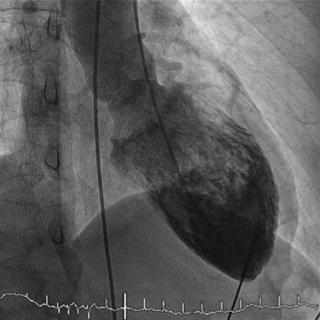
Contributor: Peter Bakes, MD Educational Pearls: 3% of cases of acute coronary syndrome are due to Takotsubo Takotsubo cardiomyopathy or "broken heart syndrome" can occur with severe physiologic or ...

29 Mar 20224min

Populært innen Vitenskap

fastlegen
smart-forklart
jss
tingenes-tilstand
villmarksliv
rekommandert
vett-og-vitenskap-med-gaute-einevoll
sinnsyn
forskningno
rss-rekommandert
fjellsportpodden
rss-paradigmepodden
tomprat-med-gunnar-tjomlid
aldring-og-helse-podden
pod-britannia
rss-nysgjerrige-norge
nordnorsk-historie
diagnose
tidlose-historier
rss-overskuddsliv