Episode 898: Takotsubo Cardiomyopathy

Episode 898: Takotsubo Cardiomyopathy

Contributor: Ricky Dhaliwal, MD

Educational Pearls:

  • Takotsubo cardiomyopathy, also known as "broken heart syndrome," is a temporary heart condition that can mimic the symptoms of a heart attack, including troponin elevations and mimic STEMI on ECG.

  • The exact cause is not fully understood, but it is often triggered by severe emotional or physical stress. The stress can lead to a surge of catecholamines which affects the heart (multivessel spasm/paralysed myocardium).

  • The name "Takotsubo" comes from the Japanese term for a type of octopus trap, as the left ventricle takes on a distinctive shape resembling this trap during systole. The LV is dilated and part of the wall becomes akenetic. These changes can be seen on ultrasound.

  • The population most at risk for Takotsubo are post-menopausal women.

  • Coronary angiography is one of the only ways to differentiate Takotsubo from other acute coronary syndromes.

  • Most people with Takotsubo cardiomyopathy recover fully.

References

  1. Amin, H. Z., Amin, L. Z., & Pradipta, A. (2020). Takotsubo Cardiomyopathy: A Brief Review. Journal of medicine and life, 13(1), 3–7. https://doi.org/10.25122/jml-2018-0067

  2. Bossone, E., Savarese, G., Ferrara, F., Citro, R., Mosca, S., Musella, F., Limongelli, G., Manfredini, R., Cittadini, A., & Perrone Filardi, P. (2013). Takotsubo cardiomyopathy: overview. Heart failure clinics, 9(2), 249–x. https://doi.org/10.1016/j.hfc.2012.12.015

  3. Dawson D. K. (2018). Acute stress-induced (takotsubo) cardiomyopathy. Heart (British Cardiac Society), 104(2), 96–102. https://doi.org/10.1136/heartjnl-2017-311579

  4. Kida, K., Akashi, Y. J., Fazio, G., & Novo, S. (2010). Takotsubo cardiomyopathy. Current pharmaceutical design, 16(26), 2910–2917. https://doi.org/10.2174/138161210793176509

Summarized by Jeffrey Olson MS2 | Edited by Jorge Chalit, OMSII

Episoder(1149)

Podcast #297: Truvada

Podcast #297: Truvada

Educational Pearls Truvada (Emtricitabine/tenofovir) is a combination nucleotide reverse transcriptase inhibitor that can be used as pre-exposure prophylaxis (PrEP) for HIV. It has been shown to dram...

31 Jan 20184min
Podcast #296: Synthetic Cannabinoids

Podcast #296: Synthetic Cannabinoids

Author: Rachael Duncan, PharmD Educational Pearls A NEJM study report in July 2016 discussed a situation in New York during which 30 people became "zombie-like" after ingesting synthetic cannabinoids...

29 Jan 20185min
Podcast #295: UTI

Podcast #295: UTI

Author: Sam Killian, M.D. Educational Pearls Traditionally, UTI diagnosis has been dependent on urine culture, urinalysis and clinical symptoms. But a recent study casts some doubt on the utility of ...

26 Jan 20184min
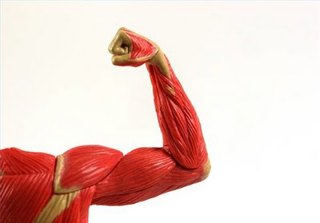
Podcast #294: Rhabdomyolysis

Podcast #294: Rhabdomyolysis

Author: Michael Hunt, M.D. Educational Pearls Rhabdomyolysis is caused by the destruction of skeletal muscle that leads to the release of myoglobin, which causes renal failure. It presents with pain ...

22 Jan 20183min

Podcast #293: Transient Global Amnesia

Podcast #293: Transient Global Amnesia

Author: Sam Killian, M.D. Educational Pearls Transient global amnesia is a paroxysmal, transient memory issue. Remote and immediate memory is preserved, but new memories cannot be made. Patients will...

19 Jan 20184min
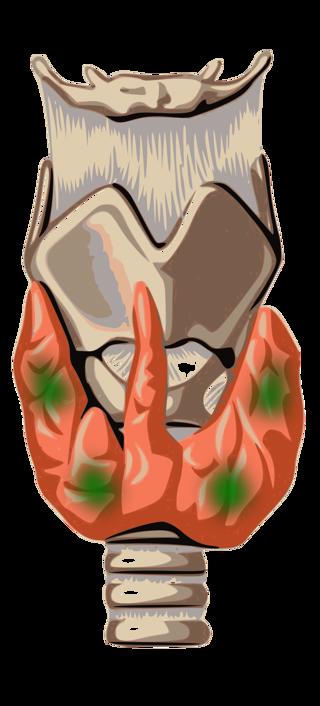
Podcast #292: Hypercalcemia

Podcast #292: Hypercalcemia

Author: John Winkler, M.D. Educational Pearls Normally, the parathyroid is the master regulator of serum Ca levels. It secretes PTH, which stimulates calcium uptake from the bone and gut. Causes of ...

17 Jan 20182min
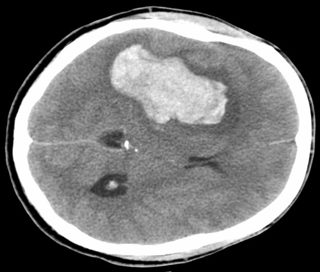
Podcast #291: Cincinnati Stroke Scale

Podcast #291: Cincinnati Stroke Scale

Author: Nick Hatch, M.D. Educational Pearls The Cincinnati Stroke Scale uses 3 measures to screen for ischemic stroke. The measures are: facial asymmetry, speech quality and arm drift. This scale is ...

15 Jan 20182min
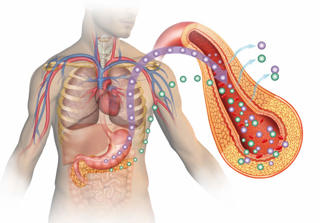
Podcast #290: The Biochemistry of DKA

Podcast #290: The Biochemistry of DKA

Author: Dave Rosenberg, M.D. Educational Pearls DKA commonly causes hyperkalemia, leading to peaked T-waves on ECG. However, DKA causes hypokalemia at the same time. In DKA, glucose cannot be taken i...

12 Jan 20186min

Populært innen Vitenskap

fastlegen
tingenes-tilstand
rekommandert
rss-nysgjerrige-norge
forskningno
sinnsyn
vett-og-vitenskap-med-gaute-einevoll
liberal-halvtime
smart-forklart
rss-rekommandert
pod-britannia
jss
fjellsportpodden
villmarksliv
rss-overskuddsliv
nevropodden
aldring-og-helse-podden
tomprat-med-gunnar-tjomlid
dekodet-2
rss-bondevennen