Episode 898: Takotsubo Cardiomyopathy

Episode 898: Takotsubo Cardiomyopathy

Contributor: Ricky Dhaliwal, MD

Educational Pearls:

  • Takotsubo cardiomyopathy, also known as "broken heart syndrome," is a temporary heart condition that can mimic the symptoms of a heart attack, including troponin elevations and mimic STEMI on ECG.

  • The exact cause is not fully understood, but it is often triggered by severe emotional or physical stress. The stress can lead to a surge of catecholamines which affects the heart (multivessel spasm/paralysed myocardium).

  • The name "Takotsubo" comes from the Japanese term for a type of octopus trap, as the left ventricle takes on a distinctive shape resembling this trap during systole. The LV is dilated and part of the wall becomes akenetic. These changes can be seen on ultrasound.

  • The population most at risk for Takotsubo are post-menopausal women.

  • Coronary angiography is one of the only ways to differentiate Takotsubo from other acute coronary syndromes.

  • Most people with Takotsubo cardiomyopathy recover fully.

References

  1. Amin, H. Z., Amin, L. Z., & Pradipta, A. (2020). Takotsubo Cardiomyopathy: A Brief Review. Journal of medicine and life, 13(1), 3–7. https://doi.org/10.25122/jml-2018-0067

  2. Bossone, E., Savarese, G., Ferrara, F., Citro, R., Mosca, S., Musella, F., Limongelli, G., Manfredini, R., Cittadini, A., & Perrone Filardi, P. (2013). Takotsubo cardiomyopathy: overview. Heart failure clinics, 9(2), 249–x. https://doi.org/10.1016/j.hfc.2012.12.015

  3. Dawson D. K. (2018). Acute stress-induced (takotsubo) cardiomyopathy. Heart (British Cardiac Society), 104(2), 96–102. https://doi.org/10.1136/heartjnl-2017-311579

  4. Kida, K., Akashi, Y. J., Fazio, G., & Novo, S. (2010). Takotsubo cardiomyopathy. Current pharmaceutical design, 16(26), 2910–2917. https://doi.org/10.2174/138161210793176509

Summarized by Jeffrey Olson MS2 | Edited by Jorge Chalit, OMSII

Episoder(1146)

Podcast #221: Walking Corpse Syndrome

Podcast #221: Walking Corpse Syndrome

Podcast #221: Walking Corpse Syndrome Author: Erik Verzemnieks, M.D. Educational Pearls Walking Corpse Syndrome (aka Cotard Delusion) is a very rare psychiatric disorder that leads to the belief that...

25 Jun 20171min
Podcast #220: A-Fib Cardioversion

Podcast #220: A-Fib Cardioversion

Author: Aaron Lessen, M.D. Educational Pearls Atrial fibrillation is common. One of the best treatments for a fib is cardioversion back into sinus rhythm. Cardioversion may increase stroke risk if A-...

23 Jun 20172min
Podcast #219: History of Sepsis

Podcast #219: History of Sepsis

Author: Chris Holmes, M.D. Educational Pearls "Sepo' is a term from Homer (author of The Iliad and The Odyssey), and means "I rot". Hippocrates in 400 BC identified sepsis as a "dangerous decay withi...

21 Jun 20176min

Podcast #218: Estimating Pediatric Weight

Podcast #218: Estimating Pediatric Weight

Author: Aaron Lessen, M.D. Educational Pearls Asking parents and Broselow Tape are common options for estimating pediatric weight. Equipment sizes should not be adjusted for under/overweight kids bas...

19 Jun 20172min
Podcast #217: Designer Drugs

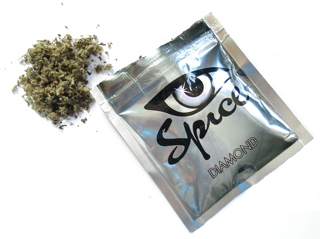
Podcast #217: Designer Drugs

Author: John Winkler, M.D. Educational Pearls: Designer, or "synthetic" drugs include bath salts, synthetic THC, and many others. Many of these drugs are originally manufactured in China and are ship...

17 Jun 20173min
Podcast #216: Roller Coasters and Kidney Stones

Podcast #216: Roller Coasters and Kidney Stones

Author: Aaron Lessen, M.D. Educational Pearls: Anecdotal evidence suggests that roller coasters may help with kidney stones. A recent study used a model of a kidney and ureter with different sized s...

13 Jun 20171min

Opioid MIniseries Part IV: Harm Reduction

Opioid MIniseries Part IV: Harm Reduction

PRACTICE RECOMMENDATIONS 1. Patients who abuse opioids should be managed without judgement; addiction is a medical condition and not a moral failing. Caregivers should endeavor to meet patients "where...

8 Jun 201748min
Opioid Miniseries Part III: Alternative to Opioids

Opioid Miniseries Part III: Alternative to Opioids

PRACTICE RECOMMENDATIONS 1. All emergency departments should implement ALTO programs and provide opioid-free pain treatment pathways for the following conditions: a. Acute on chronic opioid-tolerant r...

8 Jun 201749min

Populært innen Vitenskap

fastlegen
tingenes-tilstand
rekommandert
jss
rss-rekommandert
rss-nysgjerrige-norge
villmarksliv
forskningno
sinnsyn
rss-paradigmepodden
fjellsportpodden
vett-og-vitenskap-med-gaute-einevoll
nordnorsk-historie
smart-forklart
rss-overskuddsliv
diagnose
abid-nadia-skyld-og-skam
abels-tarn
tomprat-med-gunnar-tjomlid
aldring-og-helse-podden