Episode 898: Takotsubo Cardiomyopathy

Episode 898: Takotsubo Cardiomyopathy

Contributor: Ricky Dhaliwal, MD

Educational Pearls:

  • Takotsubo cardiomyopathy, also known as "broken heart syndrome," is a temporary heart condition that can mimic the symptoms of a heart attack, including troponin elevations and mimic STEMI on ECG.

  • The exact cause is not fully understood, but it is often triggered by severe emotional or physical stress. The stress can lead to a surge of catecholamines which affects the heart (multivessel spasm/paralysed myocardium).

  • The name "Takotsubo" comes from the Japanese term for a type of octopus trap, as the left ventricle takes on a distinctive shape resembling this trap during systole. The LV is dilated and part of the wall becomes akenetic. These changes can be seen on ultrasound.

  • The population most at risk for Takotsubo are post-menopausal women.

  • Coronary angiography is one of the only ways to differentiate Takotsubo from other acute coronary syndromes.

  • Most people with Takotsubo cardiomyopathy recover fully.

References

  1. Amin, H. Z., Amin, L. Z., & Pradipta, A. (2020). Takotsubo Cardiomyopathy: A Brief Review. Journal of medicine and life, 13(1), 3–7. https://doi.org/10.25122/jml-2018-0067

  2. Bossone, E., Savarese, G., Ferrara, F., Citro, R., Mosca, S., Musella, F., Limongelli, G., Manfredini, R., Cittadini, A., & Perrone Filardi, P. (2013). Takotsubo cardiomyopathy: overview. Heart failure clinics, 9(2), 249–x. https://doi.org/10.1016/j.hfc.2012.12.015

  3. Dawson D. K. (2018). Acute stress-induced (takotsubo) cardiomyopathy. Heart (British Cardiac Society), 104(2), 96–102. https://doi.org/10.1136/heartjnl-2017-311579

  4. Kida, K., Akashi, Y. J., Fazio, G., & Novo, S. (2010). Takotsubo cardiomyopathy. Current pharmaceutical design, 16(26), 2910–2917. https://doi.org/10.2174/138161210793176509

Summarized by Jeffrey Olson MS2 | Edited by Jorge Chalit, OMSII

Episoder(1145)

Podcast #201: Task Interruption

Podcast #201: Task Interruption

Author: Mark Kozlowski M.D. Educational Pearls: Humans cannot "multitask" effectively - a more accurate term is "task interruption." When doing more than one task at once, we are more likely to forge...

8 Mai 20173min
Podcast #200: Non-traumatic Back Pain

Podcast #200: Non-traumatic Back Pain

Author: Don Stader M.D. Educational Pearls: Non-traumatic back pain is a very common complaint in the Emergency Department. Conditions that can manifest with back pain include: ruptured abdominal aor...

6 Mai 20172min
Podcast #199: Prolonged QT with Zofran

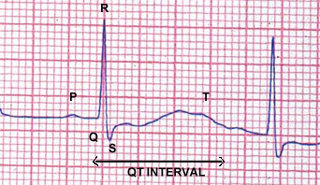
Podcast #199: Prolonged QT with Zofran

Author: Arthur Lessen M.D. Educational Pearls: Zofran (ondansetron) is generally safe to use for the treatment of nausea and vomiting. However, it can prolong the QT interval and increase the chance ...

4 Mai 20173min

Podcast #198: Imodium

Podcast #198: Imodium

Author: Aaron Lessen M.D. Educational Pearls: Imodium (loperamide) is a mu-opioid receptor agonist. Traditionally, it is used as an anti-diarrheal. It is also abused recreationally for an opioid high...

2 Mai 20173min
Podcast #197: Ashman Phenomenon

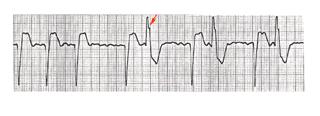
Podcast #197: Ashman Phenomenon

Author: Dylan Luyten M.D. Educational Pearls: Ashman's Phenomenon occurs in the setting atrial fibrillation and mimics ventricular tachycardia, but is harmless. On ECG, the pattern of Ashman Phenomen...

30 Apr 20171min
Podcast #196: DVT and May-Thurner Syndrome

Podcast #196: DVT and May-Thurner Syndrome

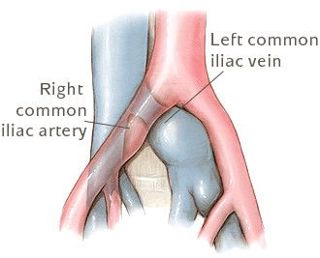
Author: Samuel Killian M.D. Educational Pearls: Lower extremity DVTs are extremely common. There are more left lower extremity DVT due to anatomical variation. May-Thurner Syndrome is a form of anato...

28 Apr 20172min

Podcast #195: How to Properly Inject Heroin

Podcast #195: How to Properly Inject Heroin

Author: Don Stader, M.D Educational Pearls: It is important for providers to know how to use IV drugs properly so that they can instruct their patients on how to avoid injury. Heroin use is increasin...

26 Apr 20177min
Podcast #194: Atruamatic ICH

Podcast #194: Atruamatic ICH

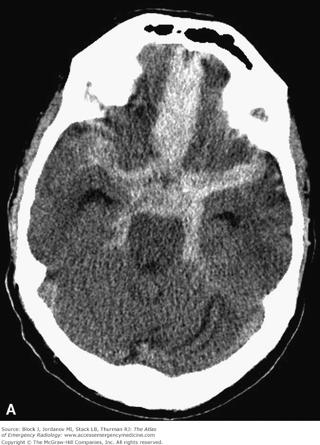
Author: Peter Bakes, M.D Educational Pearls Intracerebral hemorrhage is an intracranial bleed within the brain tissue or ventricles. Subarachnoid aneurysm causes about 50% of all ICH. Amyloid deposit...

24 Apr 20179min

Populært innen Vitenskap

fastlegen
tingenes-tilstand
rekommandert
jss
rss-rekommandert
rss-nysgjerrige-norge
villmarksliv
forskningno
sinnsyn
rss-paradigmepodden
fjellsportpodden
vett-og-vitenskap-med-gaute-einevoll
nordnorsk-historie
smart-forklart
rss-overskuddsliv
diagnose
abid-nadia-skyld-og-skam
abels-tarn
tomprat-med-gunnar-tjomlid
aldring-og-helse-podden