
Episode 900: Ketamine Dosing

Episode 900: Ketamine Dosing

Contributor: Travis Barlock MD

Educational Pearls:

Ketamine is an NMDA receptor antagonist with a wide variety of uses in the emergency department. To dose ketamine remember the numbers 0.3, 1, and 3.

Pain dose

  • For acute pain relief administer 0.3 mg/kg of ketamine IV over 10-20 minutes (max of 30 mg).

  • Note: There is evidence that a lower dose of 0.1-0.15 mg/kg can be just as effective.

Dissociative dose

  • To use ketamine as an induction agent for intubation or for procedural sedation administer 1 mg/kg IV over 1-2 minutes.

IM for acute agitation

  • If a patient is out of control and a danger to themselves or others, administer 3 mg/kg intramuscularly (max 500 mg).

  • If you are giving IM ketamine it has to be in the concentrated 100 mg/ml vial.

Additional pearls

  • Pushing ketamine too quickly can cause laryngospasm.

  • Between .3 and 1 mg/kg is known as the recreational dose. You want to avoid this range because this is where ketamine starts to pick up its dissociative effects and can cause unpleasant and intense hallucinations. This is colloquially known as being in the "k-hole".

References

  1. Gao, M., Rejaei, D., & Liu, H. (2016). Ketamine use in current clinical practice. Acta pharmacologica Sinica, 37(7), 865–872. https://doi.org/10.1038/aps.2016.5

  2. Lin, J., Figuerado, Y., Montgomery, A., Lee, J., Cannis, M., Norton, V. C., Calvo, R., & Sikand, H. (2021). Efficacy of ketamine for initial control of acute agitation in the emergency department: A randomized study. The American journal of emergency medicine, 44, 306–311. https://doi.org/10.1016/j.ajem.2020.04.013

  3. Stirling, J., & McCoy, L. (2010). Quantifying the psychological effects of ketamine: from euphoria to the k-Hole. Substance use & misuse, 45(14), 2428–2443. https://doi.org/10.3109/10826081003793912

Summarized by Jeffrey Olson MS2 | Edited by Jorge Chalit, OMS II

Episoder(1155)

On the Streets #3: COVID-19

On the Streets #3: COVID-19

In this special edition of our On the Streets podcast, we discuss COVID-19 as well as what first responders and emergency providers need to know to keep themselves and their patients safe during this ...

19 Mar 202020min
Podcast 550: Good ol' Versed

Podcast 550: Good ol' Versed

Contributor: Sam Killian, MD Educational Pearls: Agitation can be due to a number of causes, but regardless of the cause, sedation often plays a key role in patient and provider safety. But what is t...

17 Mar 20204min

Podcast 549:  Just Use Epineprhine

Podcast 549: Just Use Epineprhine

Contributor: Sam Killian, MD Educational Pearls: Classic dogma teaching that epinephrine should not be used in the fingers, nose, penis, and toes when performing local anesthesia due to concerns for ...

16 Mar 20203min

On the Streets #2: Neurological Deficits

On the Streets #2: Neurological Deficits

Part 1 of 2: Dr. Adam Graham dishes out the essentials of identifying concerning neurological deficits on the scene, predicting what they mean and how to best care for patients with neurological defic...

11 Mar 202020min
Podcast 548:  Adrenal Crisis

Podcast 548: Adrenal Crisis

Contributor: Nick Tsipis, MD Educational Pearls: Congenital adrenal hyperplasia (CAH) is a group of enzyme deficiencies in the adrenals leading to a deficiency of hormones normally synthesized by the...

10 Mar 20205min
Podcast 547: Capsaicin Cream to the Rescue

Podcast 547: Capsaicin Cream to the Rescue

Author: Aaron Lessen, MD Educational Pearls: A recent retrospective study looked capsaicin cream in treating cannabinoid hyperemesis syndrome in regards to length of stay, cost analysis, use of rescu...

9 Mar 20201min
Podcast 546: Complete Heart Block

Podcast 546: Complete Heart Block

Author: Jared Scott, MD Educational Pearls: Differentiating symptomatic bradycardia from asymptomatic may be essential in determining workup and treatment Airway, breath, circulation always hold true...

3 Mar 20203min
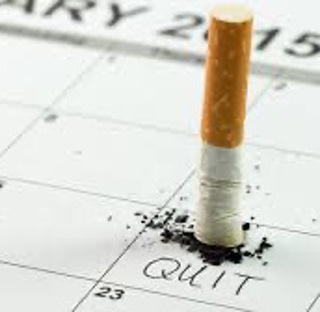
Podcast 545: So You Quit Smoking… Now What?

Podcast 545: So You Quit Smoking… Now What?

Author: Aaron Lessen, MD Educational Pearls: New data shows within 5 years of smoking cessation, the risk of cardiovascular disease becomes half of those who continue to smoke After 10-15 years of c...

2 Mar 20201min

Populært innen Vitenskap

fastlegen
tingenes-tilstand
jss
rekommandert
forskningno
sinnsyn
villmarksliv
rss-paradigmepodden
liberal-halvtime
rss-nysgjerrige-norge
tomprat-med-gunnar-tjomlid
nevropodden
fjellsportpodden
diagnose
tidlose-historier
kvinnehelsepodden
rss-inn-til-kjernen-med-sunniva-rose
psykopoden
dekodet-2
rss-rekommandert