Episode 902: Liver Failure and Cirrhosis

Episode 902: Liver Failure and Cirrhosis

Contributor: Travis Barlock MD

Educational Pearls:

How do you differentiate between compensated and decompensated cirrhosis?

Use the acronym VIBE to look for signs of being decompensated.

  • V-Volume

    • Cirrhosis can cause volume overload through a variety of mechanisms such as by increasing pressure in the portal vein system and the decreased production of albumin.

    • Look for pulmonary edema (dyspnea, orthopnea, wheezing/crackles, coughing up frothy pink sputum, etc.) or a tense abdomen.

  • I-Infection

    • The ascitic fluid can become infected with bacteria, a complication called Spontaneous Bacterial Peritonitis (SBP).

    • Look for abdominal pain, fever, hypotension, and tachycardia. Diagnosis is made with ascitic fluid cell analyses (polymorphonuclear neutrophils >250/mm3)

  • B-Bleeding

    • Another consequence of increased portal pressure is that blood backs up into smaller blood vessels, including those in the esophagus.

    • Over time, this increased pressure can result in the development of dilated, fragile veins called esophageal varices, which are prone to bleeding.

    • Look for hematemesis, melena, lightheadedness, and pale skin.

  • E-Encephalopathy

    • A failing liver also does not clear toxins which can affect the brain.

    • Look for asterixis (flapping motion of the hands when you tell the patient to hold their hands up like they are going to stop a bus)

Other complications to look out for.

  • Hepatorenal syndrome

  • Hepatopulmonary syndrome

References

  1. Engelmann, C., Clària, J., Szabo, G., Bosch, J., & Bernardi, M. (2021). Pathophysiology of decompensated cirrhosis: Portal hypertension, circulatory dysfunction, inflammation, metabolism and mitochondrial dysfunction. Journal of hepatology, 75 Suppl 1(Suppl 1), S49–S66. https://doi.org/10.1016/j.jhep.2021.01.002

  2. Enomoto, H., Inoue, S., Matsuhisa, A., & Nishiguchi, S. (2014). Diagnosis of spontaneous bacterial peritonitis and an in situ hybridization approach to detect an "unidentified" pathogen. International journal of hepatology, 2014, 634617. https://doi.org/10.1155/2014/634617

  3. Mansour, D., & McPherson, S. (2018). Management of decompensated cirrhosis. Clinical medicine (London, England), 18(Suppl 2), s60–s65. https://doi.org/10.7861/clinmedicine.18-2-s60

Summarized by Jeffrey Olson MS2 | Edited by Meg Joyce & Jorge Chalit, OMS II

Episoder(1146)

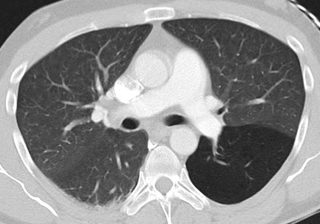
Podcast #271: Nexus Chest CT Scan Guidelines

Podcast #271: Nexus Chest CT Scan Guidelines

Author: Chris Holmes, M.D. Educational Pearls The nexus chest CT scan rule is based on an 11,000 subject, multicenter study that looked for signs following a trauma that predicted significant finding...

13 Nov 20173min
Podcast #270: Wound Botulism

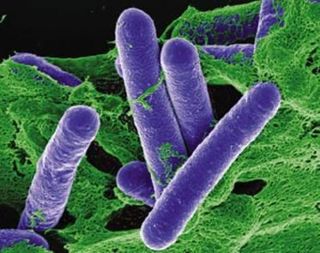
Podcast #270: Wound Botulism

Author: Don Stader, M.D. Educational Pearls Wound botulism should be considered in patients with cutaneous lesions and neuromuscular weakness. The toxin produced by clostridium botulinum is the c...

10 Nov 20173min

Podcast #269: Tattoo Ink Complications

Podcast #269: Tattoo Ink Complications

Author: Michael Hunt, M.D. Educational Pearls Tattoo ink is applied below the skin, and because of this, they can lead to keloids, granulomas, tetanus, hepatitis B and C, and skin infections. Tattoo...

8 Nov 20174min
Podcast #268: Poiseuille's Law

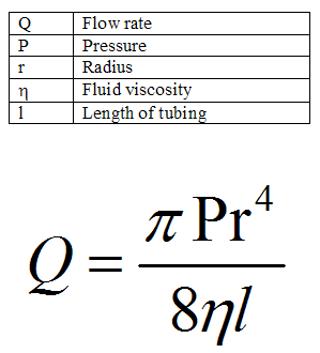
Podcast #268: Poiseuille's Law

Author: Dave Rosenberg, M.D. Educational Pearls Poiseuille's Law addresses the flow of a fluid through a tube. Many common ED presentations involve alterations in flow: asthma, MI, ischemic stroke, ...

6 Nov 20176min

Podcast #267: Causes of Very High Lactate

Podcast #267: Causes of Very High Lactate

Author: Dylan Luyten, M.D. Educational Pearls Lactate is a byproduct of anaerobic metabolism, a sign of dying tissue. Dangerous causes of high lactates will not normalize with repeat labs. Crush inju...

3 Nov 20173min
Podcast #266: MI in Young Patients

Podcast #266: MI in Young Patients

Author: John Winkler, M.D. Educational Pearls Some risk factors for MI in the young are history of CAD, stimulant drug use, coronary spasm and diabetes. In those with diffuse ST elevations on EKG, th...

1 Nov 20171min
Podcast #265: The 2017 Flu Vaccine

Podcast #265: The 2017 Flu Vaccine

Author: Rachel Beham, PharmD, Advanced Clinical Pharmacist - Emergency Medicine Educational Pearls CDC recommends using the inactivated, injectable flu vaccine in those 6 months and older. The live a...

30 Okt 20174min
Podcast #264: Witnessed Cardiac Arrest

Podcast #264: Witnessed Cardiac Arrest

Author: Aaron Lessen, M.D. Educational Pearls For patients with in-hospital cardiac arrest, intubation in the 1st 15 minutes of resuscitation was associated with worse outcomes (mortality, neurologic...

27 Okt 20172min

Populært innen Vitenskap

fastlegen
tingenes-tilstand
rekommandert
jss
rss-rekommandert
villmarksliv
forskningno
sinnsyn
rss-paradigmepodden
fjellsportpodden
rss-nysgjerrige-norge
vett-og-vitenskap-med-gaute-einevoll
nevropodden
diagnose
smart-forklart
nordnorsk-historie
abid-nadia-skyld-og-skam
rss-overskuddsliv
dekodet-2
tidlose-historier