
Episode 902: Liver Failure and Cirrhosis

Episode 902: Liver Failure and Cirrhosis

Contributor: Travis Barlock MD

Educational Pearls:

How do you differentiate between compensated and decompensated cirrhosis?

Use the acronym VIBE to look for signs of being decompensated.

  • V-Volume

    • Cirrhosis can cause volume overload through a variety of mechanisms such as by increasing pressure in the portal vein system and the decreased production of albumin.

    • Look for pulmonary edema (dyspnea, orthopnea, wheezing/crackles, coughing up frothy pink sputum, etc.) or a tense abdomen.

  • I-Infection

    • The ascitic fluid can become infected with bacteria, a complication called Spontaneous Bacterial Peritonitis (SBP).

    • Look for abdominal pain, fever, hypotension, and tachycardia. Diagnosis is made with ascitic fluid cell analyses (polymorphonuclear neutrophils >250/mm3)

  • B-Bleeding

    • Another consequence of increased portal pressure is that blood backs up into smaller blood vessels, including those in the esophagus.

    • Over time, this increased pressure can result in the development of dilated, fragile veins called esophageal varices, which are prone to bleeding.

    • Look for hematemesis, melena, lightheadedness, and pale skin.

  • E-Encephalopathy

    • A failing liver also does not clear toxins which can affect the brain.

    • Look for asterixis (flapping motion of the hands when you tell the patient to hold their hands up like they are going to stop a bus)

Other complications to look out for.

  • Hepatorenal syndrome

  • Hepatopulmonary syndrome

References

  1. Engelmann, C., Clària, J., Szabo, G., Bosch, J., & Bernardi, M. (2021). Pathophysiology of decompensated cirrhosis: Portal hypertension, circulatory dysfunction, inflammation, metabolism and mitochondrial dysfunction. Journal of hepatology, 75 Suppl 1(Suppl 1), S49–S66. https://doi.org/10.1016/j.jhep.2021.01.002

  2. Enomoto, H., Inoue, S., Matsuhisa, A., & Nishiguchi, S. (2014). Diagnosis of spontaneous bacterial peritonitis and an in situ hybridization approach to detect an "unidentified" pathogen. International journal of hepatology, 2014, 634617. https://doi.org/10.1155/2014/634617

  3. Mansour, D., & McPherson, S. (2018). Management of decompensated cirrhosis. Clinical medicine (London, England), 18(Suppl 2), s60–s65. https://doi.org/10.7861/clinmedicine.18-2-s60

Summarized by Jeffrey Olson MS2 | Edited by Meg Joyce & Jorge Chalit, OMS II

Episoder(1149)

Deep Dive #8: Wintertime Wilderness Medicine

Deep Dive #8: Wintertime Wilderness Medicine

Author: John Winkler, M.D. Dr. Winkler shares his knowledge of wilderness medicine and provides insight on how to prevent and treat conditions such as hypothermia, frostbite and sun blindness. More im...

18 Des 201729min
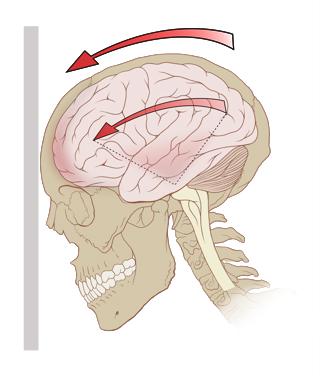
Podcast #281: Intracranial Hemorrhage Treatment

Podcast #281: Intracranial Hemorrhage Treatment

Podcast #281: Intracranial Hemorrhage Treatment Author: Don Stader, M.D. Educational Pearls Types of traumatic bleeds include subdural, epidural, and subarachnoid. Treatment for a traumatic bleed inc...

15 Des 20172min

Podcast #280: Isolated Aphasia in Stroke

Podcast #280: Isolated Aphasia in Stroke

Author: Aaron Lessen, M.D. Educational Pearls Patients with an ischemic stroke from occlusion of the left middle cerebral artery often present with aphasia in addition to other neurological deficits....

11 Des 20171min
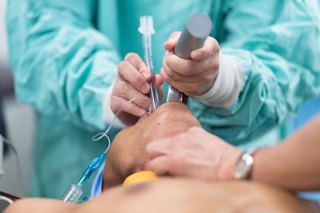
Podcast #279: Sedation After Intubation

Podcast #279: Sedation After Intubation

Author: Aaron Lessen, M.D. Educational Pearls Post-intubation care should always include pain control and adequate sedation. Commonly used sedation agents include propofol, ketamine and versed. Howev...

8 Des 20171min
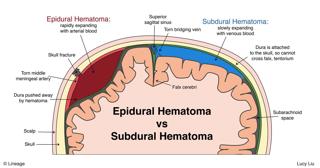
Podcast #278: Subdural Hematomas

Podcast #278: Subdural Hematomas

Educational Pearls Subdural hematomas can happen in the elderly because of brain atrophy, and can manifest with neurological deficit. Subdural hematomas are caused by rupture of the bridging veins of...

6 Des 20172min
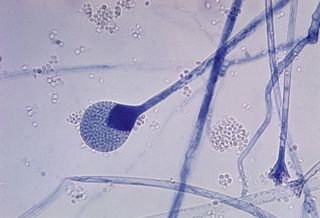
Podcast #277: Mucor

Podcast #277: Mucor

Author: Don Stader, M.D. Educational Pearls Mucor/Rhizopus fungal infections usually present in diabetic or immunocompromised patients as a black, necrotic lesion on the face. The fungus invades the ...

4 Des 20172min
Podcast #276: Angioedema

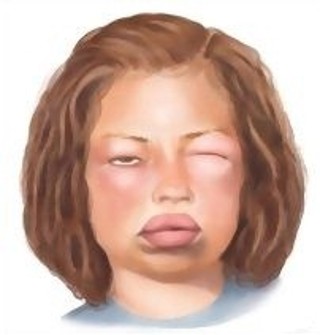
Podcast #276: Angioedema

Author: John Winkler, M.D. Educational Pearls Angioedema is immediately life-threatening due to airway obstruction. Mechanisms include allergic reaction (histamine-related) or bradykinin-related (ACE...

1 Des 20173min
Podcast #275: Battery Ingestions

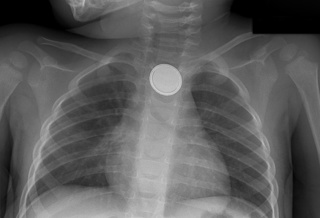
Podcast #275: Battery Ingestions

Author: Nick Hatch, M.D. Educational Pearls Unlike coin ingestions, button batteries can cause necrosis of the GI tract. If lodged in the esophagus, removal within 2 hours is important, because they ...

29 Nov 20174min

Populært innen Vitenskap

fastlegen
rekommandert
tingenes-tilstand
forskningno
sinnsyn
rss-rekommandert
smart-forklart
liberal-halvtime
villmarksliv
jss
fjellsportpodden
pod-britannia
vett-og-vitenskap-med-gaute-einevoll
tomprat-med-gunnar-tjomlid
rss-paradigmepodden
psykopoden
dekodet-2
rss-nysgjerrige-norge
nevropodden
rss-overskuddsliv