Episode 902: Liver Failure and Cirrhosis

Episode 902: Liver Failure and Cirrhosis

Contributor: Travis Barlock MD

Educational Pearls:

How do you differentiate between compensated and decompensated cirrhosis?

Use the acronym VIBE to look for signs of being decompensated.

  • V-Volume

    • Cirrhosis can cause volume overload through a variety of mechanisms such as by increasing pressure in the portal vein system and the decreased production of albumin.

    • Look for pulmonary edema (dyspnea, orthopnea, wheezing/crackles, coughing up frothy pink sputum, etc.) or a tense abdomen.

  • I-Infection

    • The ascitic fluid can become infected with bacteria, a complication called Spontaneous Bacterial Peritonitis (SBP).

    • Look for abdominal pain, fever, hypotension, and tachycardia. Diagnosis is made with ascitic fluid cell analyses (polymorphonuclear neutrophils >250/mm3)

  • B-Bleeding

    • Another consequence of increased portal pressure is that blood backs up into smaller blood vessels, including those in the esophagus.

    • Over time, this increased pressure can result in the development of dilated, fragile veins called esophageal varices, which are prone to bleeding.

    • Look for hematemesis, melena, lightheadedness, and pale skin.

  • E-Encephalopathy

    • A failing liver also does not clear toxins which can affect the brain.

    • Look for asterixis (flapping motion of the hands when you tell the patient to hold their hands up like they are going to stop a bus)

Other complications to look out for.

  • Hepatorenal syndrome

  • Hepatopulmonary syndrome

References

  1. Engelmann, C., Clària, J., Szabo, G., Bosch, J., & Bernardi, M. (2021). Pathophysiology of decompensated cirrhosis: Portal hypertension, circulatory dysfunction, inflammation, metabolism and mitochondrial dysfunction. Journal of hepatology, 75 Suppl 1(Suppl 1), S49–S66. https://doi.org/10.1016/j.jhep.2021.01.002

  2. Enomoto, H., Inoue, S., Matsuhisa, A., & Nishiguchi, S. (2014). Diagnosis of spontaneous bacterial peritonitis and an in situ hybridization approach to detect an "unidentified" pathogen. International journal of hepatology, 2014, 634617. https://doi.org/10.1155/2014/634617

  3. Mansour, D., & McPherson, S. (2018). Management of decompensated cirrhosis. Clinical medicine (London, England), 18(Suppl 2), s60–s65. https://doi.org/10.7861/clinmedicine.18-2-s60

Summarized by Jeffrey Olson MS2 | Edited by Meg Joyce & Jorge Chalit, OMS II

Episoder(1145)

Podcast #248: Family Presence During Resuscitation

Podcast #248: Family Presence During Resuscitation

Author: Aaron Lessen, M.D. Educational Pearls Traditionally the family is removed from the room during procedures and codes, but recent research shows that family presence may be beneficial. 50% pati...

8 Sep 20173min
Podcast #249: D-Dimer

Podcast #249: D-Dimer

Author: Michael Hunt, M.D. Educational Pearls In the recent YEARS study, investigators checked every patient with suspicion for PE with a D-dimer, using a modified Wells score for risk stratification...

6 Sep 20173min
Podcast #248: Patent Foramen Ovale

Podcast #248: Patent Foramen Ovale

Author: Jared Scott, M.D. Educational Pearls The foramen ovale (FO) connects the left and right atria to allow oxygenated blood to bypass the developing lungs, it usually closes at birth but for some...

4 Sep 20173min

Podcast #247: Are You Listening? - 3 Ear Emergencies You Can't Miss!

Podcast #247: Are You Listening? - 3 Ear Emergencies You Can't Miss!

Author: Don Stader, M.D. Educational Pearls Ear pain is a common complaint in adults and kids. A red, hot, painful ear with involvement of the pinna could indicate perichondritis - an infection of th...

2 Sep 20176min
Podcast #246: Fever in Sepsis

Podcast #246: Fever in Sepsis

Author: Nick Hatch, M.D. Educational Pearls A recent observational cohort study found that the biggest predictor for sepsis survival was fever. Those with higher fevers had better outcomes. Some poss...

31 Aug 20172min
Podcast #245: Hypoglycemia

Podcast #245: Hypoglycemia

Author: Dylan Luyten, M.D. Educational Pearls Hypoglycemia is very common in type 2 diabetics, and is often caused by insulin overdose or missed meals. Knowing the peak time of action for common diab...

29 Aug 20174min
Podcast #244: Clavicle Fracture Review

Podcast #244: Clavicle Fracture Review

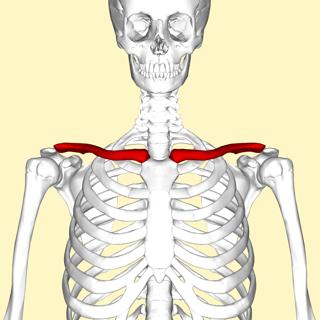
Author: Nick Hatch, M.D. Educational Pearls The force required to break a clavicle is significant, so clavicle fracture may be associated with other injury (pneumothorax, vascular injury). Most fract...

27 Aug 20172min
Podcast #243: Sphenopalatine Nerve Block

Podcast #243: Sphenopalatine Nerve Block

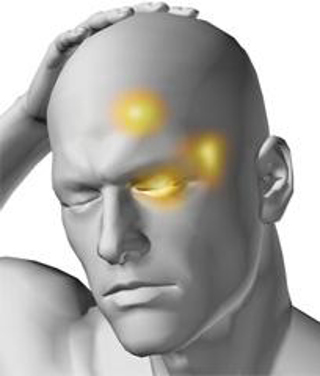
Author: Don Stader, M.D. Educational Pearls Cluster headaches are usually intense, unilateral, and involve the periorbital area. CN V (Trigeminal) provides sensory and autonomic innervation the face...

25 Aug 20174min

Populært innen Vitenskap

fastlegen
tingenes-tilstand
rekommandert
jss
rss-nysgjerrige-norge
rss-rekommandert
vett-og-vitenskap-med-gaute-einevoll
sinnsyn
forskningno
villmarksliv
nordnorsk-historie
fjellsportpodden
rss-paradigmepodden
smart-forklart
rss-overskuddsliv
aldring-og-helse-podden
diagnose
pod-britannia
tomprat-med-gunnar-tjomlid
tidlose-historier