
Podcast 914: Neuroleptic Malignant Syndrome (NMS)

Podcast 914: Neuroleptic Malignant Syndrome (NMS)

Contributor: Taylor Lynch, MD

Educational Pearls:

What is NMS?

  • Neuroleptic Malignant Syndrome

  • Caused by anti-dopamine medication or rapid withdrawal of pro-dopamenergic medications

  • Mechanism is poorly understood

  • Life threatening

What medications can cause it?

  • Typical antipsychotics

    • Haloperidol, chlorpromazine, prochlorperazine, fluphenazine, trifluoperazine

  • Atypical antipsychotics

    • Less risk

    • Risperidone, clozapine, quetiapine, olanzapine, aripiprazole, ziprasidone

  • Anti-emetic agents with anti dopamine activity

    • Metoclopramide, promethazine, haloperidol

    • Not ondansetron

  • Abrupt withdrawal of levodopa

How does it present?

  • Slowly over 1-3 days (unlike serotonin syndrome which has a more acute onset)

  • Altered mental status, 82% of patients, typically agitated delirium with confusion

  • Peripheral muscle rigidity and decreased reflexes. AKA lead pipe rigidity. (As opposed to clonus and hyperreflexia in serotonin syndrome)

  • Hyperthermia (>38C seen in 87% of patients)

  • Can also have tachycardia, labile blood pressures, tachypnea, and tremor

How is it diagnosed?

  • Clinical diagnosis, focus on the timing of symptoms

  • No confirmatory lab test but can see possible elevated CK levels and WBC of 10-40k with a left shift

What else might be on the differential?

  • Sepsis

  • CNS infections

  • Heat stroke

  • Agitated delirium

  • Status eptilepticus

  • Drug induced extrapyramidal symptoms

  • Serotonin syndrome

  • Malignant hyperthermia

What is the treatment?

  • Start with ABC's

  • Stop all anti-dopaminergic meds and restart pro-dopamine meds if recently stopped

  • Maintain urine output with IV fluids if needed to avoid rhabdomyolysis

  • Active or passive cooling if needed

  • Benzodiazapines, such as lorazepam 1-2 mg IV q 4hrs

What are active medical therapies?

  • Controversial treatments

  • Bromocriptine, dopamine agonist

  • Dantrolene, classically used for malignant hyperthermia

  • Amantadine, increases dopamine release

  • Use as a last resort

Dispo?

  • Mortality is around 10% if not recognized and treated

  • Most patients recover in 2-14 days

  • Must wait 2 weeks before restarting any medications

References

  • Oruch, R., Pryme, I. F., Engelsen, B. A., & Lund, A. (2017). Neuroleptic malignant syndrome: an easily overlooked neurologic emergency. Neuropsychiatric disease and treatment, 13, 161–175. https://doi.org/10.2147/NDT.S118438

  • Tormoehlen, L. M., & Rusyniak, D. E. (2018). Neuroleptic malignant syndrome and serotonin syndrome. Handbook of clinical neurology, 157, 663–675. https://doi.org/10.1016/B978-0-444-64074-1.00039-2

  • Velamoor, V. R., Norman, R. M., Caroff, S. N., Mann, S. C., Sullivan, K. A., & Antelo, R. E. (1994). Progression of symptoms in neuroleptic malignant syndrome. The Journal of nervous and mental disease, 182(3), 168–173. https://doi.org/10.1097/00005053-199403000-00007

  • Ware, M. R., Feller, D. B., & Hall, K. L. (2018). Neuroleptic Malignant Syndrome: Diagnosis and Management. The primary care companion for CNS disorders, 20(1), 17r02185. https://doi.org/10.4088/PCC.17r02185

Summarized by Jeffrey Olson MS2 | Edited by Meg Joyce & Jorge Chalit, OMSIII

Episoder(1145)

Podcast 615: Pediatric DKA

Podcast 615: Pediatric DKA

Contributor: Ryan Circh, MD Educational Pearls: Diabetic ketoacidosis (DKA) can be the initial presenting condition of undiagnosed diabetes type I in pediatric patients Unlike adults, children typica...

23 Nov 20205min
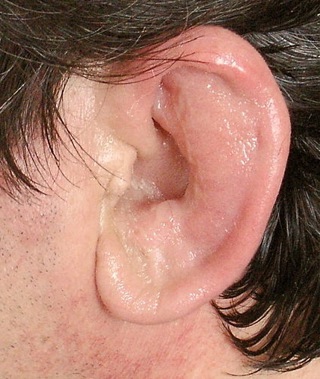
Podcast 614: Perichondritis

Podcast 614: Perichondritis

Contributor: Nick Tsipis, MD Educational Pearls: Perichondritis involves infection of not only the connective tissue of the ear but typically the cartilage as well Symptoms include erythema, ear pain...

17 Nov 20204min
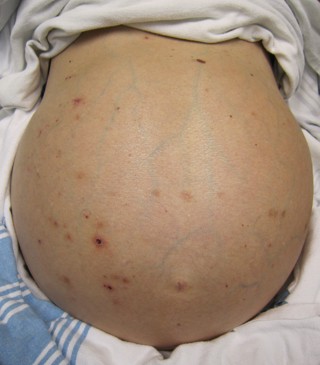
Podcast 613: Spontaneous Bacterial Peritonitis

Podcast 613: Spontaneous Bacterial Peritonitis

Contributor: Sam Killian, MD Educational Pearls: Spontaneous bacterial peritonitis (SBP) is an infection of peritoneal fluid that typically occurs in cirrhotic patients Symptoms may include abdominal...

16 Nov 20204min
Pharmacy Phriday #3: Drug Shortages in COVID

Pharmacy Phriday #3: Drug Shortages in COVID

Contributor: Rachael Waterson, PharmD Educational Pearls: Drug shortages have been an ongoing issue since the 2000's. Improvement was being made; however, several factors have exacerbated the drug s...

13 Nov 202016min

UnfilterED #11: Dr. Ricky Dhaliwal

UnfilterED #11: Dr. Ricky Dhaliwal

Dr. Tsipis sits down with colleague Dr. Ricky Dhaliwal for some insightful conversation regarding the differences between academic and community settings as well as the various roles of advocacy in me...

11 Nov 202040min

Podcast 612: Origin of Vaccines

Podcast 612: Origin of Vaccines

Contributor: Dave Rosenberg, MD Educational Pearls: The potential of vaccinations was first observed in the late 1600s when Jenner observed people who had cowpox never contracted smallpox, so he inoc...

10 Nov 20204min
Podcast 611: Flu Season in the time of COVID

Podcast 611: Flu Season in the time of COVID

Contributor: Chris Holmes, MD Educational Pearls: During a typical flu season positive rates of flu tests run around ~20% Surveillance data from Australia, South Africa, and Chile showed remarkably l...

9 Nov 20203min

Podcast 610: Swimmers Itch

Podcast 610: Swimmers Itch

Contributor: John Winkler, MD Educational Pearls: Swimmers itch is due to a flatworm parasitic infection that causes an itchy rash after the worm burrows into the skin The flatworm is passed between ...

3 Nov 20203min

Populært innen Vitenskap

fastlegen
tingenes-tilstand
rekommandert
jss
vett-og-vitenskap-med-gaute-einevoll
rss-nysgjerrige-norge
rss-rekommandert
sinnsyn
smart-forklart
nordnorsk-historie
villmarksliv
rss-paradigmepodden
forskningno
pod-britannia
fjellsportpodden
aldring-og-helse-podden
diagnose
rss-overskuddsliv
tomprat-med-gunnar-tjomlid
tidlose-historier