

Episode 915: Severe Burn Injuries

Episode 915: Severe Burn Injuries

Contributor: Megan Hurley, MD

Educational Pearls:

  • Initial assessment of patients with severe burn injuries begins with ABCs

    • Airway: consider inhalation injury

    • Breathing: circumferential burns of the trunk region can reduce respiratory muscle movement

    • Circulation: circumferential burns compromise circulation

    • Exposure: Important to assess the affected surface area

  • Escharotomy: emergency procedure to release the tourniquet-ing effects of the eschar

    • Differs from a fasciotomy in that it does not breach the deep fascial layer

  • PEEP = positive end-expiratory pressure

    • The positive pressure remaining in the airway after exhalation

    • Keeps airway pressure higher than atmospheric pressure

  • Common formulas for initial fluid rate in burn shock resuscitation

    • Parkland formula: 4 mL/kg body weight/% TBSA burns (lactated Ringer's solution)

    • Modified Brooke formula: 2 mL/kg/% (also lactated Ringer's solution)

      • Less fluid = lower risk of intra-abdominal compartment syndrome

  • Lactated Ringer's solution is preferred over normal saline in burn injuries

    • Normal saline is avoided in large quantities due to the possibility of it leading to hyperchloremic acidosis

References

  1. Acosta P, Santisbon E, Varon J. "The Use of Positive End-Expiratory Pressure in Mechanical Ventilation." Critical Care Clinics. 2007;23(2):251-261. doi:10.1016/j.ccc.2006.12.012

  2. Orgill DP, Piccolo N. Escharotomy and decompressive therapies in burns. J Burn Care Res. 2009;30(5):759-768. doi:10.1097/BCR.0b013e3181b47cd3

  3. Snell JA, Loh NH, Mahambrey T, Shokrollahi K. Clinical review: the critical care management of the burn patient. Crit Care. 2013;17(5):241. Published 2013 Oct 7. doi:10.1186/cc12706

Summarized by Meg Joyce, MS1 | Edited by Meg Joyce & Jorge Chalit

Donate: https://emergencymedicalminute.org/donate/

Episoder(1145)

Podcast #201: Task Interruption

Podcast #201: Task Interruption

Author: Mark Kozlowski M.D. Educational Pearls: Humans cannot "multitask" effectively - a more accurate term is "task interruption." When doing more than one task at once, we are more likely to forge...

8 Mai 20173min
Podcast #200: Non-traumatic Back Pain

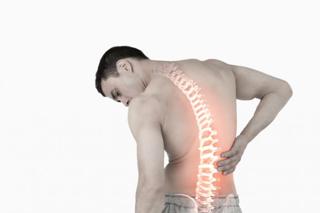
Podcast #200: Non-traumatic Back Pain

Author: Don Stader M.D. Educational Pearls: Non-traumatic back pain is a very common complaint in the Emergency Department. Conditions that can manifest with back pain include: ruptured abdominal aor...

6 Mai 20172min
Podcast #199: Prolonged QT with Zofran

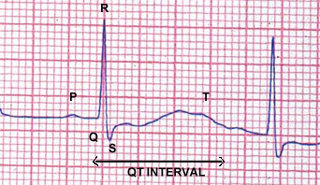
Podcast #199: Prolonged QT with Zofran

Author: Arthur Lessen M.D. Educational Pearls: Zofran (ondansetron) is generally safe to use for the treatment of nausea and vomiting. However, it can prolong the QT interval and increase the chance ...

4 Mai 20173min

Podcast #198: Imodium

Podcast #198: Imodium

Author: Aaron Lessen M.D. Educational Pearls: Imodium (loperamide) is a mu-opioid receptor agonist. Traditionally, it is used as an anti-diarrheal. It is also abused recreationally for an opioid high...

2 Mai 20173min
Podcast #197: Ashman Phenomenon

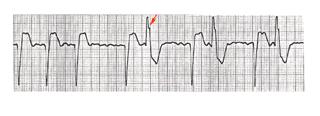
Podcast #197: Ashman Phenomenon

Author: Dylan Luyten M.D. Educational Pearls: Ashman's Phenomenon occurs in the setting atrial fibrillation and mimics ventricular tachycardia, but is harmless. On ECG, the pattern of Ashman Phenomen...

30 Apr 20171min
Podcast #196: DVT and May-Thurner Syndrome

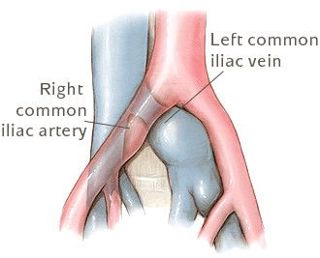
Podcast #196: DVT and May-Thurner Syndrome

Author: Samuel Killian M.D. Educational Pearls: Lower extremity DVTs are extremely common. There are more left lower extremity DVT due to anatomical variation. May-Thurner Syndrome is a form of anato...

28 Apr 20172min

Podcast #195: How to Properly Inject Heroin

Podcast #195: How to Properly Inject Heroin

Author: Don Stader, M.D Educational Pearls: It is important for providers to know how to use IV drugs properly so that they can instruct their patients on how to avoid injury. Heroin use is increasin...

26 Apr 20177min
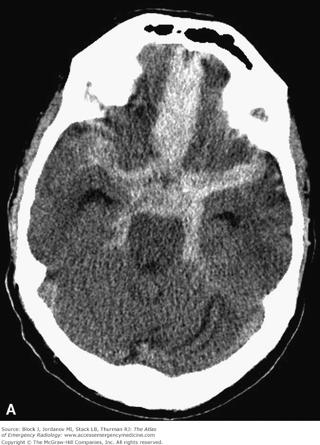
Podcast #194: Atruamatic ICH

Podcast #194: Atruamatic ICH

Author: Peter Bakes, M.D Educational Pearls Intracerebral hemorrhage is an intracranial bleed within the brain tissue or ventricles. Subarachnoid aneurysm causes about 50% of all ICH. Amyloid deposit...

24 Apr 20179min

Populært innen Vitenskap

fastlegen
smart-forklart
jss
tingenes-tilstand
villmarksliv
rekommandert
vett-og-vitenskap-med-gaute-einevoll
sinnsyn
forskningno
rss-rekommandert
fjellsportpodden
rss-paradigmepodden
tomprat-med-gunnar-tjomlid
aldring-og-helse-podden
pod-britannia
rss-nysgjerrige-norge
nordnorsk-historie
diagnose
tidlose-historier
rss-overskuddsliv

















