Episode 915: Severe Burn Injuries

Episode 915: Severe Burn Injuries

Contributor: Megan Hurley, MD

Educational Pearls:

  • Initial assessment of patients with severe burn injuries begins with ABCs

    • Airway: consider inhalation injury

    • Breathing: circumferential burns of the trunk region can reduce respiratory muscle movement

    • Circulation: circumferential burns compromise circulation

    • Exposure: Important to assess the affected surface area

  • Escharotomy: emergency procedure to release the tourniquet-ing effects of the eschar

    • Differs from a fasciotomy in that it does not breach the deep fascial layer

  • PEEP = positive end-expiratory pressure

    • The positive pressure remaining in the airway after exhalation

    • Keeps airway pressure higher than atmospheric pressure

  • Common formulas for initial fluid rate in burn shock resuscitation

    • Parkland formula: 4 mL/kg body weight/% TBSA burns (lactated Ringer's solution)

    • Modified Brooke formula: 2 mL/kg/% (also lactated Ringer's solution)

      • Less fluid = lower risk of intra-abdominal compartment syndrome

  • Lactated Ringer's solution is preferred over normal saline in burn injuries

    • Normal saline is avoided in large quantities due to the possibility of it leading to hyperchloremic acidosis

References

  1. Acosta P, Santisbon E, Varon J. "The Use of Positive End-Expiratory Pressure in Mechanical Ventilation." Critical Care Clinics. 2007;23(2):251-261. doi:10.1016/j.ccc.2006.12.012

  2. Orgill DP, Piccolo N. Escharotomy and decompressive therapies in burns. J Burn Care Res. 2009;30(5):759-768. doi:10.1097/BCR.0b013e3181b47cd3

  3. Snell JA, Loh NH, Mahambrey T, Shokrollahi K. Clinical review: the critical care management of the burn patient. Crit Care. 2013;17(5):241. Published 2013 Oct 7. doi:10.1186/cc12706

Summarized by Meg Joyce, MS1 | Edited by Meg Joyce & Jorge Chalit

Donate: https://emergencymedicalminute.org/donate/

Episoder(1145)

Podcast 709: Clown Therapy

Podcast 709: Clown Therapy

Contributor: Jared Scott, MD Educational Pearls: Using LET, procedural sedation, and distraction techniques are often needed to successfully perform painful procedures in pediatrics patients The tech...

30 Aug 20214min

Podcast 708: Diagnostic Paracentesis

Podcast 708: Diagnostic Paracentesis

Contributor: Peter Bakes, MD Educational Pearls: Paracentesis is a procedure where fluid is removed from the peritoneal cavity by needle Indications for paracentesis include: large volume paracentesi...

24 Aug 20215min
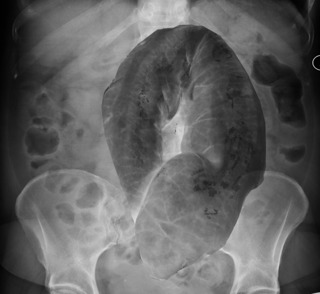
Podcast 707: Sigmoid Volvulus

Podcast 707: Sigmoid Volvulus

Contributor: Aaron Lessen, MD Educational Pearls: Sigmoid volvulus occurs when the sigmoid colon twists 180 to 360 degrees 10% of intestinal obstructions in the US; 50-70% of intestinal obstructions ...

23 Aug 20213min
Podcast 706: Pepper Spray Decon

Podcast 706: Pepper Spray Decon

Contributor: Ramnik Dhaliwal, MD JD Educational Pearls: Pepper spray is a highly irritating compound with active ingredient of capsaicin Techniques to help decontaminate and alleviate symptoms of an ...

18 Aug 20213min

Podcast 705: Pyloric Stenosis

Podcast 705: Pyloric Stenosis

Contributor: Neil Cella, MD Educational Pearls: Pylorus becomes hypertrophied and does not allow food or liquid to pass through to the duodenum tOccurs between the ages of 3 weeks to 3 months Classic...

17 Aug 20214min
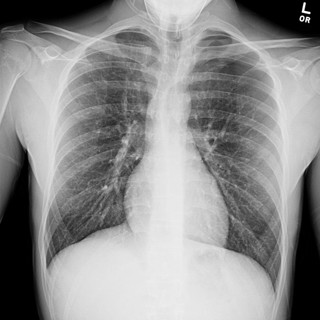
Podcast 704: Treatment of Pneumothorax

Podcast 704: Treatment of Pneumothorax

Contributor: Adam Barkin, MD Educational Pearls: Multi-center open-label non-inferiority trial looked at treatment of pneumothorax with a small-bore chest tube versus conservative management with exc...

16 Aug 20215min

Mental Health Monthly #8: Trauma-Informed Care

Mental Health Monthly #8: Trauma-Informed Care

Contributor: Randi Libbon, MD The Core features of trauma-informed care include: Patient empowerment, choice and collaboration. This means educating patients and allowing patients to make choices abo...

11 Aug 20219min
Podcast 703: Fever in Infants

Podcast 703: Fever in Infants

Contributor: Neil Cella, MD  Educational Pearls: 10% of patients 100.4) have an serious bacterial infection Most of these are UTIs, but also consider pneumonia and meningitis Requires CXR, LP, lab...

10 Aug 20215min

Populært innen Vitenskap

fastlegen
smart-forklart
jss
tingenes-tilstand
villmarksliv
rekommandert
vett-og-vitenskap-med-gaute-einevoll
sinnsyn
forskningno
rss-rekommandert
fjellsportpodden
rss-paradigmepodden
tomprat-med-gunnar-tjomlid
aldring-og-helse-podden
pod-britannia
rss-nysgjerrige-norge
nordnorsk-historie
diagnose
tidlose-historier
rss-overskuddsliv