
Episode 915: Severe Burn Injuries

Episode 915: Severe Burn Injuries

Contributor: Megan Hurley, MD

Educational Pearls:

  • Initial assessment of patients with severe burn injuries begins with ABCs

    • Airway: consider inhalation injury

    • Breathing: circumferential burns of the trunk region can reduce respiratory muscle movement

    • Circulation: circumferential burns compromise circulation

    • Exposure: Important to assess the affected surface area

  • Escharotomy: emergency procedure to release the tourniquet-ing effects of the eschar

    • Differs from a fasciotomy in that it does not breach the deep fascial layer

  • PEEP = positive end-expiratory pressure

    • The positive pressure remaining in the airway after exhalation

    • Keeps airway pressure higher than atmospheric pressure

  • Common formulas for initial fluid rate in burn shock resuscitation

    • Parkland formula: 4 mL/kg body weight/% TBSA burns (lactated Ringer's solution)

    • Modified Brooke formula: 2 mL/kg/% (also lactated Ringer's solution)

      • Less fluid = lower risk of intra-abdominal compartment syndrome

  • Lactated Ringer's solution is preferred over normal saline in burn injuries

    • Normal saline is avoided in large quantities due to the possibility of it leading to hyperchloremic acidosis

References

  1. Acosta P, Santisbon E, Varon J. "The Use of Positive End-Expiratory Pressure in Mechanical Ventilation." Critical Care Clinics. 2007;23(2):251-261. doi:10.1016/j.ccc.2006.12.012

  2. Orgill DP, Piccolo N. Escharotomy and decompressive therapies in burns. J Burn Care Res. 2009;30(5):759-768. doi:10.1097/BCR.0b013e3181b47cd3

  3. Snell JA, Loh NH, Mahambrey T, Shokrollahi K. Clinical review: the critical care management of the burn patient. Crit Care. 2013;17(5):241. Published 2013 Oct 7. doi:10.1186/cc12706

Summarized by Meg Joyce, MS1 | Edited by Meg Joyce & Jorge Chalit

Donate: https://emergencymedicalminute.org/donate/

Episoder(1145)

Podcast 549:  Just Use Epineprhine

Podcast 549: Just Use Epineprhine

Contributor: Sam Killian, MD Educational Pearls: Classic dogma teaching that epinephrine should not be used in the fingers, nose, penis, and toes when performing local anesthesia due to concerns for ...

16 Mar 20203min
On the Streets #2: Neurological Deficits

On the Streets #2: Neurological Deficits

Part 1 of 2: Dr. Adam Graham dishes out the essentials of identifying concerning neurological deficits on the scene, predicting what they mean and how to best care for patients with neurological defic...

11 Mar 202020min
Podcast 548:  Adrenal Crisis

Podcast 548: Adrenal Crisis

Contributor: Nick Tsipis, MD Educational Pearls: Congenital adrenal hyperplasia (CAH) is a group of enzyme deficiencies in the adrenals leading to a deficiency of hormones normally synthesized by the...

10 Mar 20205min
Podcast 547: Capsaicin Cream to the Rescue

Podcast 547: Capsaicin Cream to the Rescue

Author: Aaron Lessen, MD Educational Pearls: A recent retrospective study looked capsaicin cream in treating cannabinoid hyperemesis syndrome in regards to length of stay, cost analysis, use of rescu...

9 Mar 20201min
Podcast 546: Complete Heart Block

Podcast 546: Complete Heart Block

Author: Jared Scott, MD Educational Pearls: Differentiating symptomatic bradycardia from asymptomatic may be essential in determining workup and treatment Airway, breath, circulation always hold true...

3 Mar 20203min
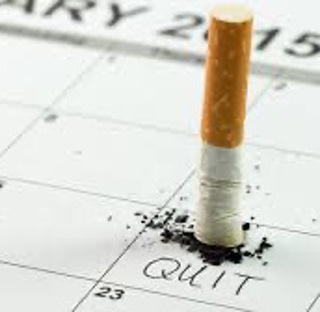
Podcast 545: So You Quit Smoking… Now What?

Podcast 545: So You Quit Smoking… Now What?

Author: Aaron Lessen, MD Educational Pearls: New data shows within 5 years of smoking cessation, the risk of cardiovascular disease becomes half of those who continue to smoke After 10-15 years of c...

2 Mar 20201min

UnfilterED #5: Dr. Lisa Zwerdlinger

UnfilterED #5: Dr. Lisa Zwerdlinger

Recorded remotely in the highest hospital in the world, Nick sits down to talk with Dr. Lisa Zwerdlinger, a small-town physician who's worn many different hats both in the hospital and her community. ...

26 Feb 202033min
Podcast 544: C is for Sepsis

Podcast 544: C is for Sepsis

Author: Aaron Lessen, MD Educational Pearls: Previously, trials had shown promising evidence that vitamin C may improve mortality rates in patients with sepsis or septic shock. A 2017 retrospective...

25 Feb 20202min

Populært innen Vitenskap

fastlegen
tingenes-tilstand
rekommandert
jss
rss-nysgjerrige-norge
vett-og-vitenskap-med-gaute-einevoll
rss-rekommandert
sinnsyn
forskningno
villmarksliv
nordnorsk-historie
fjellsportpodden
smart-forklart
rss-paradigmepodden
aldring-og-helse-podden
diagnose
pod-britannia
rss-overskuddsliv
abid-nadia-skyld-og-skam
tomprat-med-gunnar-tjomlid