
Episode 920: Pediatric Growth Estimates

Episode 920: Pediatric Growth Estimates

Contributor: Sean Fox, MD

Educational Pearls:

  • Newborns may lose up to 10% of their birth weight in the first week of life

    • Weight loss is greatest in exclusively breastfed infants

    • Should regain birth weight by age 2 weeks

  • Newborns should gain an average of 30g (1 oz) per day in the first 3 months of life

    • Some will gain more and some will gain less

  • Infants double their birth weight by 6 months of life and triple their weight by 12 months

    • A 1-year-old should weigh on average 10 kg (22 lbs)

    • A 3-year-old should weigh on average 15 kg (33 lbs)

    • 2-year-olds are between 10-15 kg on average

  • Weight assessment can help determine causes of forceful vomiting

    • Not all "projectile" vomiting is due to pyloric stenosis

    • Some infants may experience vigorous vomiting from overfeeding

  • Weight estimates can also provide information for quick decisions on medical management for children coming via EMS

    • Helps to prepare medications and dosages based on predicted average weight

References

  1. Crossland DS, Richmond S, Hudson M, Smith K, Abu-Harb M. Weight change in the term baby in the first 2 weeks of life. Acta Paediatr. 2008;97(4):425-429. doi:10.1111/j.1651-2227.2008.00685.x

  2. Grummer-Strawn LM, Reinold C, Krebs NF; Centers for Disease Control and Prevention (CDC). Use of World Health Organization and CDC growth charts for children aged 0-59 months in the United States [published correction appears in MMWR Recomm Rep. 2010 Sep 17;59(36):1184]. MMWR Recomm Rep. 2010;59(RR-9):1-15.

  3. Macdonald PD, Ross SR, Grant L, Young D. Neonatal weight loss in breast and formula fed infants. Arch Dis Child Fetal Neonatal Ed. 2003;88(6):F472-F476. doi:10.1136/fn.88.6.f472

  4. Paul IM, Schaefer EW, Miller JR, et al. Weight Change Nomograms for the First Month After Birth. Pediatrics. 2016;138(6):e20162625. doi:10.1542/peds.2016-2625

Summarized & Edited by Jorge Chalit, OMS3

Special thanks to the Carolinas Medical Center for their contribution to this episode

Donate: https://emergencymedicalminute.org/donate/

Episoder(1149)

Deep Dive #8: Wintertime Wilderness Medicine

Deep Dive #8: Wintertime Wilderness Medicine

Author: John Winkler, M.D. Dr. Winkler shares his knowledge of wilderness medicine and provides insight on how to prevent and treat conditions such as hypothermia, frostbite and sun blindness. More im...

18 Des 201729min
Podcast #281: Intracranial Hemorrhage Treatment

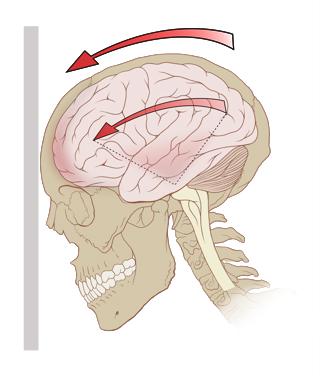
Podcast #281: Intracranial Hemorrhage Treatment

Podcast #281: Intracranial Hemorrhage Treatment Author: Don Stader, M.D. Educational Pearls Types of traumatic bleeds include subdural, epidural, and subarachnoid. Treatment for a traumatic bleed inc...

15 Des 20172min

Podcast #280: Isolated Aphasia in Stroke

Podcast #280: Isolated Aphasia in Stroke

Author: Aaron Lessen, M.D. Educational Pearls Patients with an ischemic stroke from occlusion of the left middle cerebral artery often present with aphasia in addition to other neurological deficits....

11 Des 20171min

Podcast #279: Sedation After Intubation

Podcast #279: Sedation After Intubation

Author: Aaron Lessen, M.D. Educational Pearls Post-intubation care should always include pain control and adequate sedation. Commonly used sedation agents include propofol, ketamine and versed. Howev...

8 Des 20171min
Podcast #278: Subdural Hematomas

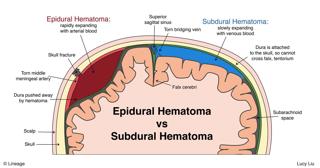
Podcast #278: Subdural Hematomas

Educational Pearls Subdural hematomas can happen in the elderly because of brain atrophy, and can manifest with neurological deficit. Subdural hematomas are caused by rupture of the bridging veins of...

6 Des 20172min
Podcast #277: Mucor

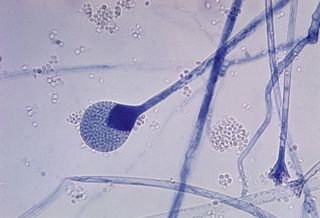
Podcast #277: Mucor

Author: Don Stader, M.D. Educational Pearls Mucor/Rhizopus fungal infections usually present in diabetic or immunocompromised patients as a black, necrotic lesion on the face. The fungus invades the ...

4 Des 20172min
Podcast #276: Angioedema

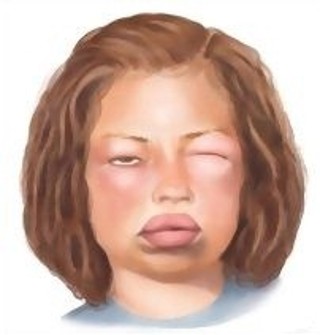
Podcast #276: Angioedema

Author: John Winkler, M.D. Educational Pearls Angioedema is immediately life-threatening due to airway obstruction. Mechanisms include allergic reaction (histamine-related) or bradykinin-related (ACE...

1 Des 20173min
Podcast #275: Battery Ingestions

Podcast #275: Battery Ingestions

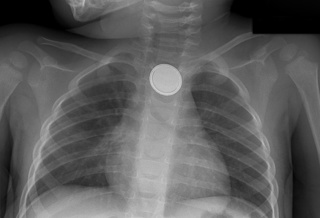
Author: Nick Hatch, M.D. Educational Pearls Unlike coin ingestions, button batteries can cause necrosis of the GI tract. If lodged in the esophagus, removal within 2 hours is important, because they ...

29 Nov 20174min

Populært innen Vitenskap

fastlegen
rekommandert
tingenes-tilstand
forskningno
sinnsyn
rss-rekommandert
smart-forklart
liberal-halvtime
villmarksliv
jss
fjellsportpodden
pod-britannia
vett-og-vitenskap-med-gaute-einevoll
tomprat-med-gunnar-tjomlid
rss-paradigmepodden
psykopoden
dekodet-2
rss-nysgjerrige-norge
nevropodden
rss-overskuddsliv