Episode 921: Pediatric Hypoglycemia

Episode 921: Pediatric Hypoglycemia

Contributor: Taylor Lynch, MD

Educational Pearls:

When it comes to hypoglycemia, the age dictates possible causes

  • Neonate:

    • Hormonal deficiency

      • Congenital Adrenal Hyperplasia (21-hydroxylase deficiency, 11β-hydroxylase deficiency)

      • Primary or Secondary Adrenal Insufficiency leading to cortisol deficiency

      • Hypopituitarism

    • Inborn errors of metabolism

    • Systemic infection (Under 30 days old should trigger a full infectious workup)

  • Toddler

    • Accidental ingestions

      • Sulfonylureas such as glipizide or glyburide

  • Older children

    • Addison's Disease (Hypocortisolism)

    • Accidential or intentional ingestions

    • Exogenous insulin

How is it diagnosed?

  • Child or infant

    • Glucose <60

  • Newborn

    • Glucose <45 and symptomatic or glucose <35 and asymptomatic

Treatment

  • Awake: oral glucose

  • Altered: IV glucose

  • Rule of 50's. The dose you give times the concentration should equal 50

    • Neonate to 2 months get 5 mg/kg of D10W (5*10=50)

    • 2 months to 8 years old get 2 mg/kg of D25W (2*25=50)

    • Over 8 gets 1 mg/kg of D50W (1*50=50)

    • Bonus fact: Rough estimate of weight for a child is 2*patients age plus 8

  • Recheck sugar every 15 minutes

  • If they stay hypoglycemic give another bolus and consider starting a drip at 1.5 maintenance dose of D10NS.

  • If you don't have an IV you can consider glucagon at 0.03 mg/kg IM, although you might be better off trying glucose gel buccally.

  • If standard therapy still fails you can give hydrocortisone

    • 25 mg IV for neonates and infants

    • 50 mg IV for toddlers and smaller school aged children

    • 100 mg for anyone older than that

How do you test for exogenous insulin?

  • Check a c-peptide which would be low if a patient is taking exogenous insulin

References

  1. Lang, T. F., & Hussain, K. (2014). Pediatric hypoglycemia. Advances in clinical chemistry, 63, 211–245. https://doi.org/10.1016/b978-0-12-800094-6.00006-6

  2. Lee, S. C., Baranowski, E. S., Sakremath, R., Saraff, V., & Mohamed, Z. (2023). Hypoglycaemia in adrenal insufficiency. Frontiers in endocrinology, 14, 1198519. https://doi.org/10.3389/fendo.2023.1198519

  3. Thompson-Branch, A., & Havranek, T. (2017). Neonatal Hypoglycemia. Pediatrics in review, 38(4), 147–157. https://doi.org/10.1542/pir.2016-0063

Summarized by Jeffrey Olson, MS3 | Edited by Meg Joyce, MS1 & Jorge Chalit, OMS3

Donate: https://emergencymedicalminute.org/donate/

Episoder(1145)

Podcast # 350: Pressors and Ischemia

Podcast # 350: Pressors and Ischemia

Author: Nick Hatch, MD. Educational Pearls: A common concern using vasopressors is the risk of digital and mesenteric ischemia. The absolute risk of digital ischemia and/or mesenteric ischemia is...

9 Jul 20183min
Podcast # 349: Fat Emboli

Podcast # 349: Fat Emboli

Author: Sue Chilton, MD Educational Pearls: Triad of fat emboli syndrome is a petechial rash, AMS, and respiratory distress. Petechiae usually start in the axilla. 90% of patients with long bon...

4 Jul 20183min
Podcast # 348: Steakhouse Syndrome

Podcast # 348: Steakhouse Syndrome

Author: Don Stader, MD Educational Pearls: Steakhouse syndrome is an impacted esophageal food bolus. Occurs because they have an esophageal stricture (schatzki ring, scarring, esophagitis). Cla...

2 Jul 20183min

Podcast # 347: Fasting and Procedural Sedation

Podcast # 347: Fasting and Procedural Sedation

Author: Sam Killian, MD Educational Pearls: Recent study examining fasting and adverse events during procedural sedation found no association between fasting duration and any type of adverse event....

29 Jun 20183min
Podcast # 346: Pediatric DKA

Podcast # 346: Pediatric DKA

Author: Chris Holmes, MD Educational Pearls: There is a risk of cerebral edema in pediatrics with DKA if over resuscitated. Recent study comparing normal saline vs. ½ normal saline showed no diff...

27 Jun 20184min
Podcast # 345: Epidural Abscess

Podcast # 345: Epidural Abscess

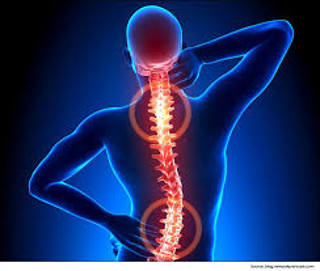
Author: Sue Chilton, MD Educational Pearls: IV drug use and spinal procedures are major risk factors. Classic triad of back pain, focal neurological deficit and fever. However, presence of fever ...

25 Jun 20184min
Podcast # 344: Foley troubleshooting

Podcast # 344: Foley troubleshooting

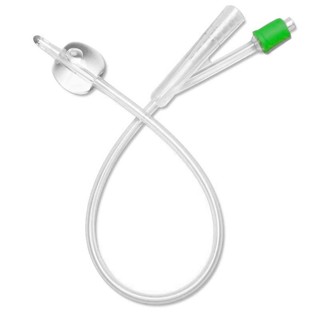
Author: Aaron Lessen, MD. Educational Pearls: When foley is stuck, balloon may not have deflated. Make sure balloon is not in the urethra, which can block drainage. Cut off the port as it may b...

22 Jun 20183min
Podcast # 343: Snake Bites

Podcast # 343: Snake Bites

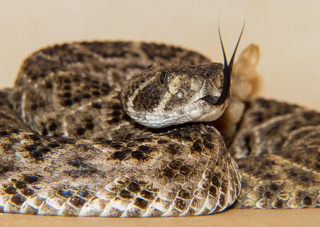
Educational Pearls: Snake bites commonly occur between April and October. Rattlesnake bites are the most common. Venom contains proteins/enzymes that cause local inflammation, coagulopathy, and...

20 Jun 20186min

Populært innen Vitenskap

fastlegen
smart-forklart
jss
tingenes-tilstand
villmarksliv
rekommandert
vett-og-vitenskap-med-gaute-einevoll
sinnsyn
forskningno
rss-rekommandert
fjellsportpodden
rss-paradigmepodden
tomprat-med-gunnar-tjomlid
aldring-og-helse-podden
pod-britannia
rss-nysgjerrige-norge
nordnorsk-historie
diagnose
tidlose-historier
rss-overskuddsliv