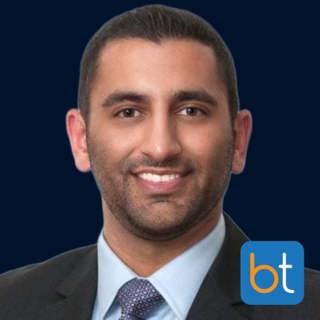
Ep. 311 Working with Industry with Dr. Gregory Makris

Ep. 311 Working with Industry with Dr. Gregory Makris

In this episode, Dr. Aaron Fritts interviews Dr. Gregory Makris about making the transition to industry, including how to market yourself, and how to maintain your clinical and technical skills while working in industry. --- CHECK OUT OUR SPONSOR RADPAD® Radiation Protection https://www.radpad.com/ --- EARN CME Reflect on how this Podcast applies to your day-to-day and earn free AMA PRA Category 1 CMEs: https://earnc.me/SFBnOQ --- SHOW NOTES Dr. Makris is from Greece, and he did his initial training there. He then continued his training in vascular medicine in London, and has been working there ever since. Over the past year, he has been working for Bayer Pharmaceuticals in vascular therapeutics as director, and global clinical lead. He has a hybrid work environment where he works virtually for Bayer, and travels frequently, but still maintains a clinical position at his practice one day a week. He wanted to do this because he enjoys practicing IR and wanted to maintain his clinical and technical skills. Next, we discuss how he decided to get into industry, particularly pharmaceuticals. He never envisioned he would join industry while training. A decade ago, there was a bad reputation about physicians who left medicine to join industry. People often remarked these physicians were soulless or had joined the dark side. Now, there is much less criticism, and there are growing numbers of physicians choosing to partner with industry. Dr. Makris was working as an attending when he started getting more exposed to industry at conferences. He started to imagine a role in medical device innovation, and with a background in research, he knew he had expertise that would be useful to industry as a physician scientist. Somewhat surprisingly, an opportunity came up with Bayer in pharmaceuticals. It was a global role, and involved clinical and research development of vascular medications, which was appealing to him as an IR with a PhD in vascular medicine and someone passionate about global outreach. He also sensed he was ready for a new challenge in his career, so he accepted the role. He recommends being very honest with yourself about your abilities and your limitations when starting out in a new role in industry. Additionally, you should be open to learning new roles, and be flexible with time and travel. Dr. Makris says that the best way to maintain a clinical role is to have a frank conversation with your practice and explain what you can offer them and how to work out a deal that benefits both parties. Most practices will be willing to keep you on part time. If they are not, there are numerous opportunities to stay in medicine, whether through locums or reaching out to other practices that need help. Dr. Makris ends by saying that as a physician, there are many ways to have career satisfaction and work-life balance, while still contributing to healthcare and helping patients. He sees his new role as an opportunity to contribute to the bigger picture, which is advancing healthcare and medical standards. --- RESOURCES Ep 128: Device Innovation with Dr. Atul Gupta https://www.backtable.com/shows/vi/podcasts Ep 57: Practicing IR in the UK with Dr. Gregory Makris https://www.backtable.com/shows/vi/podcasts/57/practicing-ir-in-the-uk Linked In: https://www.linkedin.com/in/gregory-makris-m-d-ph-d-dic-frcr-22118660/?originalSubdomain=uk Twitter: @GregMakris23

Episoder(610)

Ep. 589 Lung Cancer Tumor Boards: Multidisciplinary Approaches & Best Practices with Dr. Karen Reckamp, Dr. Scott Atay, Dr. Scott Oh, Dr. Alan Lee

Ep. 589 Lung Cancer Tumor Boards: Multidisciplinary Approaches & Best Practices with Dr. Karen Reckamp, Dr. Scott Atay, Dr. Scott Oh, Dr. Alan Lee

As lung cancer treatments become more complex, is a collaborative tumor board more essential than ever? We’re kicking off the 2025 NSCLC Creator Weekend™ series with an in-studio panel discussion on the multidisciplinary management of lung cancer. The panel includes experts from medical oncology, thoracic surgery, radiation oncology, and interventional pulmonology from major institutions in Los Angeles. --- This podcast is supported by an educational grant from Johnson & Johnson and Varian. --- SYNPOSIS They discuss the operation of tumor boards at their respective institutions, the impact of virtual meetings, optimal strategies for mediastinal staging, the management of early-stage lung cancer, and the emerging role of ablation therapy. The conversation dives into the complexities of treating patients with recurrence or metastatic disease, highlighting the importance of collaborative decision-making in navigating these challenging scenarios. The episode emphasizes the critical role of multidisciplinary tumor boards in providing informed, patient-centered care. --- TIMESTAMPS 00:00 - Introduction06:59 - Role of Pulmonologists in Tumor Boards12:08 - Importance of Tissue Diagnosis24:52 - Lung Cancer Screening and Stigma34:01 - Interventional Radiology and Biopsies46:21 - Challenges with Immunotherapy and Radiation53:44 - The Importance of Multidisciplinary Teams54:24 - Final Thoughts --- RESOURCES American Lung Association 2024 Datahttps://www.lung.org/getmedia/12020193-7fb3-46b8-8d78-0e5d9cd8f93c/SOLC-2024.pdf National Lung Screening Trialhttps://www.nejm.org/doi/full/10.1056/NEJMoa1102873 Checkmate 816https://www.nejm.org/doi/full/10.1056/NEJMoa2202170 PACIFIC Trialhttps://www.nejm.org/doi/full/10.1056/NEJMoa1709937

14 Nov 55min

Ep. 588 Breast Cryoablation: Techniques, Patient Selection & Outcomes with Dr. Robert Ward

Ep. 588 Breast Cryoablation: Techniques, Patient Selection & Outcomes with Dr. Robert Ward

As breast imaging is becoming increasingly sensitive, is cryoablation the next frontier for treating small cancers or patients who are poor surgical candidates? Learn from expert Dr. Robert Ward, associate professor and program director of the Breast Imaging Fellowship at Brown University as he provides a contemporary overview of the innovative field of breast cryoablation. --- SYNPOSIS Dr. Ward shares his journey to becoming an expert in breast cryoablation, from his start in residency to his well-developed service line today. He details his experience enrolling patients in the FROST Trial, which is investigating the role of breast cryoablation as an alternative for surgery in patients with early stage invasive breast cancer. The conversation also covers the intricacies of the procedure, patient selection criteria, pre- and post-procedural care, and the significance of receptor positivity and clinical markers in treatment choices. Dr. Ward talks through the challenges in needle positioning prior to ice ball formation and the possibility of treating tumors close to the skin surface given appropriate wound care. The discussion concludes with a future look at how cryoablation could change the current paradigm of breast cancer care. --- TIMESTAMPS 00:00 - Introduction 01:39 - The Rise of Breast Cryoablation06:40 - Challenges and Considerations in Cryoablation07:59 - Patient Referral and Evaluation Process13:35 - Equipment and Techniques for Cryoablation23:29 - Procedure Steps and Needle Positioning26:11 - Post-Procedure Thawing and Patient Expectations28:35 - Post-Procedure Care and Follow-Up34:20 - Future of Cryoablation in Breast Cancer Treatment38:01 - Conclusion --- RESOURCES FROST Trialhttps://clinicaltrials.gov/study/NCT01992250 Brown et al., Strategies to Optimize Success in Breast Cancer Cryoablation, Journal of Vascular and Interventional Radiologyhttps://pubmed.ncbi.nlm.nih.gov/41083146/

11 Nov 40min

Ep. 587 Thyroid Artery Embolization: Indications & Outcomes with Dr. Juan Camacho

Ep. 587 Thyroid Artery Embolization: Indications & Outcomes with Dr. Juan Camacho

What role does thyroid artery embolization play in contemporary thyroid cancer care? Dr. Juan Camacho, an interventional radiologist from Sarasota, Florida, joins host Dr. Sabeen Dhand to discuss how this emerging technique is reshaping the management of thyroid malignancies. --- SYNPOSIS Dr. Camacho shares his experiences establishing a multidisciplinary team at Memorial Sloan Kettering Cancer Center dedicated to the management of thyroid malignancies, highlighting the critical role of collaboration in the successful implementation of this emerging treatment. He details key procedural techniques, emphasizing the importance of recognizing anatomic variations that can influence technical success. He also examines how arterial supply and lesion location inform procedural planning and decision-making, and outlines his technical approach to thyroid artery embolization, including the use of a radial artery access, catheter selection strategies, and the application of cone-beam CT for procedural optimization. Finally, he reviews his pre- and post-procedural management strategies, including the role of beta blockers in optimizing patient outcomes. The discussion concludes with illustrative case studies demonstrating substantial reductions in thyroid volume and symptomatic relief, notably achieved without post-procedural hypothyroidism. --- TIMESTAMPS 00:00 - Introduction03:31 - Pioneering Thyroid Ablation at Sloan Kettering06:53 - The Need for Thyroid Artery Embolization25:08 - Pre-Procedural Planning32:41 - Embolization Technique and Procedure44:48 - Choosing the Right Catheter for the Job45:43 - Ensuring Patient Comfort and Safety47:09 - High-Stakes Imaging and Safety Protocols47:55 - Innovative Techniques and Case Studies51:02 - Post-Procedure Management and Follow-Up56:30 - Engaging with Endocrinology and Surgeons01:00:00 - Case Studies and Practical Applications

7 Nov 1h 14min

Ep. 586 Bronchial Artery Embolization: Techniques, Outcomes & Complications to Avoid with Dr. Alex Lam

Ep. 586 Bronchial Artery Embolization: Techniques, Outcomes & Complications to Avoid with Dr. Alex Lam

A patient presents to the ER with hemoptysis. When is bronchial artery embolization (BAE) the right call, and what can you do to tip the odds of procedural success in your favor? In this episode of the BackTable Podcast, interventional radiologist Dr. Alexander Lam of UCSF shares his approach to bronchial artery embolization with host Dr. Ally Baheti.---This podcast is supported by:RADPAD® Radiation Protectionhttps://www.radpad.com/---SYNPOSISThe conversation covers why patients are referred for this procedure, the typical causes of bronchial artery hypertrophy, and Dr. Lam's preferred techniques for embolization, including the use of glue over traditional particles. Dr. Lam emphasizes the importance of multidisciplinary collaboration, detailed pre-procedure preparations, and recognizing potential complications.---TIMESTAMPS00:00 - Introduction01:45 - Patient Evaluation04:22 - Causes of Bronchial Hypertrophy09:03 - Procedure Setup10:35 - Catheter Selection and Techniques13:35 - Embolic Choices and Techniques19:39 - Understanding Different Types of Glue22:48 - Continuous Push Technique24:38 - Managing Complications and Success Rates28:14 - Postoperative Instructions and Follow-Up29:00 - Handling Difficult Bronchial Artery Selections34:02 - Final Thoughts

4 Nov 36min

Ep. 585 CPT Code Updates for the OBL with Dr. Goke Akinwande

Ep. 585 CPT Code Updates for the OBL with Dr. Goke Akinwande

With the annual trend of fluctuating reimbursement rates, have you been on the fence about turning your OBL into an ASC? Make sure your OBL is prepared for the surprising changes in coding coming in 2026. In this episode, Dr. Mary Costantino partners with fellow OBL owner Dr. Goke Akinwande and revenue cycle management expert Laurie Bouzarelos to review the new CPT code changes and how they translate to OBL and ASC reimbursement.---SYNPOSISDr. Akinwande discusses many positive takeaways after diving into the recent Medicare documents, and highlights key shifts. He believes these changes to add-on codes and territories means one thing: CLI is being heard. The upcoming code changes improve delineation of vascular territories, differentiating between "simple" (stenosis) and "complex" (CTO) procedures. These changes are aimed at rewarding physicians performing the difficult CLI work while decreasing reimbursement for more straightforward cases.Beyond the CPT code specifics, the conversation also covers real-world implications for OBL owners. Dr. Akinwande explains why these changes might narrow the reimbursement gap between OBLs and ASCs, prompting him to warn against ASC conversion. Laurie Bouzarelos provides guidance on implementation, stressing the importance of updating charge masters, reviewing payer contracts for "gap fill" clauses, and monitoring payments once the new codes go live. The episode ends with a discussion on obstacles in billing, collections, and the need for physicians to master the business side of their practice to ensure financial success.---TIMESTAMPS00:00 - Introduction04:37 - 2026 CPT Changes Overview07:18 - Simple vs. Complex Codes13:16 - Key Add-on Codes19:52 - OBL vs. ASC Conversion?24:56 - IVL Reimbursement Trends29:18 - Update Your Charge Master41:41 - Pricing & Medicare Year46:39 - Billing & Collections Reality

28 Okt 1h 11min

Ep. 584 Middle Meningeal Artery Embolization: Procedure & Rationale with Dr. Paul Gulotta

Ep. 584 Middle Meningeal Artery Embolization: Procedure & Rationale with Dr. Paul Gulotta

Is meningeal artery embolization the key to ending the cycle of chronic subdural hematomas? In this episode of the Back Table Podcast, Dr. Paul Gullota from Ochsner Health joins host Michael Barraza to share his technical insights on middle meningeal artery embolization, including patient workup, procedure technique, and post-operative care.---SYNPOSISThe episode begins with a discussion on the evolving role of middle meningeal artery embolization in preventing chronic subdural recurrence. The doctors talk through patient selection and procedural planning for middle meningeal artery embolization, emphasizing the importance of assessing collateral pathways and hemorrhage laterality. Dr. Gullota shares his access techniques, microcatheter and embolic options, and the critical role of teamwork with neurosurgery. He also shares his approach to navigating complex vascular anatomy as well as ensuring appropriate patient follow up.---TIMESTAMPS00:00 - Introduction03:12 - Middle Meningeal Artery Embolization: Rationale and Process04:17 - Patient Evaluation and Procedure Steps06:09 - Outpatient Procedures and Billing07:06 - Candidates for Embolization Post-Evacuation07:56 - Unilateral vs. Bilateral Embolization10:34 - Procedure Techniques and Tools19:48 - Post-Procedure Care and Follow-Up21:35 - Final Thoughts and Conclusion

24 Okt 25min

Ep. 583 Managing Type II Endoleaks: Techniques & Tools with Dr. Matthew Givens

Ep. 583 Managing Type II Endoleaks: Techniques & Tools with Dr. Matthew Givens

From longitudinal monitoring to complex interventions, type II endoleaks often require an individualized approach. In this episode of BackTable, host Dr. Sabeen Dhand welcomes Dr. Matt Givens, Chief of Interventional Radiology at the New Orleans VA and faculty at Louisiana State University Health, to discuss the intricacies of type II endoleak management and repair techniques.---SYNPOSISThe conversation begins with a walkthrough of Dr. Givens’s firstline operative approach, which involves entering the inferior mesenteric artery and choosing a microcatheter that allows for entry into the sac and nidus. The doctors cover nuances in choosing and planning transarterial, translumbar, and transcaval approaches. Dr. Givens also details his embolics of choice, his preferred tools for direct sac puncture, and the rationale behind his embolization endpoints.---TIMESTAMPS00:00 - Introduction 08:12 - Imaging and Follow-Up Protocols16:27 - Transarterial Techniques for Endoleak Management33:45 - Techniques for Targeting and Embolization35:34 - Challenges and Solutions in Embolization36:57 - Transcaval and Translumbar Approaches39:09 - Complications and Case Studies53:58 - Building a Collaborative Practice56:09 - Conclusion

21 Okt 58min

Ep. 582 PERT Consortium Recap: New Developments in PE with Dr. Jonathan Paul and Dr. Osman Ahmed

Ep. 582 PERT Consortium Recap: New Developments in PE with Dr. Jonathan Paul and Dr. Osman Ahmed

PERT Consortium 2025 gives interventionalists the reins to tackle even the toughest saddle pulmonary embolisms. In this episode of the BackTable Podcast, host Dr. Aaron Fritts welcomes interventional radiologist Dr. Osman Ahmed and interventional cardiologist Dr. Jonathan Paul to discuss their experiences at the annual PERT Consortium in San Diego, and offer their perspectives on the latest developments in pulmonary embolism (PE) treatment.---SYNPOSISThe doctors delve into advancements and trials within the PE treatment space, including new devices and clinical studies that are set to shape the future of pulmonary embolism care. The conversation highlights the value of collaboration between interventional specialties, the safety and efficacy of various PE interventions, and the growing trend of using combined therapies. They also provide updates on their ongoing innovation with Flow Medical, describing their philosophy and motivation for developing a new device for PE treatment that incorporates real-time pulmonary artery pressures, mean systolic and diastolic pressures, and a potential for AI utilization in the future. ---TIMESTAMPS00:00 - Introduction01:23 - PERT Consortium Highlights02:11 - Emerging Clinical Trials and Innovations03:59 - Thrombectomy Devices and Market Trends12:37 - Flow Medical: Origin and Updates19:37 - Advanced Data Tracking in Cardiology20:45 - Remote Monitoring and Mobile Integration22:45 - Cardiologists’ Data-Driven Approach23:10 - Upcoming Studies and Data Insights24:10 - Interventional Radiology and Cardiology Collaboration25:07 - Access to Care and Procedure Adoption27:32 - Final Thoughts---RESOURCESPulmonary Embolism Response Team (PERT) Consortiumhttps://pertconsortium.org/ Flow Medicalhttps://www.flowmedical.co/ PEERLESS RCThttps://www.ahajournals.org/doi/10.1161/CIRCULATIONAHA.124.072364RESCUE-IIhttps://www.jacc.org/doi/10.1016/j.jacadv.2025.101789 PEERLESS II https://www.jscai.org/article/S2772-9303(24)01053-6/fulltextPulmonary Embolism - Thrombus Removal With Catheter-Directed Therapy (PE-TRACT)https://clinicaltrials.gov/study/NCT05591118 The HI-PEITHO Studyhttps://www.bostonscientific.com/en-EU/medical-specialties/vascular-surgery/venous-thromboembolism-portal/pulmonary-embolism/clinical-data/hi-peitho.htmlPRAGUE-26https://eurointervention.pcronline.com/article/design-and-rationale-of-prague-26-a-multicentre-randomised-trial-of-catheter-directed-thrombolysis-for-intermediate-high-risk-acute-pulmonary-embolism Pulmonary Embolism - Thrombus Removal With Catheter-Directed Therapy (PE-TRACT)https://clinicaltrials.gov/study/NCT05591118 Aaron Fritts, MDhttps://www.backtable.com/shows/vi/contributors/dr-aaron-fritts Osman Ahmed, MDhttps://jointvascular.com/team/osman-ahmed-m-d-fcirse/ Jonathan Paul, MDhttps://www.uchicagomedicine.org/find-a-physician/physician/jonathan-d-paul

17 Okt 29min

Populært innen Fakta

merry-quizmas
fastlegen
relasjonspodden-med-dora-thorhallsdottir-kjersti-idem
dine-penger-pengeradet
rss-strid-de-norske-borgerkrigene
foreldreradet
dypdykk
rss-sarbar-med-lotte-erik
fryktlos
treningspodden
gravid-uke-for-uke
jakt-og-fiskepodden
rss-kunsten-a-leve
hverdagspsyken
tomprat-med-gunnar-tjomlid
rss-triana-juliet-dans-pa-roser
takk-og-lov-med-anine-kierulf
sinnsyn
lederskap-nhhs-podkast-om-ledelse
rss-impressions-2