
Heavy Metal Poisoning
PodcastDX16 Jul 2024

Heavy Metal Poisoning

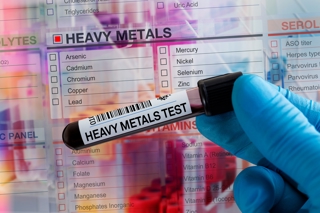
Heavy metal poisoning (toxicity) is the result of exposure to heavy metals like lead, mercury and arsenic. Heavy metals bind to parts of your cells that prevent your organs from doing their job. Symptoms of heavy metal poisoning can be life threatening and they can cause irreversible damage.

​Heavy metal poisoning occurs when microscopic molecules of metals accumulate within your body after exposure. Heavy metals attach to your cells and prevent them from performing their functions, which causes symptoms that could be life threatening without treatment.

​

What metals cause heavy metal poisoning (toxicity)?

Several metals can be toxic to your body. The most common toxic metals are:

  • Lead. Contaminated water from lead pipes, batteries, paint, gasoline, construction materials.

  • Mercury. Liquid in thermometers, lightbulbs, dental amalgam ("silver") fillings, batteries, seafood, topical antiseptics.

  • Arsenic. Topical creams, herbicides, insecticides, pesticides, fungicides, paints, enamels, glass, contaminated water, seafood, algae.

  • Cadmium. Cigarette smoke, metal plating, batteries.

  • Thallium. Rodenticides, pesticides, fireworks.

​

How does someone get heavy metal poisoning?

You can get heavy metal poisoning by exposing yourself to heavy metals. Heavy metals form naturally within the Earth's crust. We interact with small amounts of heavy metals every day, like when you check the temperature of your thermometer, which uses mercury. Heavy metal poisoning occurs when metals get into your body. This can happen if you're exposed to a large amount of metal including:

  • Eating a lot of food that contains metals (fish).

  • Drinking water from older water supply systems.

  • Working with metals on the job.

  • Taking medications or supplements with high amounts of metallic elements.

  • Handling metals or products made with a large amount of metal (like paint or pesticides) without using personal protective equipment.

Most metals that cause poisoning are in a microscopic (molecular) form when they enter your body. They are so small, you won't be able to see them. Heavy metals can enter your body by:

  • Absorbing into your skin.

  • Breathing in or inhaling tiny metal molecules.

  • Eating or drinking (ingesting) the metal from food or water.

​

Who does heavy metal poisoning affect?

Heavy metal poisoning can affect anyone who has exposure to heavy metals. This most often affects people who:

  • Drink water from pipes made of older metals (lead).

  • Work with metals.

  • Take more than the prescribed dosage of medicine or supplements that contain metal.

  • Live in an environment with high air or water pollution.

  • Eat a lot of foods that contain metal.

  • Consume a non-edible product made with metal (paint).

Children are at a higher risk of heavy metal poisoning because their bodies are still developing and they are more sensitive to the harmful effects of heavy metals.

​

How common is heavy metal poisoning?

The exact rate of occurrence is unknown, but in the United States, heavy metal poisoning is rare since it only affects people who have exposure to heavy metals. The number of people diagnosed with heavy metal poisoning decreased significantly over the last 20 years because of awareness and preventative measures to remove heavy metals from homes.

​

What does heavy metal poisoning do to my body?

Exposure to heavy metals can be dangerous to your health. While we use and interact with metals every day, certain heavy metals are toxic because the molecules that make up the metal damage or negatively interact with the cells in your body that are essential to keep your organs functioning.

Your body has small amounts of metals in it already, like iron, copper and zinc. These metals are important to keep your organs functioning. If you have too much metal accumulated within your body, it can damage your vital organs like your brain and liver. (credits: Cleveland Clinic)

Denne episoden er hentet fra en åpen RSS-feed og er ikke publisert av Podme. Den kan derfor inneholde annonser.

Episoder(446)

L.A.T.E. A New Dementia (take two)

L.A.T.E. A New Dementia (take two)

This week on PodcastDX, we're talking about L.A.T.E., which stands for Limbic-predominant Age-related TDP-43 Encephalopathy. It's a type of dementia that many people have never heard of, but it's comm...

27 Okt 34min
Social Media Health Advice- How Do You Vet It?

Social Media Health Advice- How Do You Vet It?

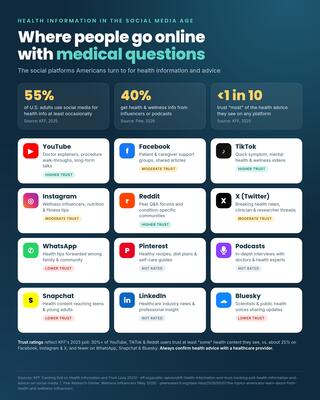
Welcome to PodcastDx, the show that helps you make sense of your health. I'm Jean Marie McNamara.  I'm joining you today with Lita Tomas, our Production Manager and of our co-hosts, Ron Rispoli (our t...

20 Okt 18min

Fatigue in Ehlers Danlos

Fatigue in Ehlers Danlos

Fatigue is more than feeling tired—for many people living with Ehlers-Danlos syndromes (EDS), it can mean overwhelming physical and mental exhaustion that affects even the simplest daily tasks. Chroni...

13 Okt 16min

Product Recalls (AGAIN!) and Your Health

Product Recalls (AGAIN!) and Your Health

This week we will discuss product recalls and your health.  According to WEBMD: A product safety recall happens when a consumer watch group or a manufacturer finds problems with a product. Lots of ite...

15 Sep 15min

Stage 4 Cancer as an ER Doc

Stage 4 Cancer as an ER Doc

Our guest today is a physician, author and activist.  The topic this week is "Stage 4 Cancer as an ER Doc".   Dr. James Maskalyk practices emergency medicine at St. Michael's, Toronto's inner-city tr...

8 Sep 1h 3min

Ai and Robotics in Medicine

Ai and Robotics in Medicine

This week on PodcastDX, Dr. Sanjeev Kumar joins Lita, Ron, and Jean Marie to discuss AI and robotics in medicine—from surgical robots and rehabilitation technology to hospital automation, patient safe...

1 Sep 47min

EECP The Most Underutilized Therapy in Medicine

EECP The Most Underutilized Therapy in Medicine

Retired U.S. Coast Guard Master Chief Petty Officer Jack Clifford joins PodcastDX to share how severe chronic angina once limited even everyday activities and left him facing the possibility of triple...

25 Aug 44min

Diary of An Epileptic

Diary of An Epileptic

In this episode of PodcastDX, we speak with Allany Muniz, founder of Diary of an Epileptic, about the realities of living with epilepsy beyond what most people see. Allany shares how her diagnosis cha...

18 Aug 28min

Populært innen Helse

fastlegen
rss-gukild-johaug
psykodrama
lydartikler-fra-aftenposten
fryktlos
hvordan-har-du-det-mann
leger-om-livet
relasjonspodden-med-dora-thorhallsdottir-kjersti-idem
rss-skravla-gar
foreldreradet
rss-ekteskapet
morten-ramm-lar-kakla-ga-til-du-sovner
klimaks
treningsprat
g-punktet
rss-kunsten-a-leve
rss-lopedrommen
rss-loping-for-nybegynnere
rss-kull
kjed-deg-i-sovn-verdens-kjedeligste-podcast