Ablation or Meds for AFIB
PodcastDX10 Des 2024

Ablation or Meds for AFIB

This week we will discuss possible treatment methods for AFIB.

Atrial fibrillation (AFib) is a common type of irregular heart rhythm (arrhythmia) that occurs when the upper chambers of the heart (atria) beat chaotically and out of sync with the lower chambers (ventricles). This can lead to a variety of symptoms, including:

  • Palpitations (a feeling of a racing or irregular heartbeat)

  • Fatigue

  • Shortness of breath

  • Dizziness or lightheadedness

  • Chest discomfort

AFib can increase the risk of blood clots, stroke, heart failure, and other heart-related complications.

Treatment Options for AFib

Management of AFib focuses on controlling the heart rate and rhythm, preventing blood clots, and addressing underlying conditions contributing to the arrhythmia. The choice of treatment depends on the individual's symptoms, overall health, and risk factors.

1. Medications

Medications are often the first line of treatment for AFib. These include:

  1. Rate-Control Medications

    • Aim to slow the heart rate to a normal range.

    • Common drugs: Beta-blockers (e.g., metoprolol), calcium channel blockers (e.g., diltiazem, verapamil), and digoxin.

  2. Rhythm-Control Medications

    • Help restore and maintain a normal heart rhythm.

    • Common drugs: Antiarrhythmics like amiodarone, flecainide, or sotalol.

  3. Anticoagulants (Blood Thinners)

    • Reduce the risk of stroke by preventing blood clots.

    • Examples: Warfarin, direct oral anticoagulants (DOACs) like apixaban (Eliquis) or rivaroxaban (Xarelto).

2. Ablation Therapy

Ablation is a minimally invasive procedure aimed at correcting the electrical signals causing AFib. It is typically recommended for individuals who:

  • Do not respond to or cannot tolerate medications.

  • Have recurrent or persistent AFib that significantly impacts quality of life.

Types of ablation:

  1. Catheter Ablation

    • Uses thin tubes (catheters) inserted into blood vessels to deliver energy (radiofrequency or cryotherapy) to destroy small areas of heart tissue causing abnormal electrical signals.

  2. Surgical Ablation (Maze Procedure)

    • Often performed during open-heart surgery for other conditions, creating scar tissue to block abnormal signals.

Both options have high success rates, but catheter ablation is more commonly performed due to its minimally invasive nature.

Choosing the Right Treatment

Deciding between medications or ablation depends on factors such as:

  • The severity and frequency of symptoms.

  • The presence of other medical conditions.

  • Patient preference and lifestyle.

Consultation with a cardiologist or electrophysiologist is crucial to tailor treatment to the individual's needs.

Denne episoden er hentet fra en åpen RSS-feed og er ikke publisert av Podme. Den kan derfor inneholde annonser.

Episoder(440)

EECP The Most Underutilized Therapy in Medicine

EECP The Most Underutilized Therapy in Medicine

Retired U.S. Coast Guard Master Chief Petty Officer Jack Clifford joins PodcastDX to share how severe chronic angina once limited even everyday activities and left him facing the possibility of triple...

25 Aug 44min
Diary of An Epileptic

Diary of An Epileptic

In this episode of PodcastDX, we speak with Allany Muniz, founder of Diary of an Epileptic, about the realities of living with epilepsy beyond what most people see. Allany shares how her diagnosis cha...

18 Aug 28min
Memory Villages

Memory Villages

Memory Villages explores the promise and the questions surrounding dementia villages—care communities designed to feel more like neighborhoods than institutions. We discuss how familiar surroundings, ...

11 Aug 17min

Ebola

Ebola

In this PodcastDX episode, Lita and Jean Marie unpack Ebola as a severe but not casually spread viral disease, explaining that infection requires direct contact with blood or other body fluids or cont...

4 Aug 23min
Sunscreen

Sunscreen

In this week's episode of PodcastDX, Lita and Jean Marie break down why sunscreen is about far more than avoiding a bad sunburn—it's everyday cancer prevention. They explain how UV damage happens whil...

28 Jul 17min
Vagus Nerve Reset

Vagus Nerve Reset

In this solo PodcastDX episode, Lita introduces the concept of the vagus nerve and explains why it has become such a focus in wellness, neurology, psychiatry, and online health spaces. She describes t...

21 Jul 17min
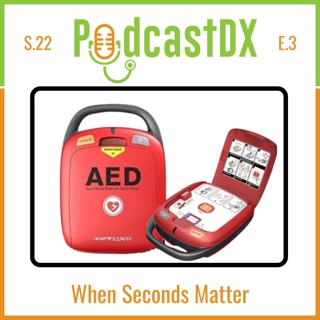
When Seconds Matter

When Seconds Matter

"When Seconds Matter" is a strong, urgent PodcastDX episode.  It is a personal story about emergency response and the critical minutes before help arrives. It's focused on recognizing danger early, ca...

14 Jul 14min
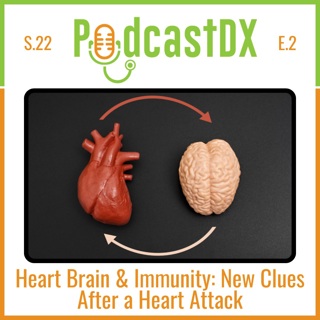
Heart, Brain & Immunity: New Clues After a Heart Attack

Heart, Brain & Immunity: New Clues After a Heart Attack

After a heart attack, the story doesn't end in the arteries. In this episode of PodcastDX, Lita and Jean Marie explore new science showing how the heart, brain, and immune system talk to each other du...

26 Mai 19min

Populært innen Helse

fastlegen
lydartikler-fra-aftenposten
rss-gukild-johaug
psykodrama
hvordan-har-du-det-mann
leger-om-livet
relasjonspodden-med-dora-thorhallsdottir-kjersti-idem
rss-skravla-gar
bak-fasaden-en-reise-i-livet-med-sykepleier-ine
rss-garne-damer
foreldreradet
morten-ramm-lar-kakla-ga-til-du-sovner
hjernesterk
rss-lopedrommen
klimaks
g-punktet
hormonelle-frida
kjed-deg-i-sovn-verdens-kjedeligste-podcast
treningsprat
sinnsyn