
Micron Technology: From Memory Commodity to AI Infrastructure Powerhouse
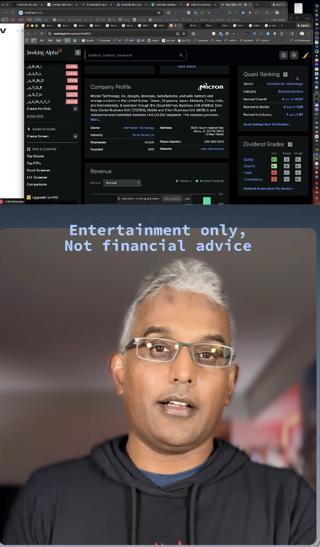
Micron Technology (NASDAQ: MU) is often described as a memory and storage company—but that label significantly understates what the company has become. While memory has historically been viewed as a commodity business, Micron’s recent performance and strategic positioning suggest a very different story.
18 Des 202528min

Can AI Save the Planet Without Burning It?
In this conversation, Josh Dorfman, CEO of Supercool, discusses the intersection of climate innovations and AI technologies. He explains the importance of understanding carbon emissions and the collective responsibility of individuals and nations in reducing them. The dialogue explores the hypocrisy often found in climate discussions, particularly regarding the balance between technological advancements and environmental impacts. Josh highlights the role of AI in enhancing energy efficiency and the future of renewable energy, while also addressing community concerns about data centers and their implications for local environments.
15 Des 20251h

The AI Cycle Wall Street Can’t Ignore
In this conversation, Krish Palaniappan discusses the risks associated with investments in the current market, particularly focusing on the potential for solid investments to weaken and the implications this could have on the broader ecosystem. He raises concerns about the expectations of the investment community and explores the use of AI tools to predict possible market scenarios based on these risks. Money flows in loops—NVIDIA funds companies that then buy NVIDIA GPUs—creating rapid growth but also heavy dependence. Recent volatility across major players shows how fragile this ecosystem is if any major link weakens.
25 Nov 202517min

The Hidden Cost of Young Adults’ Debt
In this podcast, Krish Palaniappan discusses the alarming levels of debt among young adults, particularly focusing on student loans and car loans. He reflects on the financial decisions made by this demographic, often influenced by societal expectations regarding education and career paths. The conversation emphasizes the importance of financial awareness and making informed decisions about borrowing, especially in relation to education and lifestyle choices. Krish advocates for a more cautious approach to debt and encourages listeners to consider the long-term implications of their financial choices.
25 Nov 202515min

70% Auto-Generated Code: The Future of Software Teams (feat. Clive Dsouza)
Clive Dsouza brings over 16 years of experience in IT, including significant contributions at major retail companies like Target and Lowe’s. He introduces the concept of real-time server-driven web components, highlighting the current landscape where most e-commerce sites, such as Amazon, utilize static components to display product recommendations. These static elements often fail to provide a personalized experience, displaying the same generic recommendations regardless of individual user behavior. This conversation explores the rapid evolution of technology and its profound impact on developers. It discusses the changing landscape of work in the tech industry, the importance of adapting to new tools, and the role of AI in development. The speakers emphasize the need for developers to embrace change and navigate job security concerns in a world where 70% of traditional roles may be replaced.
10 Nov 202537min

The New Normal: Data Breaches and Business Resilience (feat. Richa Kaul)
In this conversation, Richa Kaul, CEO of Complyance, discusses the importance of data privacy and compliance in today’s business landscape. She emphasizes the necessity of investing in proactive compliance to prevent future costs associated with data breaches and regulatory fines. The discussion also touches on the evolving perceptions of trust in the wake of frequent data breaches, the cultural shifts in consumer awareness regarding data privacy, and the role of technology in facilitating compliance management. Richa highlights the varying needs of businesses based on their size and industry, and the importance of integrating compliance into their operational frameworks. They discuss the complexities of integrating compliance into software development, the importance of practical approaches to information security, and the role of AI in modern workflows. They explore the challenges of maintaining compliance in diverse tech stacks, the need for custom compliance solutions, and the impact of AI on problem-solving skills in the workforce. The discussion also touches on essential skills for future professionals.
6 Nov 20251h 1min

Entrepreneurship: Lower Barriers in the AI Era (feat. Brian Samson)
In this episode of the Snowpal podcast, Krish Palaniappan speaks with Brian Samson, founder of Plugg Technologies, about the evolving landscape of remote work, particularly in the context of nearshoring and offshoring. Brian shares insights on the benefits of hiring talent from Latin America, the cultural nuances that affect remote collaboration, and the importance of a rigorous hiring process to mitigate risks associated with international hiring. The conversation delves into the value of talent beyond cost savings and the challenges faced when hiring from different countries. In this conversation, Brian Samson discusses the evolving landscape of hiring processes, the impact of AI on workforce dynamics, and the future of engineering and software development. He emphasizes the importance of rigorous hiring practices, the efficiencies brought by AI, and the changing composition of engineering teams. The discussion also touches on entrepreneurship in the age of AI, job security, and the need for professionals to adapt to rapid technological changes.
6 Nov 20251h 4min

AI, Stories, and the Future of Human Experience (feat. Andy Sitison)
In this episode, Krish Palaniappan speaks with Andy Sitison, CEO of ShareMoreStories, a technology expert focused on enhancing human experience through storytelling and AI. They discuss the importance of understanding human emotions in business, the process of collecting and analyzing stories, and the role of trust in obtaining authentic feedback. Andy shares real-world applications of his work, including projects with Virginia tourism and the YMCA, and emphasizes the need for organizations to engage with their communities. The conversation also touches on employee engagement, retention strategies, and the balance between art and science in data analysis. Andy concludes with advice for new graduates about the importance of community involvement and enjoying one's work.
17 Sep 202552min