
The hidden history behind Mount Rushmore
Mount Rushmore is one of the most iconic images in US history – but its story is far more complex and controversial than that of a simple sculpture. In this episode, historian Matthew Davis joins Elin...
4 Mar 40min
Juana Inés de la Cruz: life of the week
She led “a life that really, in many ways, shouldn't have been possible”. So says historian Paul Gillingham of Juana Inés de la Cruz. This 17th-century polymath and nun challenged a host of social con...
3 Mar 30min
The forgotten wars that redefined Europe
While the crusades raged across the Holy Land in the southern Levant, the kingdoms of central and northern Europe were engaged in their own battle to extend Christendom. Speaking to James Osborne, Ale...
2 Mar 42min
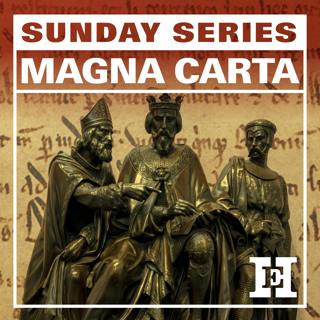
Does Magna Carta matter today?
Politicians invoke it, activists wield it, and legal thinkers debate what it can offer the modern world. But what does Magna Carta really mean today? In this fourth and final episode of HistoryExtra's...
1 Mar 38min
Slavery in the Islamic world
Slavery in the Islamic world has a diverse and controversial history. Speaking to Emily Briffett, historian and journalist Justin Marozzi explores some of the stories at the heart of his latest book C...
27 Feb 50min
The real women behind Europe's greatest legends
National icons aren’t born – they’re engineered. But how were historical figures such as Joan of Arc and Isabella of Castile transformed into political symbols, their real lives lost beneath centuries...
25 Feb 36min
Thomas Edison: life of the week
Widely remembered as the ultimate American inventor, Edison’s greatest talent may have been for self-promotion. In this episode, historian Iwan Morus speaks to Elinor Evans about how Edison built a br...
24 Feb 34min
Following the footsteps of a WW2 prisoner of war
Captured in Libya, imprisoned in Italy, and twice an escapee: historian Malcolm Gaskill's great-uncle Ralph's experiences of the Second World War were certainly dramatic. Yet he left behind little mor...
23 Feb 43min