


Winning the Battle Against Yourself
Many of us have been raised to believe that if we want to get something done, we just need to set our minds to it. Where there's a will, there's a way, right? Yet somehow we end up polishing off that ...
8 Sep 202552min

Escaping Perfectionism
Perfectionism is everyone’s favorite flaw. It’s easy to assume that our push to be perfect is what leads to academic, athletic, and professional success. But how do we distinguish between high standar...
1 Sep 20251h 37min
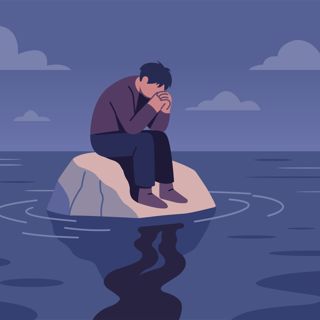
The Trauma Script
When tragedy strikes, it’s natural to be devastated. But psychologist George Bonanno finds that many of us recover from life’s blows more quickly than we might expect. This week, we talk with Bonanno ...
25 Aug 202550min

How Our Brains Learn
Have you ever fallen asleep in school or during a work meeting? Maybe you felt your eyes glaze over as your boss or a teacher droned on and on about a topic that had no relevance to you. What's missin...
18 Aug 20251h 22min

The Best Years of Your Life
Aging isn’t just a biological process. Our outlooks and emotions also change as we age, often in ways that boost our well-being. This week, we revisit a favorite conversation with psychologist Laura C...
11 Aug 20251h 19min

Radical Kindness
Why do some people risk their own lives to help another person, or give away their fortunes for the benefit of strangers? This week, we talk with psychologist and neuroscientist Abigail Marsh, who stu...
4 Aug 20251h 4min
You 2.0: Change Your Story, Change Your Life
We all tell stories about ourselves, often without realizing we’re doing so. How we frame those stories can profoundly shape our lives. In our latest You 2.0 episode, we bring you a favorite conversat...
28 Jul 20251h 17min
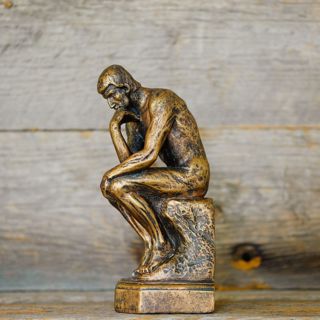
You 2.0: The Wisdom of Stoicism
What does it mean to be stoic? Many of us assume it means you have a stiff upper lip, or that you suppress your emotions. That's what Massimo Pigliucci thought — until he started to peruse a book call...
21 Jul 202550min