Body Temperature, COVID Vaccines, Dog Genomics. Nov 13, 2020, Part 2
Science Friday13 Nov 2020

Body Temperature, COVID Vaccines, Dog Genomics. Nov 13, 2020, Part 2

Our Average Body Temperature Is Getting Cooler

We’ve all been getting our temperature checked on the regular these days. Most restaurants and businesses have been scanning peoples’ foreheads with thermometer guns to check for signs of fever as a safety precaution for COVID-19. We’ve been told that our temperature should be around 98.6 degrees Fahrenheit (or 37 degrees Celsius), the “normal” human body temperature. The value was set over 150 years ago by the German physician Carl Reinhold August Wunderlich. But 98.6 degrees may no longer be the golden standard.

In several studies, researchers have found that the average human body temperature may be lowering. Producer Alexa Lim talks with infectious disease specialist Julie Parsonnet about what temperature can tell us about our body and overall human health.

Fact Check My Feed: How Excited Should You Be About COVID-19 Vaccines?

As COVID-19 cases and hospitalizations set new records, worse than even the initial surge this spring, there was one piece of promising pandemic news this week: a press release from the pharmaceutical company Pfizer, one of several racing toward developing a vaccine.

Pfizer, working with German company BioNTech, announced Monday that their vaccine candidate, which uses a new technology involving mRNA, had reached an efficacy of 90 percent based on interim data. Trial participants were either given the vaccine or a placebo. Enough of the participants in the placebo group have since gone on to get COVID-19 to offer clues to its success: These rates suggest that nine out of 10 people who receive the vaccine will be protected from symptoms of disease.

But, as many have pointed out, Pfizer’s optimistic claims did not come with any release of data to back them up—nor an understanding of whether the most vulnerable would receive the same level of protection. Furthermore, this is only an interim analysis, meaning there’s more the company still has to learn before settling on a final efficacy number.

There are many questions yet to answer: For example, the process of understanding a vaccine’s safety takes much longer, and more people, than any trial period can fully assess. And even if Pfizer’s vaccine is approved by the U.S. Food and Drug Administration, how will a vaccine that requires two doses and expensive deep-freeze storage be distributed to all the people who need it?

Other vaccine candidates are also moving quickly. Another mRNA vaccine maker, Moderna, also indicated this week by press release that they will have their own interim analysis ready soon.

Ira fact—and reality—checks the latest news on COVID-19 vaccine trials with virologist Angela Rasmussen and biostatistician Natalie Dean.

How To Decode Your Dog’s DNA

While we have been sitting at home for months, some of you have been spending a lot more time with your pets. You might stare at your dog and wonder: What exactly is your breed? Well, some people have been taking the extra step in finding out more about their furry quarantine companion—by getting a dog DNA test.

Producer Katie Feather talks with pet genomics experts (yes, they exist!) about what you can and can’t learn from these direct-to-consumer genetics tests for dogs. They also discuss a citizen science project that studies connections between your pup’s genes and their behavior.

Subscribe to this podcast. Follow our show on Instagram, TikTok, Facebook, and Bluesky @scifri and sign up for our newsletters. Got a science question that’s keeping you up at night? Call us: 877-472-4374


Hosted by Simplecast, an AdsWizz company. See pcm.adswizz.com for information about our collection and use of personal data for advertising.

Denne episoden er hentet fra en åpen RSS-feed og er ikke publisert av Podme. Den kan derfor inneholde annonser.

Episoder(1381)

What can moments of lucidity teach us about Alzheimer’s?

What can moments of lucidity teach us about Alzheimer’s?

Watching a loved one with Alzheimer's or dementia slowly lose their cognitive abilities can be heartbreaking. While the person you once knew seems to be slipping away, sometimes people with Alzheimer'...

18 Aug 17min

Colorado’s snow drought deals a major blow to recreation

Colorado’s snow drought deals a major blow to recreation

Winter in Colorado looked very different this year. Many parts of the state experienced record-high temperatures and record-low snowpack, which had downstream effects on farming, sports, tourism, and ...

17 Aug 11min

How do you find a ‘lost’ species?

How do you find a ‘lost’ species?

The earth is facing a biodiversity crisis, and there’s a lot of attention on species that are threatened, or at risk of dying out completely. But, there’s another critter category that’s a little more...

14 Aug 18min

What we get wrong about vaccine hesitancy

What we get wrong about vaccine hesitancy

President Trump has signed an executive order calling for a change to the childhood vaccination schedule. Specifically, he wants to separate the MMR vaccine, which protects against measles, mumps, and...

13 Aug 12min

Why this lab studies the speed of bug pee and other curiosities

Why this lab studies the speed of bug pee and other curiosities

In a lab in the Rocky Mountains, a group of scientists is hard at work trying to find answers across biology, physics, and engineering: They’re looking into things like the hydrodynamics of insect pee...

12 Aug 18min

Some primates undergo even more extreme childbirth than humans

Some primates undergo even more extreme childbirth than humans

Human childbirth is often difficult and incredibly painful—just ask anyone who’s been through it. And for a long time, childbirth seemed to be uniquely difficult for humans. But a new study suggests t...

11 Aug 11min
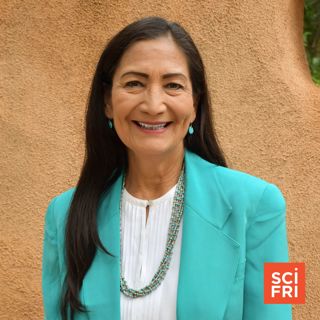
Deb Haaland is a politician, and proud of it

Deb Haaland is a politician, and proud of it

Former Interior Secretary Deb Haaland, a member of the Laguna Pueblo tribe, was the first Native person to hold a cabinet position. Now she’s running to be governor of New Mexico.  Haaland joins Host ...

10 Aug 17min

Sitting all day is terrible for us. Moving a little can help

Sitting all day is terrible for us. Moving a little can help

Keeping your butt in a seat for hours a day increases the risk of heart attacks, diabetes, psychiatric conditions, and more. But in our tech-filled world, many of us lead sedentary lives, whether beca...

7 Aug 18min

Populært innen Vitenskap

fastlegen
tingenes-tilstand
rss-nysgjerrige-norge
romkapsel
liberal-halvtime
rekommandert
jss
villmarksliv
dekodet-2
tomprat-med-gunnar-tjomlid
rss-paradigmepodden
vett-og-vitenskap-med-gaute-einevoll
fjellsportpodden
abels-tarn
sinnsyn
rss-rekommandert
rss-overskuddsliv
diagnose
nordnorsk-historie
rss-inn-til-kjernen-med-sunniva-rose