NFTs and Art, Neuralink, Preserving Endangered Foods. May 14, 2021, Part 2
Science Friday14 Mai 2021

NFTs and Art, Neuralink, Preserving Endangered Foods. May 14, 2021, Part 2

What’s Behind The Blockchain-Based Art Boom?

From multi-million dollar art sales to short NBA video clips, non-fungible tokens have taken off as a way to license media in the digital realm. The blockchain-based tokens, which function as a certificate of ownership for purchasers, produce a dramatic amount of carbon emissions and aren’t actually new—but in the first quarter of 2021, buyers spent $2 billion dollars purchasing NFTs on online marketplaces. Writers, musicians, and artists are all now experimenting with them, and big brands are also jumping on the bandwagon.

Ira talks to Decrypt Media editor-in-chief Dan Roberts, and LA-based artist Vakseen about the appeal, and how NFTs are bringing new audiences both to the blockchain economy, and artists themselves.

How Novel Is Neuralink?

Last month, the company Neuralink, co-founded by Elon Musk, released a video update of their technology. The company makes brain-computer interfaces, or BCIs—implants in the brain that detect signals and send them to a computer. In the video, a macaque named Pager sits in front of a screen, while a narrator explains Pager had two Neuralinks implanted in both sides of his brain six weeks before.

Pager is playing Pong. Not with a joystick or controller, but with his brain, according to the narrator. As with any Elon Musk venture, this Neuralink video got a lot of buzz. But brain-computer interfaces themselves are not a new concept. Where does this fit into the realm of neurotechnology research?

Joining Ira to talk about this Neuralink update is Dr. Paul Nuyujukian, director of Stanford University’s Brain Interfacing Laboratory in Palo Alto, California. Ira also turns to Nathan Copeland, a neurotechnology consultant and brain-computer interface participant in Pittsburgh, Pennsylvania. Six years ago, Copeland had four BCI devices implanted, and is one of just a handful of people to have BCI implants in his brain.

Decolonizing And Diversifying The Future Of Food

The Science Friday Book Club has been talking about food all spring while reading Lost Feast: Culinary Extinction and the Future of Food. We discussed the impacts of meat consumption, the extinction of beloved birds and plants, and the declining variety of fruit and vegetable varieties available in stores—and even about the flow of pollinator-produced crops in global food systems.

Producer Christie Taylor shares highlights from our off-radio Zoom event series, which asked, “What is the future of food, and who can help influence it for the better?”

At this April 20th panel, Lost Feast author and food geographer Lenore Newman joined farmer and former chef Mimi Edelman to talk about the future of food and flavor—from preserving heirloom seeds to the stories behind beloved flavors, and how policy changes and individual actions might contribute to a sustainable future.

At this May 4th panel, food researchers Katie Kamelamela, Noa Kekuewa Lincoln, and Melissa K. Nelson talked about their work researching and restoring Indigenous foods to Hawaii and the mainland United States. They explained how these foods were disrupted by colonization, and how food relationships fit into a future vision of sustainable food worldwide.

Subscribe to this podcast. Follow our show on Instagram, TikTok, Facebook, and Bluesky @scifri and sign up for our newsletters. Got a science question that’s keeping you up at night? Call us: 877-472-4374


Hosted by Simplecast, an AdsWizz company. See pcm.adswizz.com for information about our collection and use of personal data for advertising.

Denne episoden er hentet fra en åpen RSS-feed og er ikke publisert av Podme. Den kan derfor inneholde annonser.

Episoder(1381)

What can moments of lucidity teach us about Alzheimer’s?

What can moments of lucidity teach us about Alzheimer’s?

Watching a loved one with Alzheimer's or dementia slowly lose their cognitive abilities can be heartbreaking. While the person you once knew seems to be slipping away, sometimes people with Alzheimer'...

18 Aug 17min

Colorado’s snow drought deals a major blow to recreation

Colorado’s snow drought deals a major blow to recreation

Winter in Colorado looked very different this year. Many parts of the state experienced record-high temperatures and record-low snowpack, which had downstream effects on farming, sports, tourism, and ...

17 Aug 11min

How do you find a ‘lost’ species?

How do you find a ‘lost’ species?

The earth is facing a biodiversity crisis, and there’s a lot of attention on species that are threatened, or at risk of dying out completely. But, there’s another critter category that’s a little more...

14 Aug 18min

What we get wrong about vaccine hesitancy

What we get wrong about vaccine hesitancy

President Trump has signed an executive order calling for a change to the childhood vaccination schedule. Specifically, he wants to separate the MMR vaccine, which protects against measles, mumps, and...

13 Aug 12min

Why this lab studies the speed of bug pee and other curiosities

Why this lab studies the speed of bug pee and other curiosities

In a lab in the Rocky Mountains, a group of scientists is hard at work trying to find answers across biology, physics, and engineering: They’re looking into things like the hydrodynamics of insect pee...

12 Aug 18min
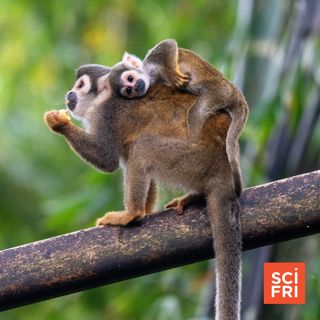
Some primates undergo even more extreme childbirth than humans

Some primates undergo even more extreme childbirth than humans

Human childbirth is often difficult and incredibly painful—just ask anyone who’s been through it. And for a long time, childbirth seemed to be uniquely difficult for humans. But a new study suggests t...

11 Aug 11min
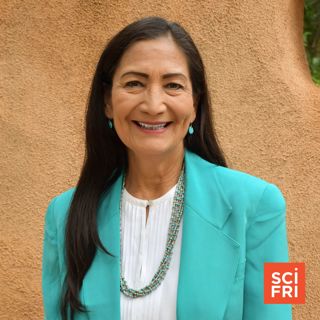
Deb Haaland is a politician, and proud of it

Deb Haaland is a politician, and proud of it

Former Interior Secretary Deb Haaland, a member of the Laguna Pueblo tribe, was the first Native person to hold a cabinet position. Now she’s running to be governor of New Mexico.  Haaland joins Host ...

10 Aug 17min
Sitting all day is terrible for us. Moving a little can help

Sitting all day is terrible for us. Moving a little can help

Keeping your butt in a seat for hours a day increases the risk of heart attacks, diabetes, psychiatric conditions, and more. But in our tech-filled world, many of us lead sedentary lives, whether beca...

7 Aug 18min

Populært innen Vitenskap

fastlegen
tingenes-tilstand
rss-nysgjerrige-norge
romkapsel
jss
villmarksliv
rekommandert
liberal-halvtime
rss-paradigmepodden
tomprat-med-gunnar-tjomlid
dekodet-2
sinnsyn
fjellsportpodden
vett-og-vitenskap-med-gaute-einevoll
abels-tarn
rss-rekommandert
rss-overskuddsliv
diagnose
nordnorsk-historie
rss-lundqvist-podden