
Did WSU Miss the Bryan Kohberger Red Flags? Ret FBI Robin Dreeke Explains
Tonight on Hidden Killers Live, we’re cutting straight through the fog that has surrounded Washington State University’s handling of Bryan Kohberger’s behavioral complaints — and we’re doing it with retired FBI Special Agent Robin Dreeke, one of the most respected behavioral experts in the country.This isn’t about blaming people who didn’t have a crystal ball. This is about understanding what behavioral red flags actually are. Before a single crime is committed, before there’s a police report, before anyone can articulate what’s wrong — humans pick up patterns. They feel unsafe. They sense boundary-violating behavior. They feel instincts firing long before the conscious mind can put language to it. And that’s not “overreacting.” It’s evolution.WSU had multiple complaints, private warnings between women, faculty concerns, documentation, meetings, and a mandatory behavioral intervention. Yet the university treated it all like an HR issue instead of a threat-assessment problem. Tonight, Robin breaks down why that distinction matters — and how institutions all over the country make this same mistake.We explore why academia is uniquely vulnerable to minimizing threat indicators, why “but he’s never been violent” is a meaningless metric when evaluating patterned behavior, and why institutions often freeze instead of act. Stacy brings in insights from The Gift of Fear, examining the neuroscience behind the “gut feeling” that so many women reported.And then we tackle the paradox: how do you protect a community when the person at the center hasn’t committed a crime? Where’s the line between rights and risk? And what should universities be trained to recognize that they currently aren’t?This is one of the most important conversations we’ve had — not about predicting crime, but about seeing what institutions are terrified to acknowledge.Subscribe for more deep-dive analysis — only on Hidden Killers.#HiddenKillers #RobinDreeke #WSU #BryanKohberger #BehavioralAnalysis #ThreatAssessment #CampusSafety #TrueCrimeLive #TonyBrueski #RedFlagsWant to comment and watch this podcast as a video?Check out our YouTube Channel. https://www.youtube.com/@hiddenkillerspodInstagram https://www.instagram.com/hiddenkillerspod/Facebook https://www.facebook.com/hiddenkillerspod/Tik-Tok https://www.tiktok.com/@hiddenkillerspodX Twitter https://x.com/tonybpodListen Ad-Free On Apple Podcasts Here: https://podcasts.apple.com/us/podcast/true-crime-today-premium-plus-ad-free-advance-episode/id1705422872
24 Nov 202524min
Inside Stephen Smith’s Death — Beyond the Murdaugh Rumors
The death of 19-year-old nursing student Stephen Smith has haunted South Carolina for nearly a decade — but with new national attention from the Hulu Murdaugh series, the truth about what happened to him is finally back in the spotlight. In tonight’s Hidden Killers deep-dive, Tony Brueski breaks down the real story behind the case: the strange crime scene, the contradictions in early investigative reports, the forensic inconsistencies that never should’ve been ignored, and the long-buried leads that investigators are only now pursuing. We walk through Stephen’s final night, the discovery of his body on a remote rural road, and the major red flags that made troopers question the hit-and-run narrative from day one. We also address — directly and responsibly — the long-circulating rumors involving the Murdaugh name, explaining what was speculation, what investigators actually found, and why SLED says there is no evidence tying the family to Stephen’s death. More importantly, we highlight the real investigative leads resurfacing today: individuals who made suspicious statements in 2015, inconsistencies in witness accounts, and the newly reclassified finding that Stephen’s death was a homicide, not an accident. With a grand jury working behind the scenes and national pressure mounting, the case is closer to answers than it has ever been. Stephen Smith was more than a rumor in a small Southern county. He was a son, a brother, a friend — a teenager with dreams of becoming a nurse — and someone out there knows exactly what happened to him. If you’re here for real reporting, grounded analysis, and a breakdown that cuts through the noise, you’re in the right place. Subscribe for continuing coverage of the Stephen Smith investigation, Murdaugh updates, and the biggest cases shaping the true-crime world today. #StephenSmith #MurdaughCase #TrueCrime #HiddenKillers #JusticeForStephen #SouthCarolinaCrime #ColdCase #Investigation #TonyBrueski #TrueCrimeCommunity Want to comment and watch this podcast as a video? Check out our YouTube Channel. https://www.youtube.com/@hiddenkillerspod Instagram https://www.instagram.com/hiddenkillerspod/ Facebook https://www.facebook.com/hiddenkillerspod/ Tik-Tok https://www.tiktok.com/@hiddenkillerspod X Twitter https://x.com/tonybpod Listen Ad-Free On Apple Podcasts Here: https://podcasts.apple.com/us/podcast/true-crime-today-premium-plus-ad-free-advance-episode/id1705422872
24 Nov 202515min

Why Institutions Freeze — Ret FBI Robin Dreeke on Bryan Kohberger's WSU Red Flags
Tonight on Hidden Killers Live, we’re taking on the uncomfortable truth institutions hate facing: sometimes the danger is right in front of them, but the structure, culture, and psychology of the environment keep anyone from calling it what it is. Retired FBI Special Agent Robin Dreeke joins us to break down how those blind spots cost Washington State University crucial opportunities to intervene. This episode digs into the behavioral complaints that circulated inside WSU long before any crime occurred: the staring, the hovering, the boundary-breaking, the fear expressed by women in the department. These weren’t isolated incidents. They were a pattern. And patterns matter. Robin explains why institutions tend to frame patterned discomfort as a paperwork problem instead of a risk-behavior problem — and why that distinction is everything. Graduate programs rely heavily on autonomy, hierarchy, and informal power dynamics. When the person generating concern holds influence over students, especially women, the risk isn’t hypothetical. It’s structural. We examine why institutions minimize threat signals: fear of liability, fear of mislabeling someone, fear of overreacting, fear of confronting what they don’t want to acknowledge. Stacy joins with psychological insight into why women's instincts responded before anyone had the “official language” to describe what was wrong. Then we explore what was missing at WSU — not actions, but training. Why were faculty unprepared to identify patterned risk? Why did warnings get siloed instead of escalated? Why did a mandatory meeting produce no meaningful change? And what could have been done differently from the moment the first complaints surfaced? This isn’t about hindsight. It’s about understanding systemic blind spots so they aren’t repeated. For anyone trying to understand the line between unusual behavior and genuine threat, this conversation is a must-watch. #HiddenKillers #WSU #RobinDreeke #ThreatAssessment #CampusWarnings #BehavioralPatterns #TrueCrimeLivestream #TonyBrueski #RedFlags #InstitutionalFailure Want to comment and watch this podcast as a video? Check out our YouTube Channel. https://www.youtube.com/@hiddenkillerspod Instagram https://www.instagram.com/hiddenkillerspod/ Facebook https://www.facebook.com/hiddenkillerspod/ Tik-Tok https://www.tiktok.com/@hiddenkillerspod X Twitter https://x.com/tonybpod Listen Ad-Free On Apple Podcasts Here: https://podcasts.apple.com/us/podcast/true-crime-today-premium-plus-ad-free-advance-episode/id1705422872
24 Nov 202549min
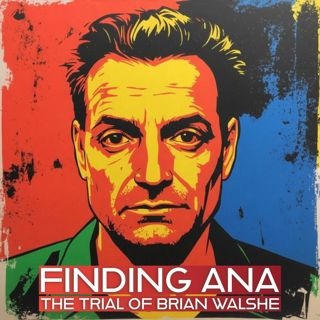
What’s Left of Brian Walshe’s Defense After His Bombshell Plea-WEEK IN REVIEW
Brian Walshe’s courtroom strategy just blew apart. When he stood in front of a judge and admitted — in his own voice — that he willfully conveyed Ana Walshe’s remains and misled investigators, he didn’t just plead guilty to two charges. He detonated the core of the defense narrative he’s been hiding behind for nearly two years. Now he’s walking into a murder trial without the one thing most defendants in no-body cases cling to: deniability. In this episode of Hidden Killers, we break down exactly how this guilty plea changes the entire trajectory of the trial and what it leaves his defense team scrambling to do next. Because once you admit that you touched the remains, once you admit you interfered with the investigation, once you admit you contributed to evidence being destroyed, you’re no longer arguing about whether you were involved. You’re arguing about how deep that involvement goes. So what does Brian Walshe have left? What does a defense look like when you’ve already admitted to actions that most jurors see as the behavior of someone with something enormous to hide? We examine the only narrative his team has left: the idea that Ana’s death was not murder, that something happened suddenly or unexpectedly, and that Brian spiraled into panic and made disastrous choices afterward. It’s a narrow road — one that has to compete with a mountain of digital searches, forensic findings, surveillance footage, and behavior prosecutors say lay out a chilling timeline. This episode digs into the strategies the defense is likely to deploy, how they’ll try to reinterpret the incriminating searches, how they’ll frame his mental state, and why they may try to turn the guilty plea itself into proof of honesty rather than guilt. With the trial about to begin, and with 70 potential jurors being questioned, this case is entering a new phase — one where the stakes for Brian Walshe couldn’t be higher, and his room to maneuver couldn’t be smaller. Subscribe for daily trial coverage, expert analysis, and every major update as it happens. #BrianWalshe #AnaWalshe #HiddenKillers #TrueCrimeToday #TrueCrimeUpdates #CourtCase #TrialCoverage #JusticeSystem #LegalAnalysis #TrueCrimeCommunity Want to comment and watch this podcast as a video? Check out our YouTube Channel. https://www.youtube.com/@hiddenkillerspod Instagram https://www.instagram.com/hiddenkillerspod/ Facebook https://www.facebook.com/hiddenkillerspod/ Tik-Tok https://www.tiktok.com/@hiddenkillerspod X Twitter https://x.com/tonybpod Listen Ad-Free On Apple Podcasts Here: https://podcasts.apple.com/us/podcast/true-crime-today-premium-plus-ad-free-advance-episode/id1705422872
24 Nov 202513min