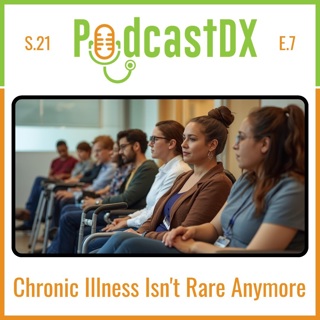

Chronic Illness Isn't Rare Anymore: Why The System Is Trying To Catch-up
PodcastDX3 Feb

Chronic Illness Isn't Rare Anymore: Why The System Is Trying To Catch-up

Chronic illness is now the norm, not the exception, and our healthcare system is scrambling to keep up.

​In this episode, "Chronic Illness Isn't Rare Anymore: Why The System Is Trying To Catch Up," we dig into why so many adults are living with at least one chronic condition, how the current system was built for short-term, acute care, and what that mismatch means for people trying to manage complex, lifelong diagnoses. We talk about the hidden costs of navigating appointments, medications, insurance, and burnout, and explore what needs to change—from prevention and policy to care teams and patient advocacy—to actually support those living with chronic illness today.

​Chronic illness is no longer a rare, edge-case scenario; it is now a majority experience in the United States, with approximately 76% of adults living with at least one chronic condition. As of 2025, over half of U.S. adults suffer from two or more, making these conditions the primary driver of the nation's $4.5 trillion healthcare spending.

​The healthcare system is rushing to "catch up" because the traditional model—designed for acute, short-term care—is failing to handle the, persistent, long-term, and complex needs of a majority-chronically-ill population.

The New Reality: Why Chronic Illness is Everywhere

​Chronic diseases like heart disease, diabetes, obesity, and autoimmune disorders have reached epidemic levels due to a combination of factors, according to the Centers for Disease Control and Prevention (CDC) and other experts:

  • Aging Population: The number of Americans over 65 is growing rapidly, with over 58 million in this group, expected to increase significantly.

  • Lifestyle & Environment: Poor nutrition, physical inactivity, tobacco use, and excessive alcohol consumption are driving the increase.

  • Systemic Factors: Environmental exposures to toxins, chemicals in food, and stress from modern living contribute to high prevalence.

  • Rising Youth Rates: The prevalence of conditions like obesity and depression has increased among young adults.

​​

Why the System is "Catching Up"

​The system is undergoing a massive shift from "reactive" to "proactive" care, driven by necessity rather than choice.

  • The Financial Crisis: Chronic disease management accounts for nearly 90% of U.S. healthcare spending. If left unchecked, these costs could drive the healthcare system to collapse, making cost reduction for chronic conditions a top priority for 2025.

  • Ineffectiveness of Old Models: The "fee-for-service" model, which pays for volume, is being replaced by "value-based" care, focusing on results and preventing readmissions.

  • Integration of Technology: To manage the scale, the system is leveraging artificial intelligence (AI), telehealth, and remote monitoring to keep patients with chronic conditions at home and out of the hospital.

  • Focus on Root Causes: There is a move away from just managing symptoms to addressing root causes, such as nutrition, social determinants of health (housing, income), and reducing systemic inflammation.

Key Changes in the "Catching Up" Process

​Redesigning Care: Moving toward "patient-centered" care, which focuses on empowering individuals to manage their own illnesses and providing more comprehensive support, rather than just treating symptoms as they appear.

  1. Addressing Social Determinants: Recognizing that where people live, work, and age impacts their health, systems are expanding beyond the clinic to address food insecurity and safe spaces for exercise.

  2. Preventive & Early Care: Increased focus on intervening early, especially in underserved, low-income, and marginalized communities that bear a disproportionate burden of disease.

  3. Workplace Wellness: Companies are investing in preventative care, such as on-site health assessments and mental health support, to reduce the impact of chronic illness on productivity.

​The shift from acute to chronic disease as the leading cause of death is forcing a comprehensive reinvention of the US health system.

Det här avsnittet är hämtat från ett öppet RSS-flöde och publiceras inte av Podme. Det kan innehålla reklam.

Avsnitt(440)

EECP The Most Underutilized Therapy in Medicine

EECP The Most Underutilized Therapy in Medicine

Retired U.S. Coast Guard Master Chief Petty Officer Jack Clifford joins PodcastDX to share how severe chronic angina once limited even everyday activities and left him facing the possibility of triple...

25 Aug 44min

Diary of An Epileptic

Diary of An Epileptic

In this episode of PodcastDX, we speak with Allany Muniz, founder of Diary of an Epileptic, about the realities of living with epilepsy beyond what most people see. Allany shares how her diagnosis cha...

18 Aug 28min

Memory Villages

Memory Villages

Memory Villages explores the promise and the questions surrounding dementia villages—care communities designed to feel more like neighborhoods than institutions. We discuss how familiar surroundings, ...

11 Aug 17min

Ebola

Ebola

In this PodcastDX episode, Lita and Jean Marie unpack Ebola as a severe but not casually spread viral disease, explaining that infection requires direct contact with blood or other body fluids or cont...

4 Aug 23min

Sunscreen

Sunscreen

In this week's episode of PodcastDX, Lita and Jean Marie break down why sunscreen is about far more than avoiding a bad sunburn—it's everyday cancer prevention. They explain how UV damage happens whil...

28 Juli 17min
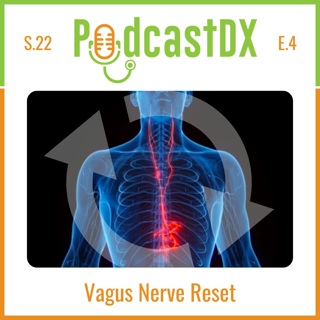
Vagus Nerve Reset

Vagus Nerve Reset

In this solo PodcastDX episode, Lita introduces the concept of the vagus nerve and explains why it has become such a focus in wellness, neurology, psychiatry, and online health spaces. She describes t...

21 Juli 17min

When Seconds Matter

When Seconds Matter

"When Seconds Matter" is a strong, urgent PodcastDX episode.  It is a personal story about emergency response and the critical minutes before help arrives. It's focused on recognizing danger early, ca...

14 Juli 14min
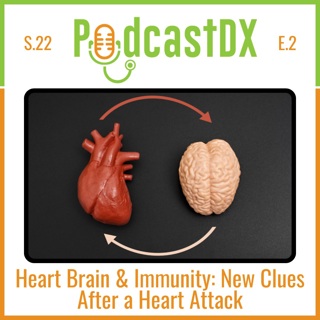
Heart, Brain & Immunity: New Clues After a Heart Attack

Heart, Brain & Immunity: New Clues After a Heart Attack

After a heart attack, the story doesn't end in the arteries. In this episode of PodcastDX, Lita and Jean Marie explore new science showing how the heart, brain, and immune system talk to each other du...

26 Maj 19min

Populärt inom Hälsa

somna-med-henrik
rss-jossan-nina
rss-bara-en-till-om-beroende-medberoende
bullfika
inga-beiga-morsor
rss-vuxna-pa-latsas
not-fanny-anymore
rss-viktmedicinpodden
angestpodden
sexnoveller-deluxe
johannes-hansen-podcast
rss-hos-psykologen
sa-in-i-sjalen
rss-basta-livet
sova-med-dan-horning
tyngre-traningssnack
halsoveckan-by-tyngre
rss-autismandan
rss-angra-inget-3
brottarbroder